

If you’ve been searching for practical tips on how to deal with fungal acne, you’re not alone. This skin condition often gets confused with regular pimples, which makes people reach for the wrong treatments. Fungal acne, also known as Malassezia folliculitis, isn’t caused by bacteria, it’s triggered by yeast overgrowth on the skin.
In Nigeria’s hot and humid climate, fungal acne tends to thrive. If you sweat often, work out regularly, or use heavy creams that clog pores, you might be struggling with it without even realising. That’s why learning how to deal with fungal acne isn’t about reaching for the harshest product on the shelf, it’s about balancing yeast control with skin barrier protection.
Understanding what fungal acne is
At first glance, fungal acne looks like regular acne, tiny bumps, sometimes itchy, often red. But the difference is clear: all the bumps are the same size, there are no blackheads or whiteheads, and instead of pain, there’s usually an annoying itch.
Many people waste months trying benzoyl peroxide or antibiotics. Unfortunately, these won’t work because they target bacteria, not yeast. In fact, heavy creams or oils can make things worse by feeding yeast growth. Recognising these signs is the first step in knowing how to deal with fungal acne.
Why fungal acne happens
The yeast behind fungal acne lives naturally on the skin. Problems start when it grows uncontrollably due to:
- Excessive sweating without cleansing afterward
- Wearing tight, synthetic fabrics that trap heat
- Using rich, oil-based products that feed yeast
- Taking antibiotics that upset your skin’s natural balance
Spotting these triggers makes it easier to figure out how to deal with fungal acne before it gets worse.
Building a gentle but effective treatment plan
Your skin barrier is like a protective wall. When it’s weakened, your skin becomes more prone to redness, dryness, and breakouts. The secret to how to deal with fungal acne lies in treating yeast without damaging this protective barrier.
Here are a few barrier-friendly steps:
- Stick to a simple routine – Overloading your skin with too many products can backfire. Focus on cleansing, treating, and moisturising.
- Avoid yeast-feeding oils – Skip coconut oil, olive oil, or argan oil. Go for lighter options like glycerin-based moisturisers.
- Cleanse after sweating – After a workout or long day in traffic, showering promptly can help.
- Exfoliate mindfully – Salicylic acid or azelaic acid can help with pore congestion, but use them moderately to avoid barrier damage.
Recommended products from Perona Beauty Store
If you’re working on how to deal with fungal acne, you’ll find barrier-friendly products at Perona Beauty Store that support clear skin while keeping your routine simple:
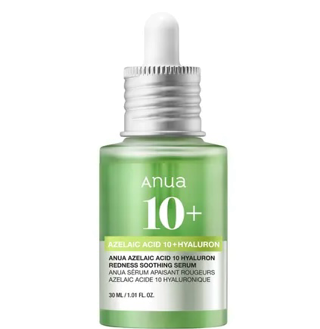
Targeted Serum
Anua Azelaic Acid 10% + Hyaluron Redness Soothing Serum – 30ml
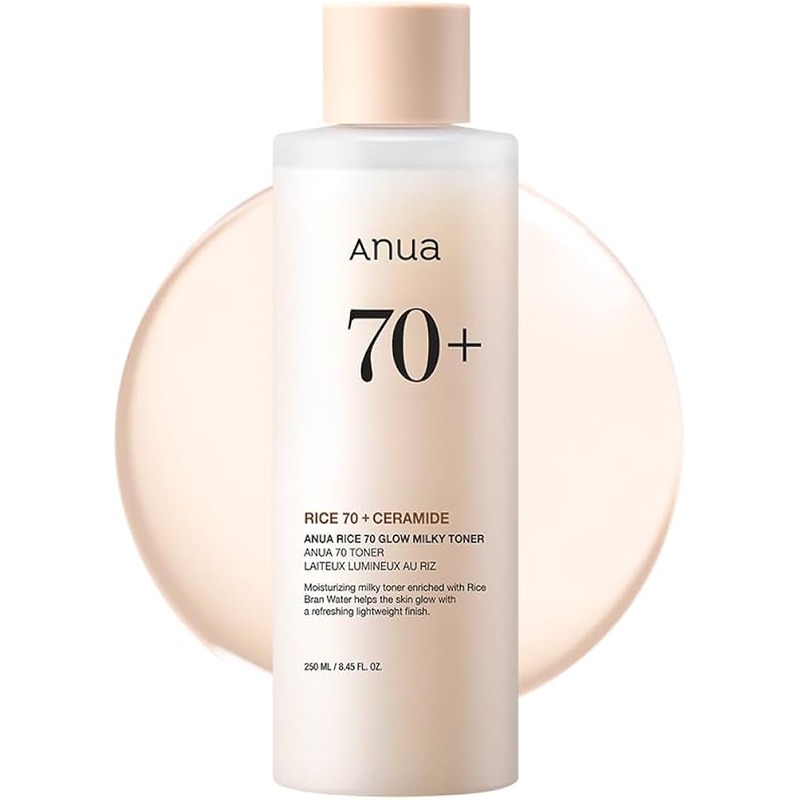
Hydration
Anua Rice 70 Glow Milky Toner | 250ml
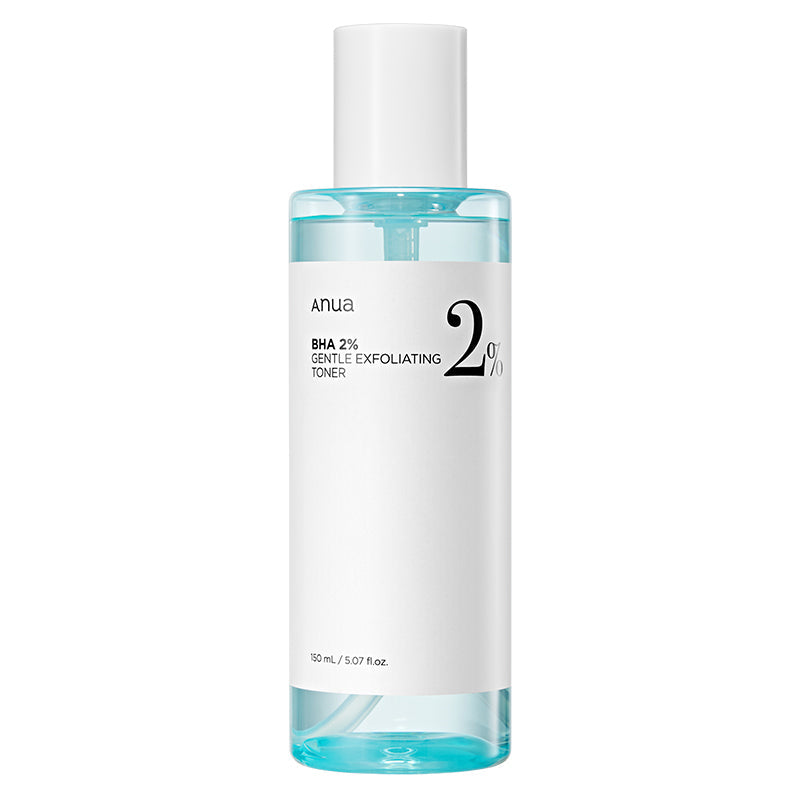
Exfoliant
Anua BHA 2% Gentle Exfoliating Toner 150ml
All of these are available in retail and wholesale at Perona Beauty Store.
Habits to avoid when treating fungal acne
Even if you know how to deal with fungal acne, the wrong habits can slow your progress:
- Using harsh scrubs too often
- Layering multiple strong acids in one routine
- Ignoring showering after sweating heavily
- Wearing damp or sweaty clothes for long periods
Lifestyle adjustments that make a difference
For Nigerians figuring out how to deal with fungal acne, lifestyle matters just as much as skincare. Try these habits:
- Wear loose, breathable fabrics like cotton or linen
- Wash workout clothes and towels after every use
- Cut back on sugar and refined carbs (yeast thrives on them)
- Get enough sleep to allow skin repair
- Stay consistent—results take time
The role of patience in fungal acne recovery
Here’s the truth: how to deal with fungal acne isn’t about quick fixes. Even with the right products and lifestyle adjustments, it can take weeks to see real results. What matters is staying consistent, protecting your barrier, and using barrier-friendly treatments that target yeast overgrowth.
Conclusion
Figuring out how to deal with fungal acne means understanding that it’s not like regular pimples. The key is controlling yeast while protecting your skin barrier, especially in Nigeria’s hot and humid weather.By keeping your routine simple, avoiding heavy oils, and choosing barrier-supporting products from Perona Beauty Store, you’ll be able to manage fungal acne effectively. With time, patience, and consistency, clearer skin is within reach.