
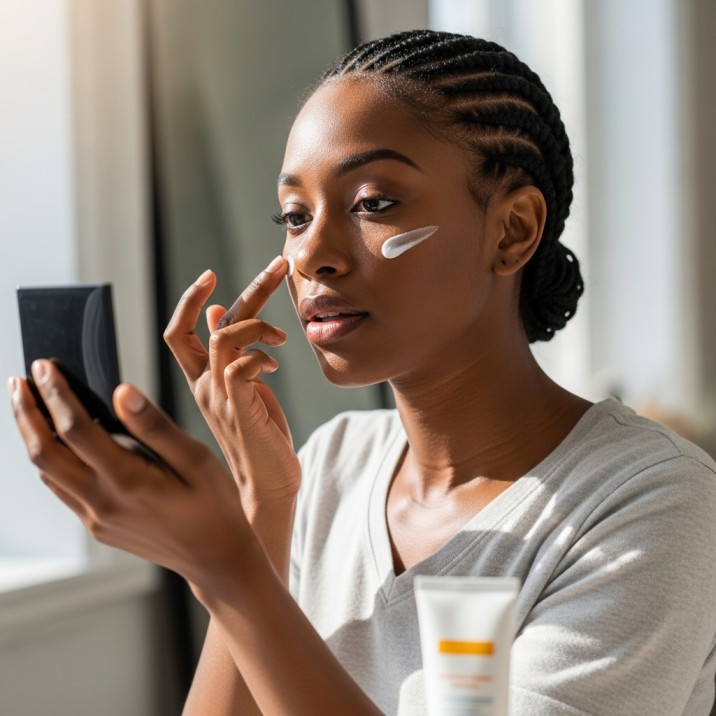
Every radiant complexion has one thing in common: protection. While cleansers, serums, and moisturizers shape a good routine, the best sunscreen for face defines a great one. It’s the quiet hero that shields your skin from invisible damage, preserving youth, tone, and glow.
UV rays don’t take days off. Even on cloudy mornings or when you’re indoors, they sneak through windows and screens. Without sunscreen, your skin slowly loses elasticity, brightness, and firmness. But with consistent daily use, sunscreen becomes your skin’s greatest ally.
Here’s a refined list of five high-performing sunscreens that blend protection with skincare science, formulas that feel as good as they look.
Why You Should Never Skip Sunscreen
Protection Beyond the Surface
The sun’s ultraviolet rays do more than tan the skin. They accelerate collagen breakdown, deepen fine lines, and trigger dark spots that take months to fade. A daily sunscreen for face prevents these long-term effects by forming a lightweight shield that locks in your natural glow while deflecting UV damage.
The SPF and PA Balance
SPF measures UVB protection, the rays responsible for burns. PA, on the other hand, measures UVA defense, the rays that age the skin. For complete coverage, experts recommend SPF 50+ with PA++++. Every sunscreen on this list meets that benchmark, offering high-level protection without the heaviness.
Choosing the Right Sunscreen for Face
Before diving into recommendations, know your skin’s needs.
- Dry skin: Look for moisturizing creams with humectants like hyaluronic acid or aloe.
- Oily skin: Go for oil-free gels or matte formulas.
- Sensitive skin: Fragrance-free and soothing blends work best.
- Deep skin tones: Hybrid or invisible formulas prevent white residue.
The goal is simple: find a sunscreen that feels invisible yet powerful, one that becomes second nature in your daily routine.
The 5 Best Sunscreen for Face
These five sunscreens combine smart formulation with sensory comfort, giving your skin the protection it deserves without compromising texture or finish.
1. Nivea Sun Protect Water Gel SPF 50 PA+++
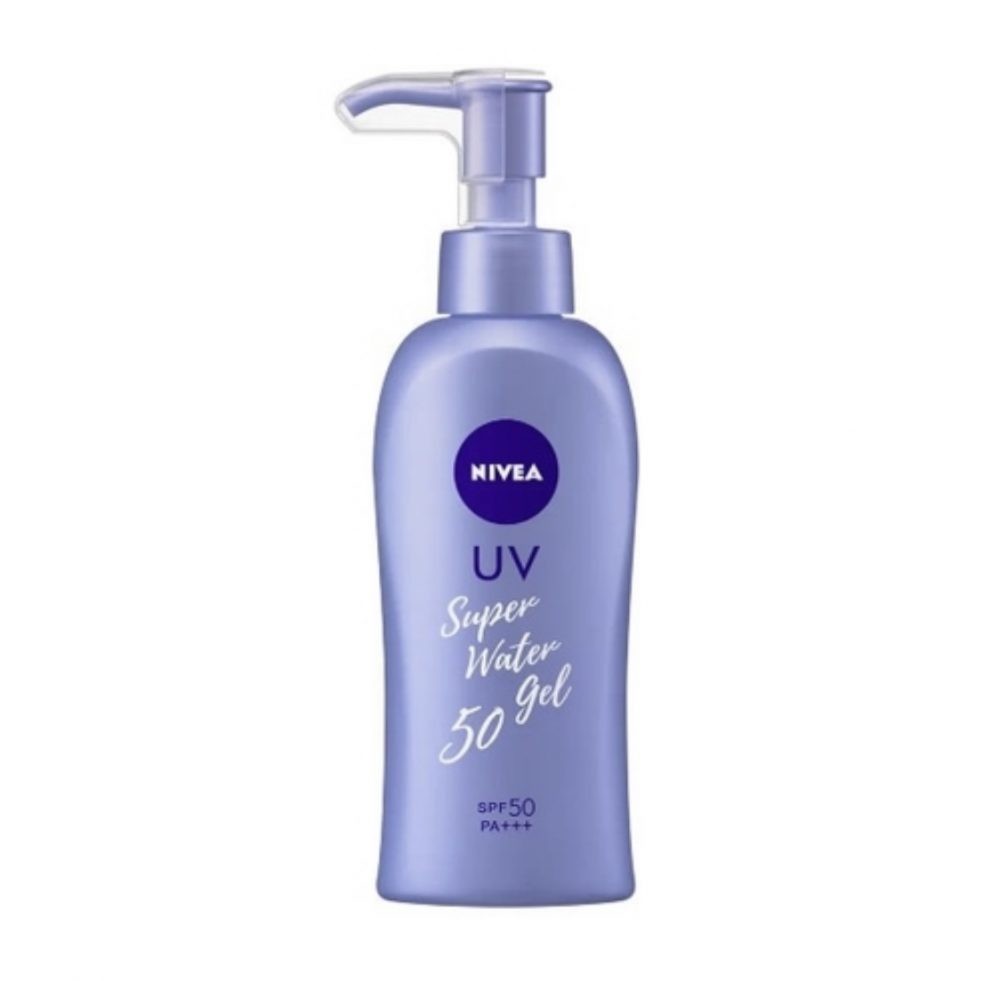
The Nivea Sun Protect Water Gel SPF 50 PA+++ delivers powerful sun protection in a lightweight, water-based formula that feels refreshingly soft on the skin. Designed for both face and body, it offers a breathable layer of defense against UV damage without any heaviness or greasy residue.
Its unique gel texture absorbs instantly, leaving your skin smooth, hydrated, and comfortable even in hot or humid weather. The high SPF 50 and PA+++ protection shield against both UVA and UVB rays, helping to prevent dark spots, sunburn, and premature aging.
What makes this sunscreen stand out is its gentle, non-comedogenic composition that works beautifully for all skin types, including sensitive and acne-prone skin. Whether you’re layering it under makeup or using it on bare skin, it blends effortlessly for an invisible finish.
Pros:
- Lightweight, water-based texture that absorbs quickly
- No white cast or greasy residue
- Broad-spectrum SPF 50 PA+++ protection
- Hydrating and suitable for both face and body
Cons:
- May require reapplication during prolonged sun exposure
- Not strongly water-resistant for swimming or intense activity
2. Black Girl Make It Hybrid SPF 50 Sunscreen
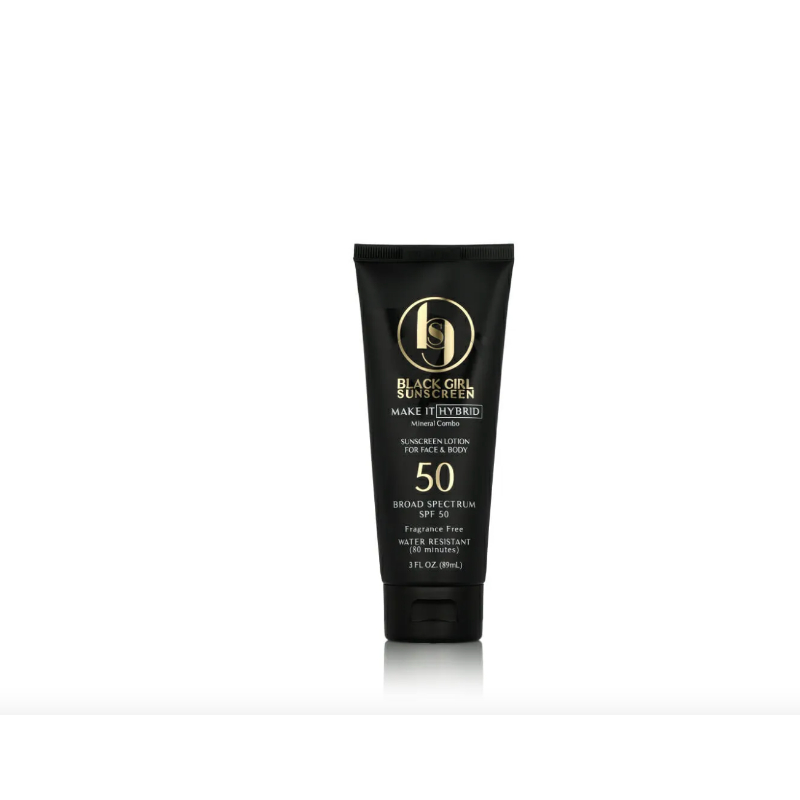
The Black Girl Make It Hybrid SPF 50 Sunscreen celebrates inclusivity and smart formulation. Designed especially for deeper complexions, it blends mineral and chemical filters to ensure broad protection that disappears into the skin, no white cast, no gray film, just a clean, luminous finish.
It’s hydrating enough to replace your morning moisturizer, creating a healthy glow that enhances your natural tone. The hybrid technology balances comfort and performance, giving you both smooth wear and serious sun defense.
For those who’ve struggled to find a sunscreen for face that complements melanin-rich skin, this one ends the search.
Pros:
- Seamless on all skin tones — truly invisible.
- Lightweight hydration that lasts through the day.
- Prevents hyperpigmentation and uneven tone.
- Doubles as a moisturizer for normal to dry skin.
Cons:
- Can feel slightly shiny on humid days.
- Not widely available in smaller markets.
3. Uncover Aloe Invisible Sunscreen SPF 50
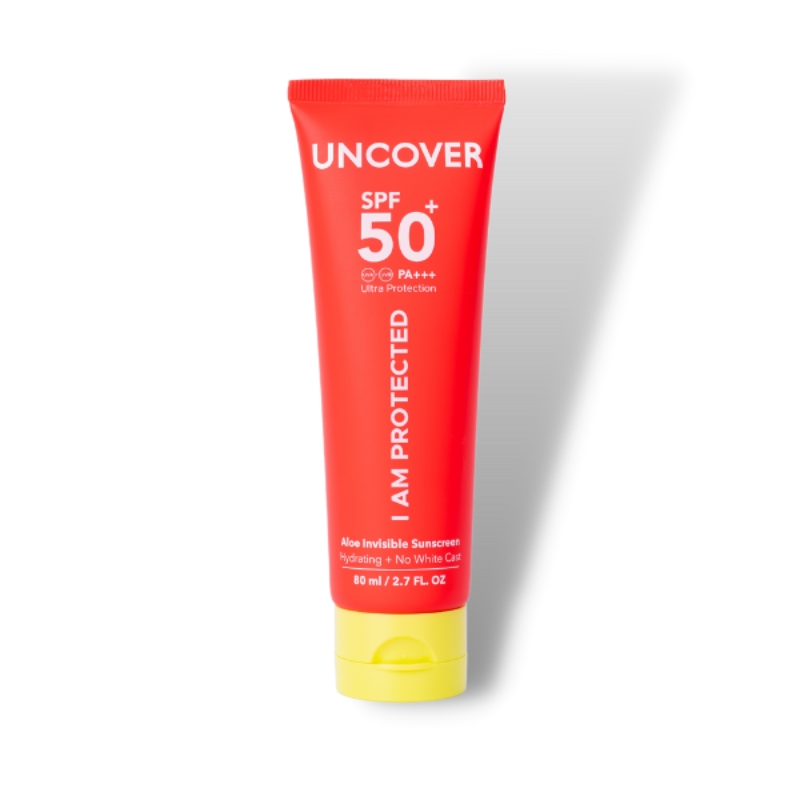
Calming, hydrating, and invisibly light, the Uncover Aloe Invisible Sunscreen SPF 50 is a universal favorite for everyday wear. Formulated with soothing aloe vera, it reduces irritation while maintaining moisture balance, making it ideal for sensitive and reactive skin types.
The transparent gel-cream texture melts effortlessly into the skin, leaving no residue or stickiness. It feels refreshing, cooling, and instantly hydrating, a true skincare-meets-suncare experience.
This sunscreen for face gives reliable broad-spectrum protection without any white cast, which makes it perfect for deeper tones and makeup wearers alike.
Pros:
- Aloe vera calms irritation and soothes redness.
- Invisible finish with SPF 50 UVA/UVB protection.
- Lightweight formula suitable for daily use.
- Compatible with makeup and serums.
Cons:
- Slightly fluid texture can spill easily.
- May require reapplication after several hours outdoors.
4. NineLess Essentials UV Shield Soothing Sun Cream SPF 50
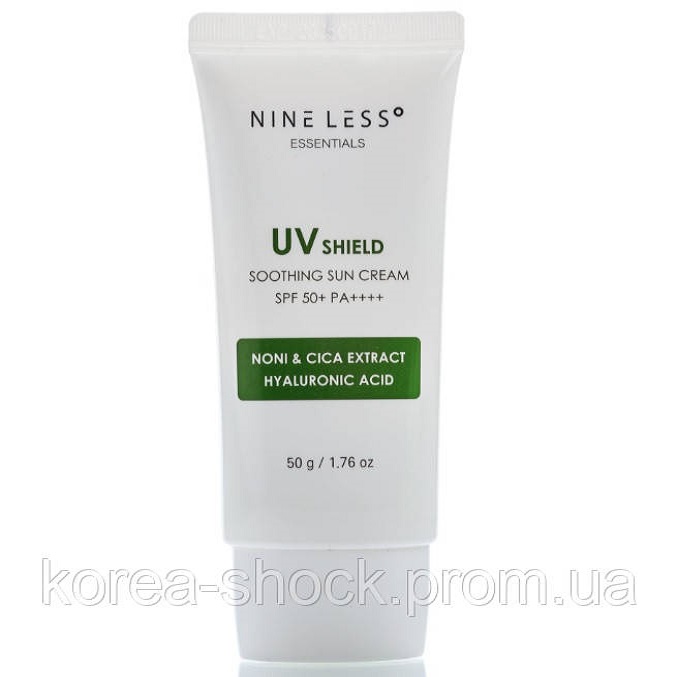
The NineLess Essentials UV Shield Soothing Sun Cream delivers more than protection, it treats, balances, and restores. Enriched with 10% niacinamide, it brightens dull skin and refines texture while offering SPF 50 coverage.
This sunscreen feels cooling upon contact, instantly calming inflammation or redness. Its velvety texture dries into a semi-matte finish, making it a go-to for those with oily or combination skin. Over time, consistent use improves tone and clarity, leaving your face looking rested and refreshed.
It’s skincare in a sunscreen bottle, ideal for people who love multi-tasking formulas.
Pros:
- Niacinamide brightens and evens skin tone.
- Balances oil and reduces shine throughout the day.
- Gentle on sensitive, redness-prone skin.
- Feels breathable and lightweight under makeup.
Cons:
- Slightly less hydrating for dry skin types.
- May pill if layered over heavy creams.
5. Biore UV Aqua Rich Protect Lotion SPF 50+
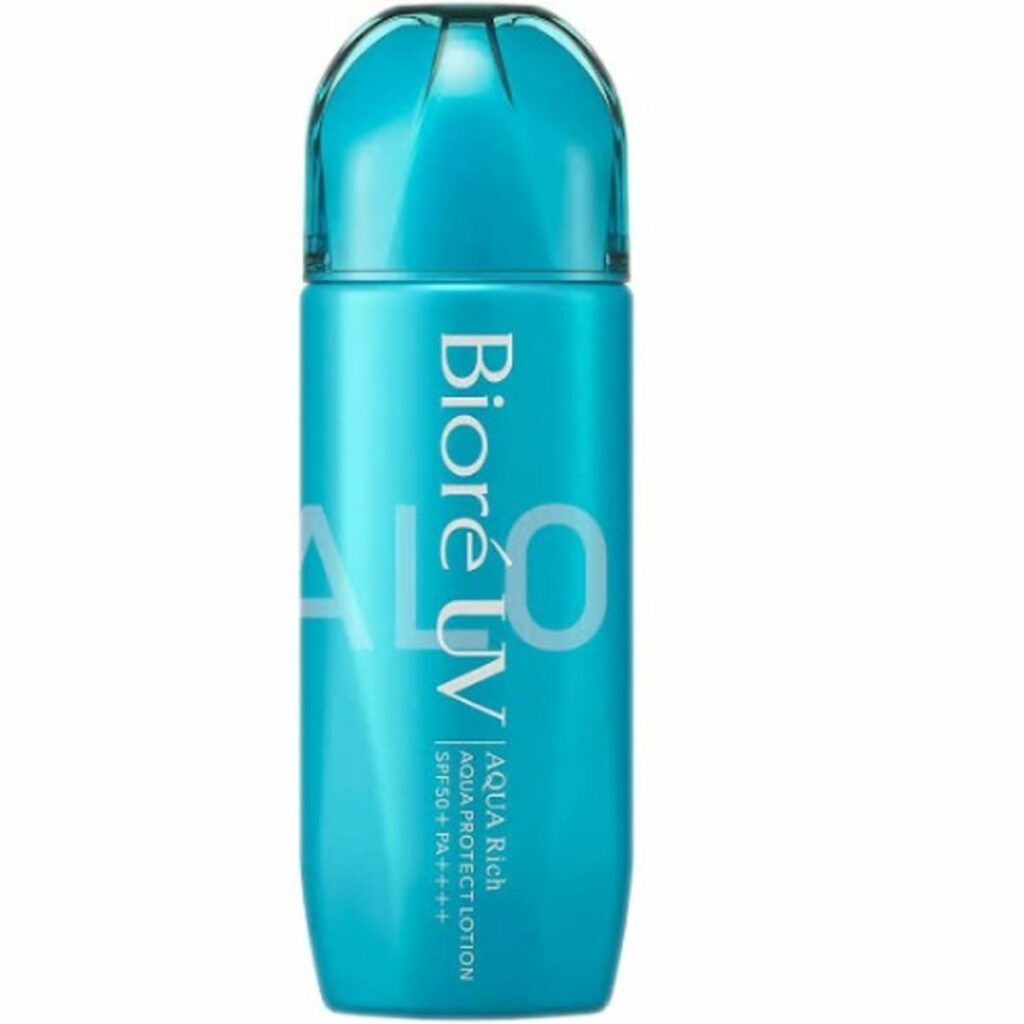
If comfort could be bottled, it would look like Biore UV Aqua Rich Protect Lotion SPF 50+. Known for its feather-light texture and “barely-there” feel, this Japanese sunscreen is a cult favorite among skincare lovers.
It uses micro-defense technology to ensure every part of the face, even around the nose and eyes, gets even protection. The lotion contains hyaluronic acid to keep skin hydrated, bouncy, and soft while blocking UVA and UVB rays effectively.
The finish is transparent, smooth, and perfectly preps the skin for makeup. It’s the kind of sunscreen for face that converts even the most reluctant sunscreen users.
Pros:
- Weightless, quick-absorbing texture.
- Provides high SPF 50+ and PA++++ protection.
- Hydrating without greasiness.
- Works seamlessly with makeup.
Cons:
- Contains mild fragrance.
- Needs reapplication for long outdoor hours.
The Right Way to Apply Sunscreen for Face
A sunscreen is only as effective as its application. Most people apply too little or too late. Here’s how to get the best results:
- Cleanse and Moisturize: Always start with clean skin. Sunscreen is your last skincare step.
- Use Enough Product: Apply two finger lengths of sunscreen to your face and neck.
- Blend Evenly: Spread gently – don’t rub harshly.
- Wait Before Makeup: Give it two minutes to absorb.
- Reapply: Every two to three hours if you’re outdoors or sweating.
Common Sunscreen Mistakes That Sabotage Results
Even with the best sunscreen for face, mistakes can minimize its benefits. Avoid these common missteps:
- Applying too little product.
- Skipping reapplication during long sun exposure.
- Using expired sunscreen.
- Relying only on SPF makeup.
- Ignoring neck, chest, and ears.
How to Choose Sunscreen for Face Based on Your Skin Type
Choosing the best sunscreen for face goes beyond just SPF numbers. Your skin type determines how a formula feels, behaves, and performs throughout the day. Understanding what works for you ensures comfort and consistent protection.
Here’s a quick guide to help you find your perfect match.
For Oily or Acne-Prone Skin
If you have oily or breakout-prone skin, look for gel-based or hybrid sunscreens that feel weightless and absorb quickly. Ingredients like niacinamide and green tea extract help control shine while keeping pores clear.
Opt for formulas labeled “oil-free” and “non-comedogenic.” Products such as NineLess Essentials UV Shield Soothing Sun Cream are perfect, they balance oil production and soothe inflammation without clogging pores.
For Dry Skin
Dry skin craves moisture and protection in one. Go for cream-based sunscreens infused with humectants like glycerin, hyaluronic acid, and ceramides.
Hydrating options like Haruharu Black Rice Moisture Airyfit Daily Sunscreen and Biore UV Aqua Rich Protect Lotion replenish lost moisture while shielding from UV damage. They act like a moisturizer and sunscreen in one step, leaving your skin soft and supple all day.
For Sensitive Skin
Sensitive skin demands gentleness. Avoid sunscreens with alcohol or fragrance, and stick with soothing ingredients such as aloe vera, panthenol, or centella asiatica.
The Uncover Aloe Invisible Sunscreen SPF 50 fits this category perfectly, it calms, cools, and hydrates without triggering irritation. Its lightweight texture makes it ideal for reactive skin types.
For Deep Skin Tones
Many sunscreens leave a grayish cast that dulls deeper complexions. The solution? A hybrid sunscreen that blends chemical and mineral filters, offering invisible protection without residue.
The Black Girl Make It Hybrid SPF 50 was made exactly for this, its silky texture disappears instantly, enhancing your natural glow while providing maximum coverage.
For Combination Skin
If your skin is oily in some areas and dry in others, balance is key. Choose a semi-matte sunscreen that hydrates where needed but controls shine in the T-zone.
Lightweight formulas like Biore UV Aqua Rich Protect Lotion SPF 50+ adapt beautifully to combination skin, offering an even, comfortable finish.
Sunscreen Layering: Can You Mix It With Makeup or Skincare?
Absolutely. Sunscreen isn’t meant to replace your skincare, it’s meant to complement it.
Apply it after moisturizer and before makeup. Wait one to two minutes between each step to avoid pilling or uneven blending. For touch-ups during the day, use a powder SPF or sunscreen mist over your makeup for quick reapplication without disturbing your base.
Layering ensures consistent protection and helps your sunscreen for face work as a reliable shield all day long.
How Often Should You Reapply Sunscreen for Face?
Even the strongest SPF fades with time, sweat, and touch. To stay protected:
- Reapply every 2–3 hours if you’re outdoors.
- If you’re sweating or swimming, reapply immediately after drying off.
- Indoors, one morning application is enough, unless you sit by sunny windows or work under harsh lighting.
Think of sunscreen like your phone battery: it drains throughout the day, so it needs recharging.
Signs You’re Using the Wrong Sunscreen
Even with good intentions, not every sunscreen will work for your skin. You might be using the wrong formula if you notice:
- Tightness or dryness after application.
- Excessive shine or oil buildup by midday.
- White residue that dulls your complexion.
- Stinging, redness, or irritation.
Switch to a gentler, more compatible sunscreen. The goal is for your sunscreen for face to feel invisible and effortless.
Practical Tips for Daily Sunscreen Use
- Store sunscreen in a cool, dry place to maintain its stability.
- Always check the expiration date, expired sunscreen loses its effectiveness.
- Combine sunscreen with hats or sunglasses for added protection.
- Reapply on your hands, neck, and chest too, they show aging first.
- Double-cleanse at night to remove sunscreen residue completely.
The Truth About Sunscreen Myths
Let’s clear a few common misconceptions that often keep people from consistent use:
- Myth 1: “Sunscreen is only for sunny days.”
→ Reality: UV rays penetrate clouds and windows daily. - Myth 2: “Sunscreen makes skin dull.”
→ Reality: Modern formulas enhance glow with brightening ingredients. - Myth 3: “Dark skin doesn’t need SPF.”
→ Reality: Melanin helps but doesn’t block all UV rays. - Myth 4: “I’m indoors, so I’m safe.”
→ Reality: Indoor light and reflected UV still affect skin health.
The takeaway? Sunscreen is for everyone, every day.
Radiance Begins with Protection
Healthy, luminous skin isn’t built overnight, it’s protected daily. Sunscreen is more than a skincare step; it’s a commitment to your skin’s future.
Each product in this guide offers something unique: lightweight comfort, soothing hydration, or invisible protection. The key is finding one that fits seamlessly into your lifestyle. Once you do, applying it becomes second nature.
Consistency builds confidence. And confidence is what glowing skin looks like.
Explore dermatologist-approved sunscreen for face at Perona Beauty, your trusted destination for skincare that protects, nourishes, and elevates your daily glow.
Frequently Asked Questions (FAQs)
1. Can sunscreen cause breakouts?
Some sunscreens can clog pores, especially those with heavy oils. Choose lightweight, non-comedogenic options like NineLess Essentials UV Shield or Uncover Aloe Invisible Sunscreen to stay breakout-free.
2. Do I need sunscreen if I have dark skin?
Yes. While melanin provides mild protection, it doesn’t block UVA or UVB rays. Using a sunscreen for face daily helps prevent hyperpigmentation and keeps your tone even.
3. Can I wear sunscreen at night?
You don’t need to. Sunscreen protects from UV radiation, which isn’t a concern at night. However, if you’re exposed to strong artificial light or blue light from screens, a light layer can help reduce potential oxidative stress.
4. How much sunscreen should I use?
Use about two finger lengths of product for your face and neck. Less than that, and you’re under-protected.
5. Does sunscreen prevent aging?
Yes. Daily use of a sunscreen for face is scientifically proven to slow visible signs of aging, like wrinkles, fine lines, and sagging. It’s the single most effective anti-aging step in any skincare routine.
6. Is sunscreen safe during pregnancy?
Most mineral and hybrid sunscreens are safe. Choose options with zinc oxide or titanium dioxide if you want a gentler approach, and avoid formulas with retinoids or oxybenzone.