
Finding the best night time serum can change the way your skin behaves by morning. Night is when your skin enters repair mode. This makes it the perfect time to apply active ingredients that help brighten dullness, soften texture, fade dark spots, and restore overall clarity. A well-formulated serum works quietly while you sleep, but the results appear loud and clear when you wake up.
This guide shares the five serums that deliver the strongest overnight improvements, each suitable for different skin types and concerns. Whether your goal is smoothness, radiance, or clarity, the right formula can help you reach it.
Why Night-Time Serums Work Better While You Sleep
Your skin becomes more receptive at night. Its temperature rises. Its protective barrier eases slightly. This makes active ingredients penetrate better. A night serum takes advantage of this natural behaviour to enhance your results.
Overnight Repair Mode
When you sleep, your skin shifts its focus from protection to regeneration. The best night time serum works with this process to improve tone and texture.
Less Interference from Environmental Stress
Sunlight, sweating, pollution, and makeup during the day interfere with skincare. At night, your skin experiences fewer disruptions. This gives serums space to work deeply.
Enhanced Cell Turnover
The natural cell renewal rate increases at night. This makes ingredients like retinol, glycolic acid, and brighteners more effective.
What Makes the Best Night Time Serum Effective
Not every serum works well at night. The best night time serum must meet certain criteria.
Absorption
Serums with thin or gel-like textures absorb quickly. They reach deeper layers where they can act.
Active Ingredients
Night-time is ideal for ingredients that work best without sun exposure. These include
- retinol
- glycolic acid
- kojic acid
- niacinamide
- tranexamic acid
- hydroquinone
- brightening plant extracts
Hydration
Even when targeting dark spots or texture, a night serum should support hydration. This helps reduce irritation and strengthens the skin barrier.
How to Choose the Best Night Time Serum Based on Skin Type
Dry Skin
Look for serums with niacinamide, tranexamic acid, hyaluronic acid, or hydrating retinol formulas.
Oily Skin
Lightweight formulas with glycolic acid or niacinamide work well.
Combination Skin
Choose serums that brighten while offering balanced hydration.
Sensitive Skin
Avoid strong exfoliants. Look for niacinamide, licorice root, or gentle retinol.
Acne-Prone Skin
Glycolic acid and niacinamide can help reduce dullness and clear congestion.
The 5 Products That Deserve the Title of Best Night Time Serum
Below are six fully detailed options, each one carefully explained so you understand who it fits and what it offers.
Koji White Dark Spot Brightening Serum
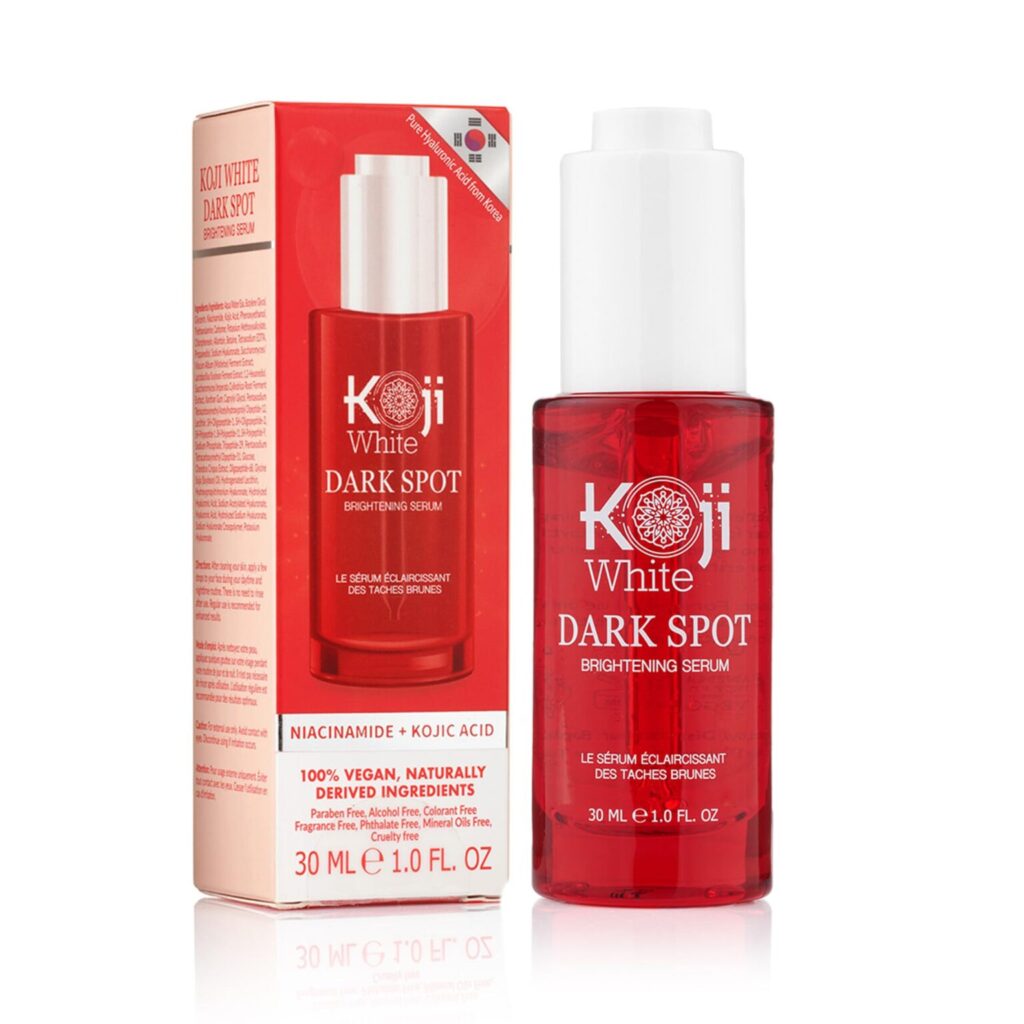
This formula blends Niacinamide and Kojic Acid to target uneven tone while supporting moisture throughout the night. The texture feels like a silky gel that glides easily and sits comfortably under moisturiser. It is a strong choice for those dealing with dark spots, dull patches, and uneven tone. With repeated nightly use, it helps refine the look of discolouration and restores surface smoothness.
Pros
- Helps improve the look of dark spots and tonal inconsistencies.
- Lightweight and hydrating texture suitable for all skin types.
- Absorbs quickly and layers well without pilling.
- Enhances brightness with steady, long-term use.
Cons
- Results appear gradually, not instantly.
- May feel mild for those who prefer stronger exfoliants.
Nineless Molecule-Clear 5% Glycolic Acid Serum
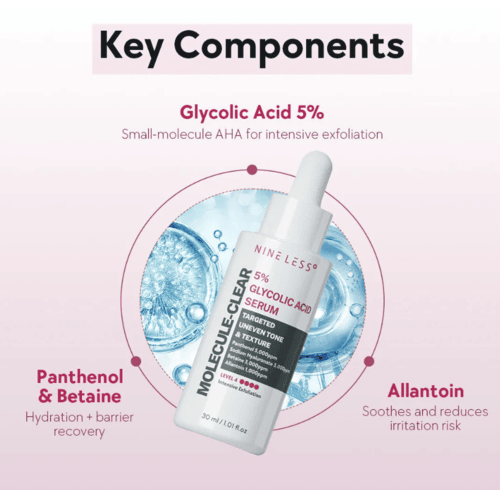
A gentle exfoliating serum created for night-time renewal. By lifting away dull skin cells, it allows fresher skin to appear by morning. The texture is thin and water-like, which makes it suitable as the first step after cleansing. It works to smooth rough texture, reduce dullness, and soften early congestion.
Pros
- Helps refine texture and enhance brightness through nightly exfoliation.
- Softens rough patches and promotes a smoother surface.
- Lightweight formula ideal for layering.
- Hydrating enough to minimise irritation.
Cons
- Not suitable for nights when using retinol.
- Can cause tingling for those new to acids.
Some By MI Retinol Intense Reactivating Serum
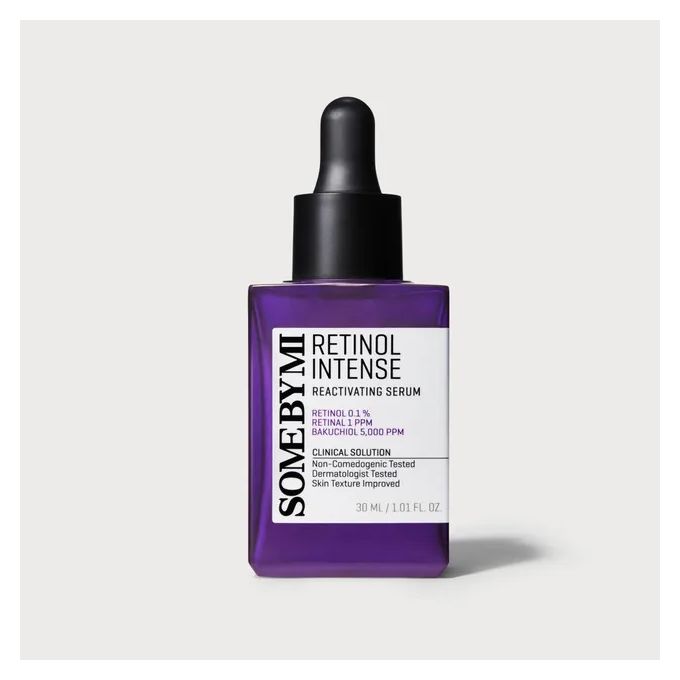
This retinol-based serum blends retinol, retinal, and bakuchiol to support elasticity, reduce fine lines, and improve overall texture. The formula is designed to deliver results without harshness, making it suitable for users who want retinol benefits with less discomfort. Overnight, it nourishes the skin while helping encourage renewal.
Pros
- Effective blend of retinol variants for night-time renewal.
- Hydrating finish reduces the typical dryness linked to retinol.
- Supports elasticity and refines texture.
- Suitable for sensitive users introducing retinol slowly.
Cons
- Actives require gradual introduction.
- Daily SPF needed, even though it’s used at night.
Uncover Licorice Root Dark Spot Serum
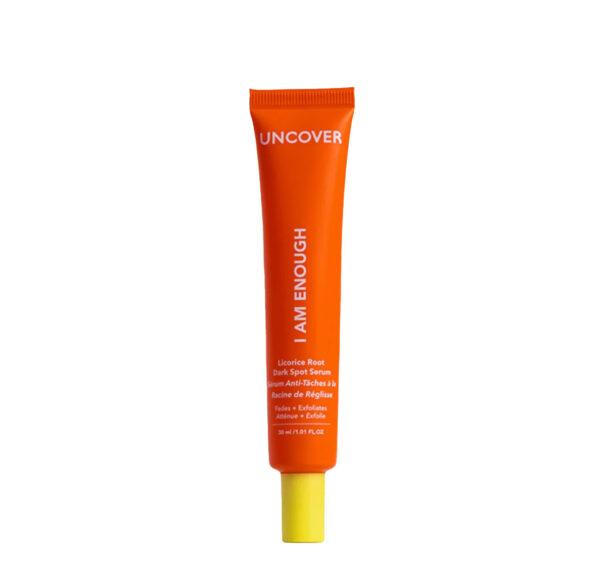
A brightening formula created for those dealing with hyperpigmentation, dark marks, and post-acne discolouration. With Licorice Root, Niacinamide, and Tranexamic Acid, it works through the night to reveal clearer, brighter skin. The texture is soft and calming, making it suitable even for sensitive users.
Pros
- Helps fade the appearance of dark spots and uneven tone.
- Calming formula that supports the barrier while brightening.
- Niacinamide enhances clarity and smoothness.
- Works well for consistent, long-term results.
Cons
- Too lightweight for users who prefer rich night serums.
- Improvements appear gradually over several weeks.
La Roche-Posay MelaB3 Intense Anti-Dark Spot Serum
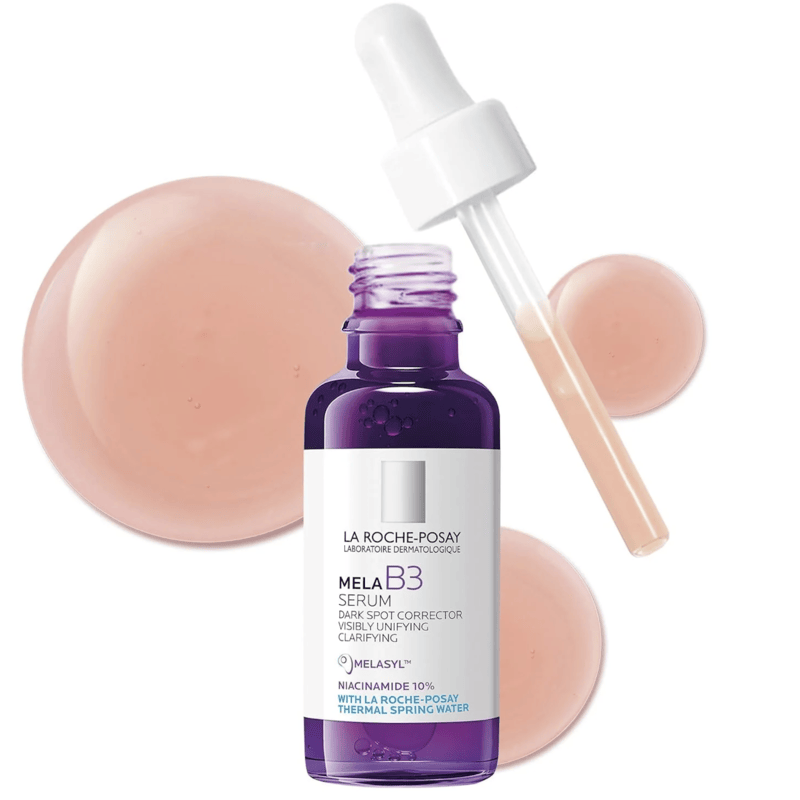
A hydrating, soothing brightening serum designed for stubborn pigmentation. With Niacinamide and Melasyl™, it targets tonal inconsistencies at night while offering a cooling, calming texture. It suits nearly all skin types and works best when applied consistently.
Pros
- Helps target stubborn dark spots and uneven tone.
- Gentle, hydrating, and suitable for daily night use.
- Gel-like texture that sinks in smoothly.
- Works well with moisturisers and restorative night creams.
Cons
- Users with deep pigmentation may need extended use.
- Light fragrance may not suit those sensitive to scents.
Cos De BAHA Hydroquinone 2% Serum
A targeted treatment for dark spots, melasma, and long-standing hyperpigmentation. Hydroquinone 2% works overnight to gradually lighten the appearance of marks and create a more even surface. The formula is lightweight, making it ideal for layering under heavier night creams.
Pros
- Helps lighten stubborn pigmentation effectively.
- Lightweight formula suited for targeted or full-face use.
- Fast-absorbing and easy to incorporate into layered routines.
- Supports a more even surface over time.
Cons
- Not intended for long-term continuous use.
- Requires consistent moisturising to avoid dryness.
How to Layer the Best Night Time Serum in Your Routine
Layering matters. The way you apply products affects how well the best night time serum penetrates and performs. A simple, structured routine ensures every ingredient works to its full potential while keeping the skin calm and balanced.
Step 1: Cleanse Thoroughly
Start with a gentle cleanser to remove sunscreen, makeup, sweat, and oils. Clean skin absorbs serums better, especially active formulas.
Step 2: Apply Your Best Night Time Serum
Use a small amount and spread it evenly across the face. Allow it to settle for a few seconds. Whether the serum targets brightening, texture, or elasticity, letting it sit gives the active ingredients time to bond with the skin before adding richer layers.
Step 3: Hydrate and Strengthen
Apply a moisturiser suited to night-time use. Creams help lock the serum in place and prevent evaporation. This improves absorption and reduces the chance of dryness, especially with formulas containing retinol, glycolic acid, or hydroquinone.
Step 4: Optional: Add a Sleeping Mask
If your skin tends to feel dry or tight, a sleeping mask helps seal everything in. This boosts hydration and creates a more even, smoother finish by morning.
Step 5: Consistency Is Key
Night-time serums deliver visible results only when used faithfully. Most improvements, especially brightening and smoothing, show after several weeks of uninterrupted use.
Mistakes People Make When Using Night Serums
Even the best night time serum can disappoint if used incorrectly. Understanding common mistakes helps you avoid irritation and achieve better results.
Using Too Many Actives Together
People sometimes layer retinol, glycolic acid, and vitamin C on the same night. This can overwhelm the skin. Stick to one strong active per night.
Skipping Moisturiser After Using Strong Ingredients
Ingredients like Glycolic Acid, Retinol, and Hydroquinone perform best when paired with moisture. Without hydration, the skin barrier weakens, leading to dryness, flaking, or sensitivity.
Using Serums on Damp Skin When Not Recommended
Some active formulas absorb too quickly into damp skin, increasing the risk of irritation. Always read product instructions.
Applying Too Much Product
More product does not create faster results. It only increases the chance of redness or peeling. A pea-size amount is usually enough.
Not Wearing Sunscreen the Next Morning
Even though the serum is used at night, the ingredients can make skin more reactive to sunlight the following day. Sunscreen prevents the return of dark spots and protects the results of your night routine.
FAQs About Choosing the Best Night Time Serum
1. How often should I use a night serum?
Most serums can be used every night, but active formulas like retinol or glycolic acid are best introduced slowly. Begin with two or three nights a week and increase as the skin adjusts.
2. Can I use multiple night serums together?
It depends on the ingredients. Hydrating serums mix well with most products, but strong actives like retinol, glycolic acid, or hydroquinone should not be layered in one routine.
3. When should I expect to see results?
Brightening and smoothing serums show early improvements in two to four weeks. Stronger pigmentation treatments or retinol-based serums may take eight to twelve weeks of consistent use.
4. Which serum is best for dark spots?
Formulas with Kojic Acid, Niacinamide, Tranexamic Acid, Hydroquinone, or brightening plant extracts work well. Each one targets the look of pigmentation differently, making them strong candidates for the best night time serum title.
5. Can sensitive skin use night serums safely?
Yes. Choose gentle actives such as Niacinamide, Licorice Root, or slow-release retinol. Hydration is essential to keep sensitivity under control.
6. Why are night serums better for actives like retinol and glycolic acid?
These ingredients work best without sun exposure. Night-time allows them to act without interference, while your skin naturally shifts into recovery mode. This makes the best night time serum more effective.
Choosing the Best Night Time Serum
Choosing the best night time serum is about understanding what your skin needs during its natural repair cycle. When you select a serum that matches your concerns, whether brightening, smoothing, or firming, you will notice your skin becoming clearer, more balanced, and more radiant with consistent night use.
Looking to upgrade your night routine with products that actually transform your skin?. Explore premium night serums at Perona Beauty, your trusted source for high-performance skincare.