
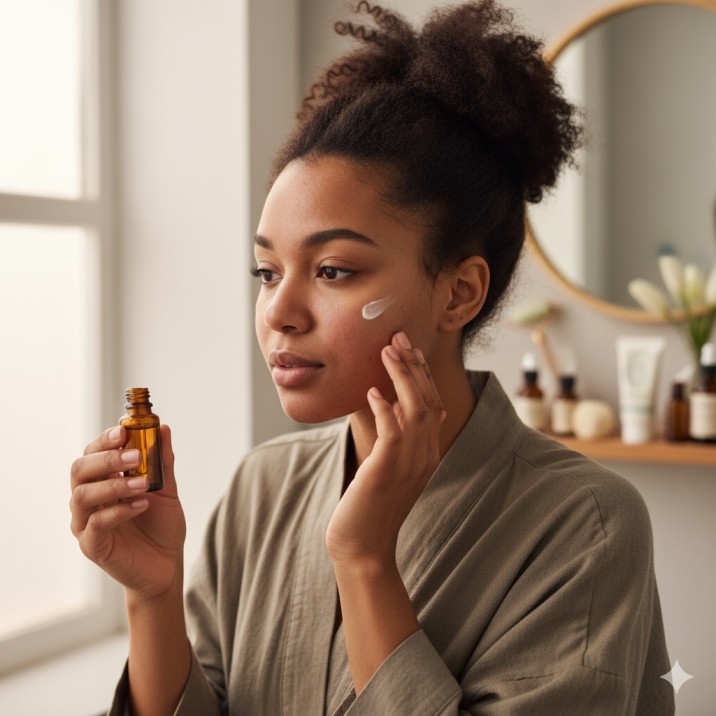
Few skincare experiences are more confusing than waking up to new spots after starting a new product. The immediate assumption is often that something has gone wrong. In reality, the skin may simply be adjusting. This confusion sits at the centre of Skin purging and breakout, two reactions that look similar but mean very different things.
Misunderstanding Skin purging and breakout can lead to unnecessary panic, over-treatment, or abandoning products that are actually helping. Learning to read the skin’s signals allows you to respond correctly instead of reacting emotionally.
This article breaks down how skin purging differs from breakouts, how long each lasts, and how specific products can support the skin during both phases.
Why Skin Purging and Breakout Are Commonly Misread
At surface level, Skin purging and breakout can appear identical. Both can involve pimples, congestion, whiteheads, or small inflamed bumps. The difference lies in what triggers them and how the skin behaves over time.
Skin purging is driven by acceleration. Certain ingredients increase cell turnover, pushing existing congestion to the surface faster than usual. Breakouts, on the other hand, are driven by disruption. They occur when pores clog due to irritation, excess oil, bacteria, or a compromised barrier.
Understanding this distinction shifts the focus from appearance alone to behaviour and timing.
What Skin Purging Really Is
Skin purging is a temporary response to ingredients that influence how quickly the skin renews itself. Instead of allowing congestion to surface gradually, these products bring it forward all at once.
In discussions about Skin purging and breakout, purging is often misunderstood as a negative reaction. In reality, it is a transitional phase that signals internal change.
Skin purging usually:
- Appears shortly after introducing a new active
- Occurs in areas where breakouts already happen
- Clears faster than normal acne
- Leaves skin texture smoother once it settles
This reaction is uncomfortable but purposeful.
Supporting the Skin During Skin Purging
When skin is purging, restraint matters more than correction. Adding more actives often overwhelms the skin and extends the adjustment phase. Supportive care allows the skin to complete its cycle without unnecessary stress.
Products used during skin purging should focus on barrier strength, hydration, and calming inflammation while avoiding additional triggers related to Skin purging and breakout confusion.
Balance Active Formula Ceramides Skin Barrier Serum
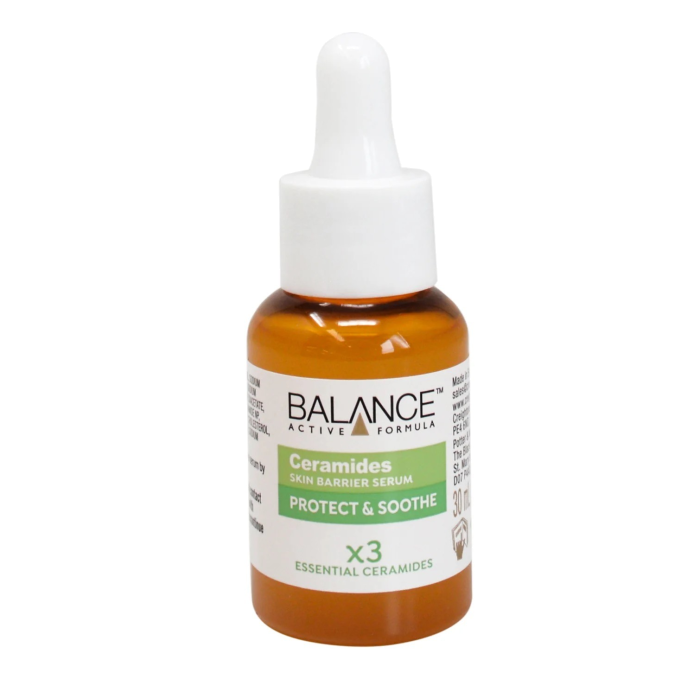
Barrier integrity plays a major role in how the skin tolerates purging. This serum replenishes ceramides that help the skin retain moisture and remain resilient.
Pros
- Strengthens the skin barrier
- Reduces sensitivity during adjustment phases
- Improves moisture retention
- Layers well with other products
Cons
- Does not target active acne
- Requires consistent use
Some By Mi Beta Panthenol Repair Cream
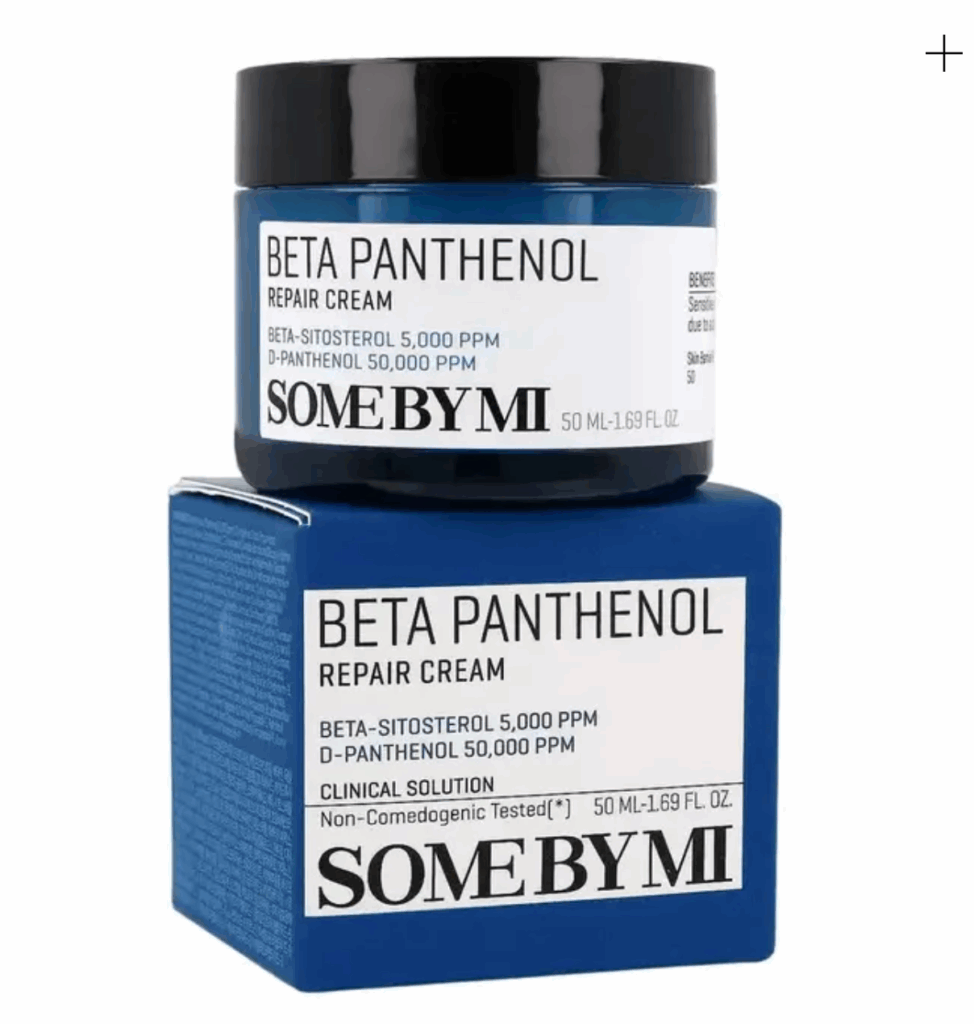
This cream focuses on recovery. It calms irritation, supports barrier repair, and provides comfort when the skin feels overwhelmed during purging.
Pros
- Soothes irritated skin
- Supports barrier healing
- Suitable for sensitive skin
- Works well as an evening moisturiser
Cons
- May feel rich on oily skin
- Not designed for acne treatment
What a True Skin Breakout Looks Like
Breakouts signal imbalance rather than adjustment. In the context of Skin purging and breakout, breakouts often feel more aggressive and less predictable.
They may appear in new areas, feel painful or inflamed, and continue to worsen with ongoing use of the same product. Breakouts do not resolve on their own without removing the trigger.
This distinction matters because treating breakouts as purging often prolongs inflammation.
How to Treat a Skin Breakout Gently
Breakout care should focus on clearing pores and calming inflammation without stripping the skin. Over-treating often damages the barrier, leading to recurring issues related to Skin purging and breakout confusion.
Nineless Molecule-Clear Salicylic Acid Serum
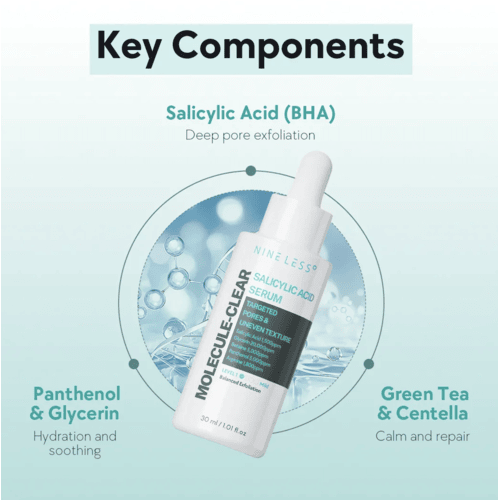
Salicylic acid works within the pore, making it effective for congestion and uneven texture. This serum exfoliates without relying on abrasive methods.
Pros
- Clears clogged pores
- Smooths uneven texture
- Lightweight and fast-absorbing
- Suitable for regular use
Cons
- Can be drying if overused
- Not ideal for compromised skin barriers
Anua Azelaic Acid 10% + Hyaluron Redness Soothing Serum
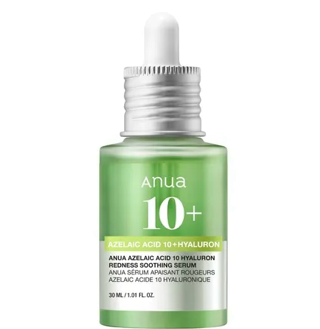
This serum balances treatment and comfort. Azelaic acid helps reduce redness and breakouts while hyaluronic acid maintains hydration.
Pros
- Calms inflamed skin
- Improves uneven tone
- Hydrates while treating breakouts
- Suitable for sensitive skin
Cons
- Mild tingling may occur
- Requires patience for visible results
PanOxyl Acne Foaming Wash Benzoyl Peroxide 10%
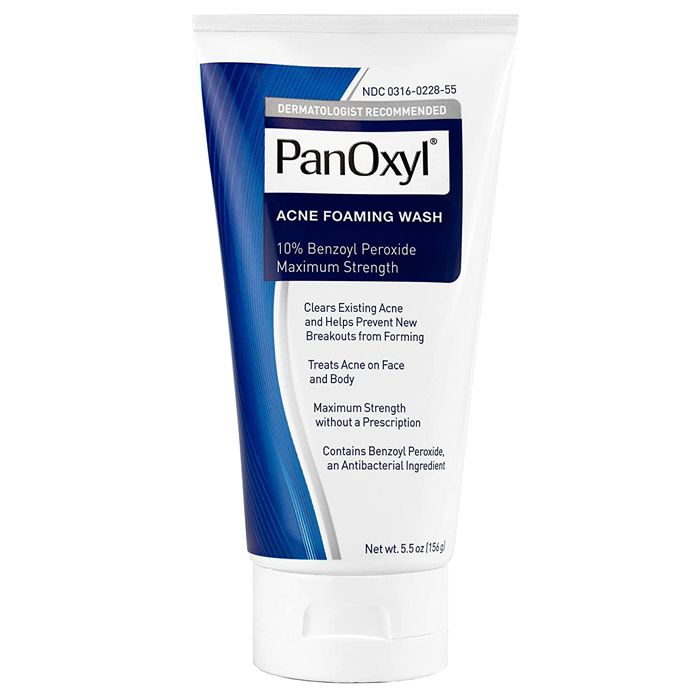
This cleanser targets acne-causing bacteria directly and is suited for more persistent or inflamed breakouts.
Pros
- Kills acne-causing bacteria quickly
- Helps prevent future breakouts
- Effective for face and body
- Suitable for moderate to severe acne
Cons
- Can cause dryness
- Too strong for sensitive skin
How Skin Purging and Breakout Behave Over Time
One of the clearest ways to separate Skin purging and breakout is to watch how the skin changes week by week rather than day by day.
Skin purging follows a pattern. It begins shortly after introducing an active ingredient, often within the first one to three weeks. Breakouts may appear clustered in familiar areas such as the chin, forehead, or cheeks where congestion already exists. Although the skin may look unsettled, individual spots tend to heal faster than usual. As the purge passes, the skin often feels smoother and looks more even.
Breakouts behave less predictably. They may start gradually or suddenly, spread into areas where acne is uncommon, and remain inflamed. Instead of resolving quickly, blemishes linger or worsen. Continued use of the triggering product rarely improves the situation. This behaviour is a key signal when assessing Skin purging and breakout.
Time, consistency, and progression provide clearer answers than appearance alone.
What to Do When You Cannot Tell the Difference
There are moments when the skin does not give a clear answer. During these periods, the safest approach is stabilisation.
Pause strong actives and focus on hydration, barrier repair, and gentle cleansing. Avoid introducing new products while observing the skin’s response. If the reaction improves over the following weeks, it was likely purging. If irritation or congestion continues, the issue is more likely a breakout.
This observation window is essential in managing Skin purging and breakout without escalating irritation.
Why Barrier Health Matters in Skin Purging and Breakout
The skin barrier acts as a control system. When it is strong, the skin tolerates change more easily. When compromised, even gentle products can trigger inflammation.
Both Skin purging and breakout improve faster when the barrier is supported. Hydrating layers, ceramide-rich formulas, and calming creams reduce water loss and help regulate inflammation. This allows active treatments to work without overwhelming the skin.
Barrier-focused care does not slow progress. It often shortens recovery time.
Common Mistakes That Worsen Skin Purging and Breakout
One of the most common mistakes is reacting too quickly. Seeing new spots often leads to adding more treatments, exfoliating more frequently, or switching products repeatedly. This approach usually worsens both Skin purging and breakout.
Another mistake is ignoring discomfort. Stinging, burning, or excessive dryness often indicate irritation rather than adjustment. Continuing to push through these signs damages the barrier.
Finally, inconsistency creates confusion. Skipping days or using products sporadically makes it harder to understand how the skin is responding.
Calm, consistent routines offer clearer results.
How to Tell if Your Skin Is Purging or Breaking Out
Understanding Skin purging and breakout shifts skincare from guesswork to informed care. While both reactions look similar at first, their behaviour over time tells a different story.
Purging reflects internal adjustment and often leads to improved texture once it settles. Breakouts signal imbalance and require a gentler, corrective approach. Recognising this difference allows you to respond with patience rather than frustration.
Skincare works best when it supports the skin’s rhythm instead of forcing change. Learning to read these signals helps build routines that evolve with the skin rather than against it.
Frequently Asked Questions About Skin Purging and Breakout
Can Skin purging and breakout happen at the same time?
Yes. Some areas of the face may purge while others react negatively. This often happens when the skin barrier is uneven or compromised.
Does sensitive skin experience Skin purging and breakout differently?
Sensitive skin may show more redness during both reactions, which can make Skin purging and breakout harder to identify. Timing and progression remain the most reliable indicators.
Should active products be stopped during skin purging?
Not always. If irritation is minimal and improvement follows a predictable pattern, continuing gentle actives can be appropriate. Severe discomfort suggests a breakout.
How long should Skin purging and breakout be monitored before changing products?
Skin purging typically improves within four to six weeks. If symptoms persist beyond this period, reassessment is recommended.
Can hydration reduce Skin purging and breakout?
Yes. Well-hydrated skin recovers faster and tolerates change better, reducing the intensity of both reactions.