

If you have ever reached for a product without being entirely sure whether it qualifies as a cleanser or a face wash, you are not alone. The two are routinely marketed as though they are the same thing, and most people spend years using whichever one looks appealing without ever questioning whether it is the right fit. But the differences between cleanser and face wash are not trivial. They affect how your skin behaves, how well your other products perform, and whether your routine is genuinely working in your skin’s favour.
Getting clear on the differences between cleanser and face wash does not require expertise. It requires understanding what each product is actually designed to do and what happens to your skin when you use the wrong one consistently. Most people are surprised to learn that the differences between cleanser and face wash go far deeper than texture or packaging, touching on pH, barrier science, and routine structure in ways that directly affect daily skin health.
What Actually Makes a Cleanser Different from a Face Wash?
At the most fundamental level, one of the core differences between cleanser and face wash is in how each product removes impurities. A face wash uses surfactants, which are active cleansing agents that lather with water and break down oil, debris, and sweat before rinsing them away. A cleanser operates across a much wider category of formats including creams, oils, balms, gels, and micellar waters, many of which do not rely on surfactants or even require water to function.
The more important distinction is not format but purpose. A face wash is built to purify. A cleanser is built to purify without cost to the skin’s protective barrier. That single difference in design intent is what makes each product more or less suitable depending on your skin type, your environment, and how your routine is structured. Once you understand this, the differences between cleanser and face wash become a practical guide rather than an abstract distinction.
Difference 1: What They Are Made Of and How They Feel
The differences between cleanser and face wash begin at the formulation level. Face washes are built around surfactants, the cleansing agents responsible for generating lather and attaching to oil so it can be rinsed away. The foam feels thorough, but it is the surfactant doing the work, not the bubbles.
Cleansers take a fundamentally different approach. Rather than using surfactants to strip the skin’s surface, they use emollients, oils, or micellar technology to lift impurities whilst leaving the skin’s protective layer largely undisturbed. This is why cleansers tend to feel softer, richer, and less aggressive on the skin, and why they rarely produce that tight or uncomfortable sensation that many face washes leave behind. The formulation difference is not cosmetic. It has real consequences for barrier health with every single use.
Difference 2: What They Do to Your Skin’s pH
One of the less visible but most consequential differences between cleanser and face wash involves pH. Your skin is naturally acidic, sitting at a pH of around 4.5 to 5.5. This acidity is what keeps the barrier strong, the microbiome balanced, and the skin’s defences functioning properly.
Many conventional face washes sit at a higher pH than this, which disrupts the skin’s natural balance every time you wash. Repeat that disruption twice daily for months and the cumulative effect shows up as sensitivity, reactivity, and a barrier that struggles to protect itself. When weighing the differences between cleanser and face wash from a pH perspective, cleansers come out significantly gentler. Cream and oil-based options tend to operate closer to the skin’s natural acidity and cause significantly less disruption as a result. The uncomfortable tightness that some people equate with a good cleanse is actually one of the clearest signs that a product is working against the skin rather than with it.
Difference 3: How Deeply Each One Cleans
Depth of cleansing is one of the most practically important differences between cleanser and face wash, and it is also the one most likely to be misapplied. Face washes are designed to go deeper. Their surfactant-heavy formulas reach further into the pore to dislodge built-up sebum, sweat, and environmental residue, which makes them a strong choice after exercise, pollution exposure, or a full day of wearing SPF and base products.
Cleansers work more at the skin’s surface. They are well suited to mornings, when the skin primarily needs a gentle refresh rather than a thorough purge, or as the opening step of a double-cleanse before a face wash handles what remains. The mistake most people make is applying a face wash with the same intensity twice every day regardless of what the skin actually needs. That level of cleansing, repeated unnecessarily, tips from beneficial into damaging. Understanding this particular difference between cleanser and face wash can prevent years of accidental over-cleansing.
Difference 4: Which Skin Types Each One Suits
When looking at the differences between cleanser and face wash through the lens of skin type, it becomes clear that each has a natural audience. Face washes suit oily, combination, and acne-prone skin. Their capacity to cut through excess sebum and clear congestion is a genuine benefit for skin that consistently produces too much oil or struggles with blocked pores.
For dry, sensitive, or mature skin, that same capacity causes problems. Repeated deep cleansing removes the lipids and moisture that these skin types are already short on, leaving behind dryness, irritation, and a barrier that becomes increasingly reactive over time. Cleansers cover a wider range because they are designed to clean without depleting. One important caveat is that product naming is not a reliable guide to formulation. Understanding the real differences between cleanser and face wash means looking past the label and into the ingredient list, where the actual story is told. Skin type is the single most useful filter when navigating the differences between cleanser and face wash, and it is the one most people skip entirely.
Difference 5: Where Each Product Belongs in Your Routine
Perhaps the most overlooked of the differences between cleanser and face wash is how each one functions within the structure of a full routine. They are not two versions of the same step. They serve distinct purposes and perform best when each is used in the role it was designed for.
A double-cleanse assigns the first step to a cleanser, which breaks down oil-based products like sunscreen and makeup, and the second to a face wash, which clears what remains. On a straightforward morning when skin has not been exposed to much overnight, a cleanser alone is more than adequate. A face wash is best reserved for evenings, post-exercise, or any occasion when the skin genuinely needs a thorough reset. Treating every cleanse as identical regardless of what the skin has been through is one of the most consistent reasons a routine stops delivering results. Applying the differences between cleanser and face wash to your routine structure is what turns a generic habit into a targeted, skin-specific practice.
How to Choose Between a Cleanser and a Face Wash
Matching the right product to your skin is less complicated than most people expect once you know what to look for. Oily and acne-prone skin generally does better with a face wash, particularly in the evening or after exercise, where the deeper surfactant action addresses genuine congestion rather than creating it. Dry, sensitive, or mature skin responds better to a cream or gel-cream cleanser used consistently, as it removes what needs to go without depleting what the skin depends on.
Combination skin often benefits from a split approach, a face wash in the evening and a gentler cleanser in the morning, to match the product intensity to what the skin has actually been through at each point in the day. For anyone wearing SPF or makeup regularly, double-cleansing is the more reliable approach, with a cleanser handling the oil-based residue first and a face wash clearing what remains.
Where most people go wrong is trusting comfort as a measure of effectiveness. A cleanser or face wash can feel perfectly pleasant in the moment and still be measurably depleting the barrier with every use. How skin feels an hour after washing, not immediately after, is the more honest indicator of whether the right product has been chosen.
Face Wash Products
Simple Purifying Face Wash
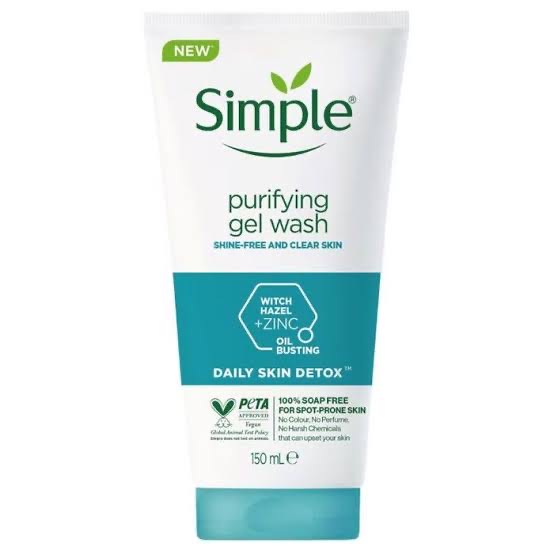
A gentle yet effective cleanser that deeply cleanses the skin, removing impurities and excess oil without leaving it feeling tight or dry. Despite its name, it leans gentle enough to suit a wide range of skin types, making it a practical and accessible everyday face wash for those who need reliable cleansing without aggression.
Pros
- Gentle formula suits most skin types including those prone to sensitivity or barrier disruption
- Does not produce tightness or stripped feeling after use, supporting comfortable twice-daily cleansing
- Low irritant risk makes it a reliable choice for those actively repairing a compromised barrier
Cons
- May not deliver sufficient cleansing depth for oily or congested skin with higher sebum production
- Contains no active ingredients, limiting its role to maintenance cleansing rather than treatment
Simple Glow Facial Wash with Vitamin C and Antioxidants
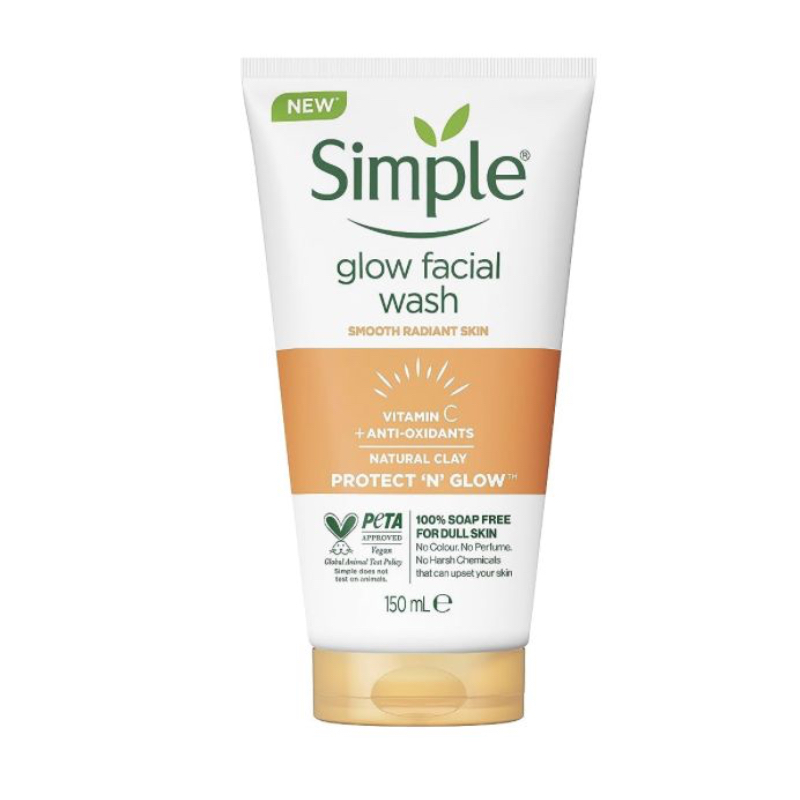
A daily facial wash enriched with vitamin C and antioxidants that gently cleanses while brightening and revitalising dull skin. It is a practical option for those who want visible results from their cleansing step without adding a separate brightening product to their routine.
Pros
- Vitamin C and antioxidant complex delivers brightening benefit at the cleansing stage, reducing the need for additional steps
- Gentle enough for daily use with gradual, visible improvement in skin radiance over time
- Practical for those who prefer a streamlined routine without sacrificing a brightening outcome
Cons
- Rinse-off contact time limits the efficacy of vitamin C compared to a dedicated leave-on treatment
- Not sufficient as a standalone cleanser for oily or acne-prone skin that requires deeper congestion removal
Skin by Zaron Acne Control Glow Face Wash
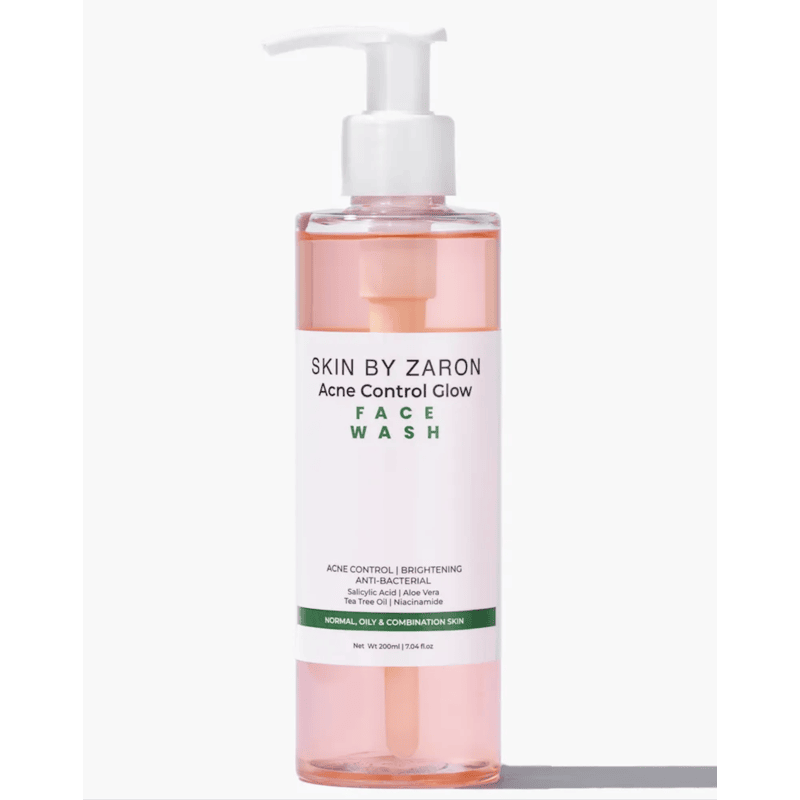
A gentle yet effective foaming cleanser formulated to fight acne, reduce excess oil, and brighten dull skin. Enriched with anti-inflammatory and antioxidant ingredients, it leaves skin refreshed, balanced, and glowing. It is a targeted product for oily or acne-prone skin rather than a general daily option for all skin types.
Pros
- Anti-inflammatory ingredients address active breakouts during cleansing, reducing reliance on additional spot treatments
- Foaming base removes excess oil and surface congestion effectively from oily and combination skin
- Brightening actives support more even skin tone and improved clarity with consistent use
Cons
- Unsuitable for dry or sensitive skin where its oil-clearing efficacy causes dehydration and reactivity
- Twice-daily use increases the risk of barrier disruption; once daily is the more sustainable frequency
Face Cleanser Products
Face Facts Enhance Gel-Cream Cleanser
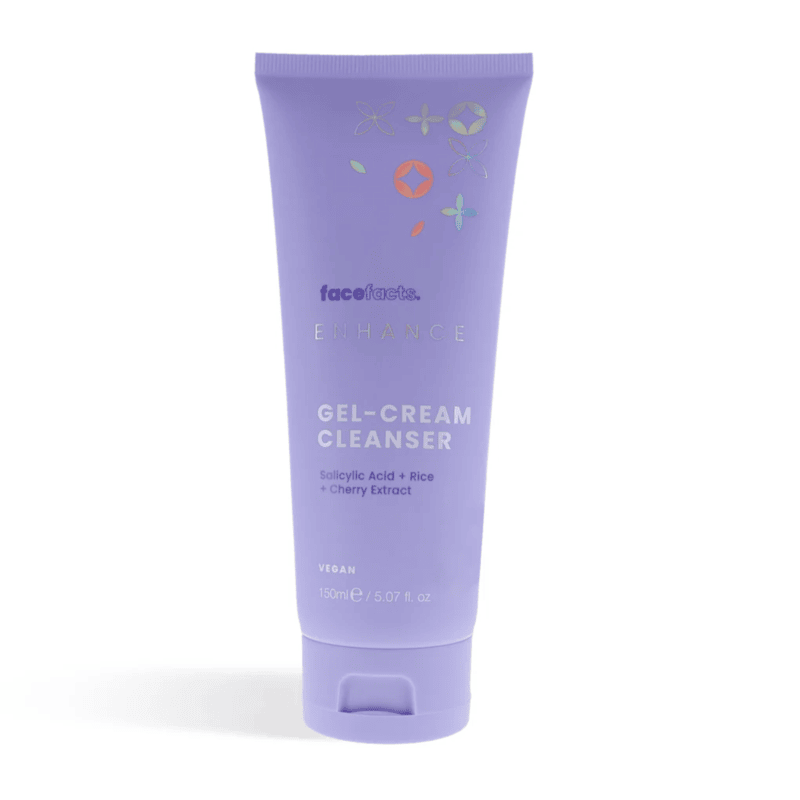
A gentle yet effective gel-to-cream cleanser enriched with niacinamide and vitamin E to cleanse, hydrate, and enhance skin’s natural glow, suitable for all skin types. Based on our experience at Face Facts, the cleansing step is one of the most underused opportunities to deliver real skin benefit, and the Enhance Gel-Cream Cleanser was built around that belief.
Pros
- Niacinamide supports skin tone and barrier function throughout the cleansing process
- Gel-to-cream texture is comfortable for all skin types across morning and evening use
- Vitamin E preserves moisture balance and provides antioxidant support during and after cleansing
Cons
- The cream finish may feel too rich for very oily skin in humid conditions
- Best supplemented with a dedicated face wash or double-cleanse on days involving heavy SPF or long-wear cosmetics
Uncover I Am Energised Green Tea Revitalising Cleanser
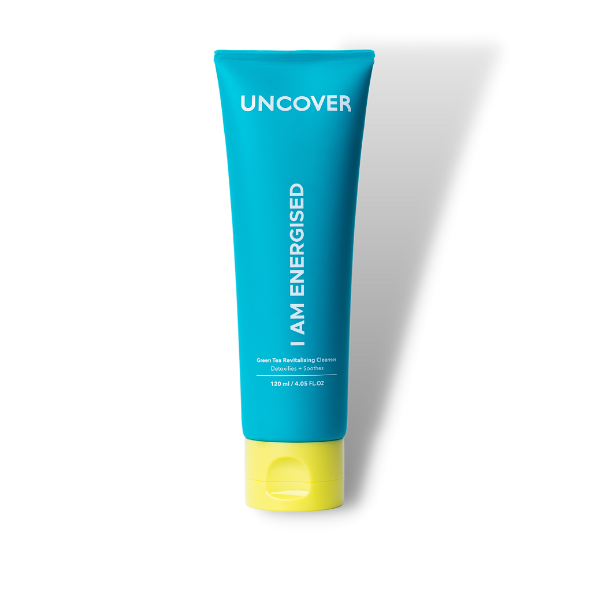
A refreshing gel-based cleanser infused with antioxidant-rich green tea to gently remove impurities, energise the skin, and leave the complexion feeling clean and revitalised. It is a lightweight, functional option for those who want daily cleansing that goes beyond impurity removal without any compromise on gentleness.
Pros
- Green tea antioxidants add functional skin benefit at the cleansing stage beyond basic impurity removal
- Lightweight gel base cleanses and revitalises without the stripping effect of denser surfactant-heavy formulas
- Leaves skin feeling clean and energised, making it a strong daily cleanser for normal to oily skin
Cons
- May not provide adequate removal after heavy-coverage products or long-wear SPF without an oil-based first cleanse
- Twice-daily use on very dry skin may cause mild dryness without a sufficiently rich moisturiser to follow
COSRX Low pH Good Morning Gel Cleanser
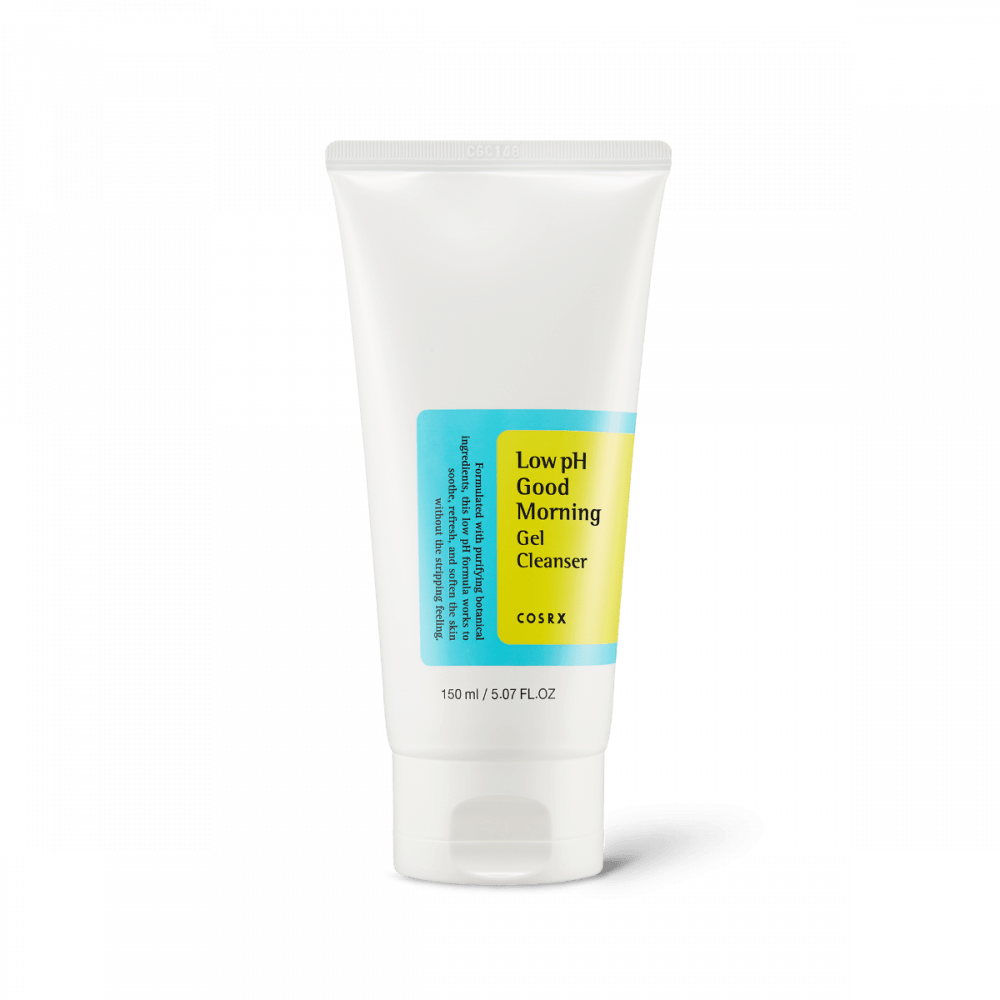
A gentle gel-type cleanser with a mildly acidic pH level engineered to work in harmony with the skin’s natural acidity. It cleanses without stripping, refines skin texture over time, and suits all skin types. It supports a firmer-looking complexion and functions reliably as both a morning and evening cleanse.
Pros
- Mildly acidic pH aligns with the skin’s natural chemistry, reducing barrier disruption with consistent use
- Suitable for all skin types including those that react to conventional foaming or high-surfactant formulas
- Supports improved skin texture and firmness over time without requiring additional exfoliation
Cons
- Low-lather texture may feel unfamiliar or insufficient to those accustomed to high-foam products
- Works best as a second cleanse on days involving full makeup or broad-spectrum SPF
What the Differences Between Cleanser and Face Wash Mean in Practice
When you understand the differences between cleanser and face wash properly, the cleansing step stops being the most overlooked part of a routine and starts being the most impactful one. Every product applied after cleansing depends on the condition of the skin that the cleanse leaves behind. A barrier that has been stripped, disrupted, or under-cleansed will absorb actives unpredictably, react more readily, and resist the improvements that a well-functioning skin can achieve with the same routine.
If your skin is behaving inconsistently despite a routine you have maintained carefully, revisiting the differences between cleanser and face wash and reassessing which one you are using, when, and how often is the most productive place to start. The differences between cleanser and face wash are not a technicality. They are the foundation on which every other skincare decision either succeeds or fails. The right product for your skin will not make you choose between feeling clean and feeling comfortable. It will deliver both without compromise.
Frequently Asked Questions
Do I need both a cleanser and a face wash in my routine? Not necessarily, but having both gives you more flexibility. The right approach depends on your skin type and daily habits. Someone with oily skin who wears SPF every day will benefit from both, using a cleanser first and a face wash second. Someone with dry or sensitive skin who keeps their routine minimal may find a single well-matched cleanser is entirely sufficient for their needs.
Can the wrong cleanser or face wash cause breakouts? Yes, and this is more common than most people realise. A face wash that is too stripping triggers the skin to overproduce oil as a compensatory response, which leads directly to congestion. Equally, a cleanser that is too mild for your skin type can leave residual SPF, silicone, or makeup that accumulates in the pore over time. Breakouts that appear without an obvious cause are often linked to a cleansing step that is either overdoing or underdoing the job.
Is it necessary to double cleanse every day? Only if your daily routine involves SPF, makeup, or long-wear products. On days when your skin has not been exposed to these, a single cleanse with an appropriate cleanser or face wash is sufficient. Double cleansing every day without that product base can tip into over-cleansing, particularly for dry or sensitive skin types where the barrier is already working harder to stay intact.
Does the order of cleanser and face wash in a double cleanse matter? Yes, and getting it wrong reduces the effectiveness of both products. The cleanser always goes first because its job is to dissolve oil-based residue such as sunscreen and makeup. The face wash follows to remove what remains and deliver a deeper clean on the skin beneath. Reversing the order means the face wash is working against a layer of product it was not designed to cut through, which compromises the entire cleanse.
Can you use the same cleanser or face wash in the morning and evening? You can, but it is not always the most effective approach. Skin has different needs at different times of day. In the morning, it needs gentle refreshing rather than deep purification, making a mild cleanser the more appropriate choice. In the evening, particularly after SPF and environmental exposure, a face wash or double-cleanse is more justified. Using the same product for both without considering what the skin actually needs at each stage is one of the more common reasons routines deliver inconsistent results.