
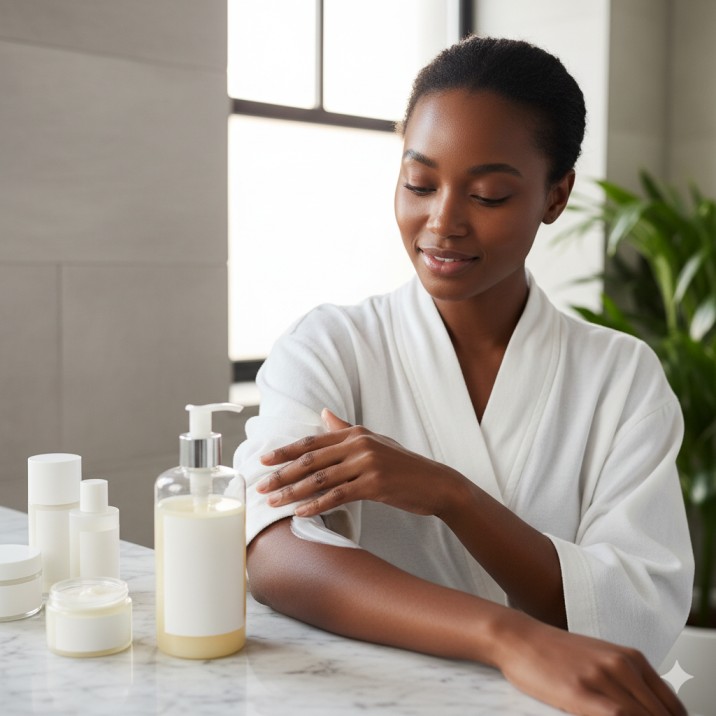
There is no shortage of skincare products claiming to deliver brighter, more radiant skin. But when it comes to Vitamin C body lotions specifically, the gap between a well-made product and a poorly formulated one is significant, and your skin will tell the difference over time.
Vitamin C is one of the most clinically supported topical ingredients available. On the body, it works to counteract UV-related oxidative stress, suppress melanin overproduction, and stimulate collagen synthesis in skin that has started to lose its firmness. The challenge is finding Vitamin C body lotions where the active ingredient is present in a form that is both stable and bioavailable, and backed by formulation choices that actually support delivery.
Below, we review five Vitamin C body lotions that meet that standard, with honest assessments of what each one does well and where it has limitations.
Why Does Vitamin C Work Differently on the Body Than the Face?
The skin on the body is thicker, covers more surface area, and, particularly on the arms, legs, and torso, tends to receive less daily care than facial skin. This means that when dark spots, uneven tone, and dullness develop on the body, they are often more entrenched. Vitamin C body lotions must work harder and be applied more liberally than facial serums to achieve comparable results.
There is also a climate factor. In tropical regions, the combination of high UV exposure and heat accelerates oxidative skin damage. Using Vitamin C body lotions in these environments is not just a cosmetic choice, it is a form of daily skin maintenance with meaningful long-term impact.
The common mistake is treating a Vitamin C body lotion as a moisturiser with added benefits. For best results, think of it as an active treatment that also moisturises, the sequence of that priority matters to how you select and use the product.
Which Vitamin C Body Lotion Is Best for Daily Hydration?
1. Olay Revitalising & Hydrating Vitamin C Body Lotion
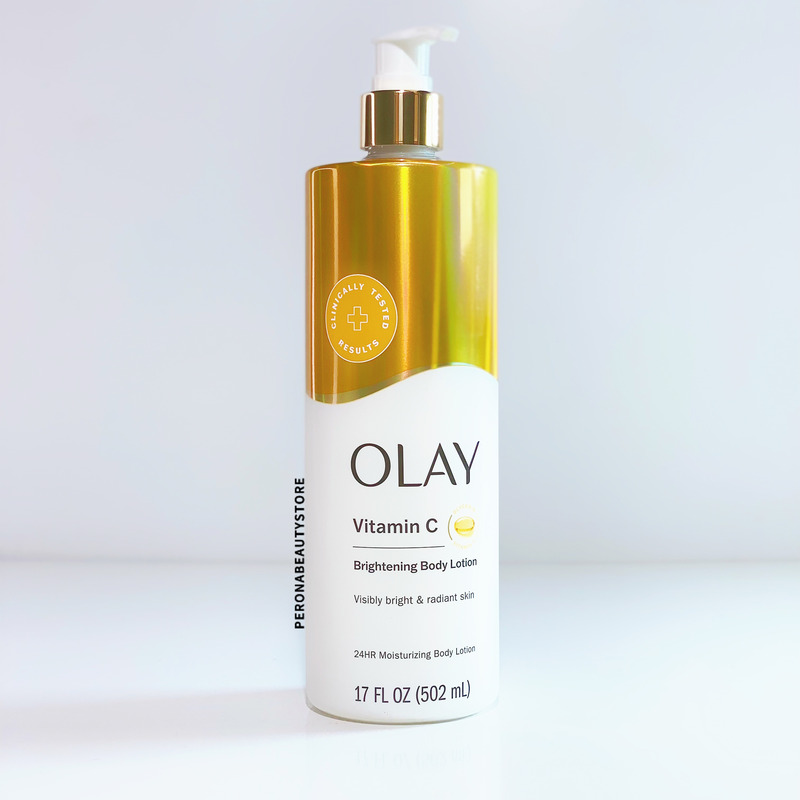
If your primary skin concern is consistent hydration alongside brightness, Olay’s Vitamin C body lotion is built for exactly that. The formula combines Vitamin C with a carefully chosen antioxidant complex that serves a dual purpose: protecting the skin from environmental aggressors while also stabilising the Vitamin C itself so it remains active longer on the skin surface.
The texture is lightweight and non-sticky, which means it can be applied as part of a morning routine without any disruption to getting dressed. Over consistent use, the combination of deep hydration and antioxidant activity produces a noticeable improvement in skin softness and a subtle but genuine glow.
Pros:
- Antioxidant complex supports Vitamin C stability for extended activity
- Fast-absorbing texture suitable for busy morning routines
- Delivers visible softness and a natural radiance over time
- Widely trusted brand with accessible pricing
Cons:
- Brightening results are slower compared to higher-concentration formulas
- Fragrance may be an issue for sensitive or reactive skin
2. Garnier Bright Complete Vitamin C Body Serum Lotion
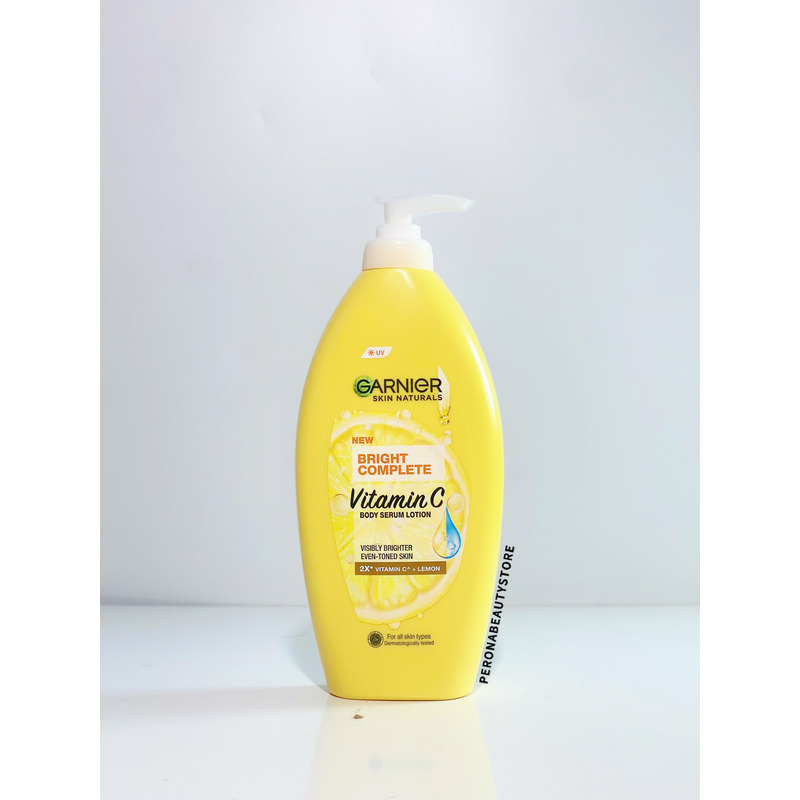
Garnier’s serum-lotion sits at the lighter end of the Vitamin C body lotion spectrum, deliberately so. By combining Vitamin C with Japanese Yuzu Lemon extract, Garnier has created a formula that leans heavily into brightening and tone-evening rather than intensive moisturisation. The serum-like consistency absorbs within moments of application, making it one of the more convenient options for all-over body use.
The 24-hour hydration claim is realistic for normal skin, though users with genuinely dry skin may find they need to layer it with a richer moisturiser. As Vitamin C body lotions go, this one is particularly well-suited to individuals dealing with general dullness, sun-induced uneven tone, or the effects of city living on the skin.
Pros:
- Serum-lotion texture absorbs quickly with no residue
- Japanese Yuzu Lemon amplifies natural brightening activity
- Addresses dullness and uneven tone effectively
- Formulated for all skin types
Cons:
- Not sufficient as a standalone moisturiser for dry skin
- Ongoing use is essential, results do not persist without consistency
Do Vitamin C Body Lotions Actually Fade Dark Spots?
This is the question most people are actually asking when they search for Vitamin C body lotions, and the answer is yes, with qualifications. Vitamin C inhibits tyrosinase, the enzyme responsible for converting amino acids into melanin. Less melanin activity means existing dark spots gradually lose their intensity and new ones are less likely to form.
The time frame is important to set honestly: most people need four to eight weeks of daily use before they notice meaningful improvement in hyperpigmentation. Formulas that combine Vitamin C with additional brightening ingredients such as turmeric, kojic acid, or botanical extracts may accelerate this timeline modestly.
3. Medix 5.5 Vitamin C Cream with Turmeric
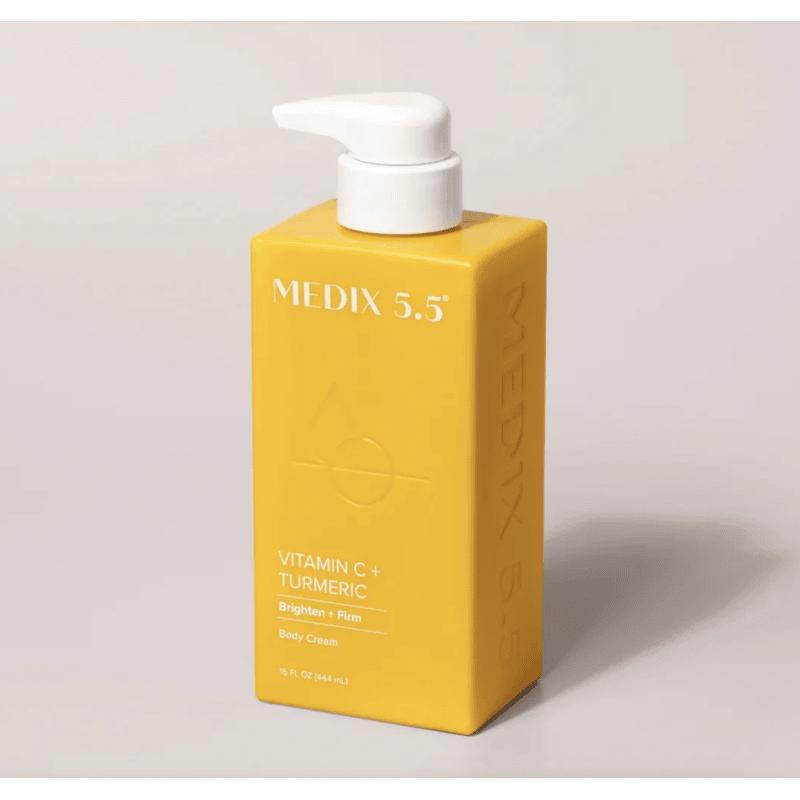
Medix 5.5 is one of the few Vitamin C body lotions that directly addresses both oxidative stress and inflammation as contributors to uneven skin tone. Turmeric’s active compound, curcumin, has documented anti-inflammatory properties that help calm the skin response that often leads to post-inflammatory hyperpigmentation, a particular concern for deeper skin tones.
The cream also works on skin elasticity, which makes it a practical choice for anyone managing both tone concerns and early signs of skin sagging. It is formulated for both face and body, giving it versatility that most body-specific products cannot offer.
Pros:
- Turmeric and Vitamin C combination targets tone unevenness from two angles
- Supports skin elasticity alongside brightening
- Suitable for face and body application
- Anti-inflammatory action benefits reactive or sensitive skin
Cons:
- Rich cream consistency can feel heavy in hot, humid weather
- Turmeric pigment may temporarily transfer onto light fabrics if product is not fully absorbed
Which Vitamin C Body Lotion Works Best for Dry or Damaged Skin?
4. Advanced Clinicals Vitamin C Brightening Cream
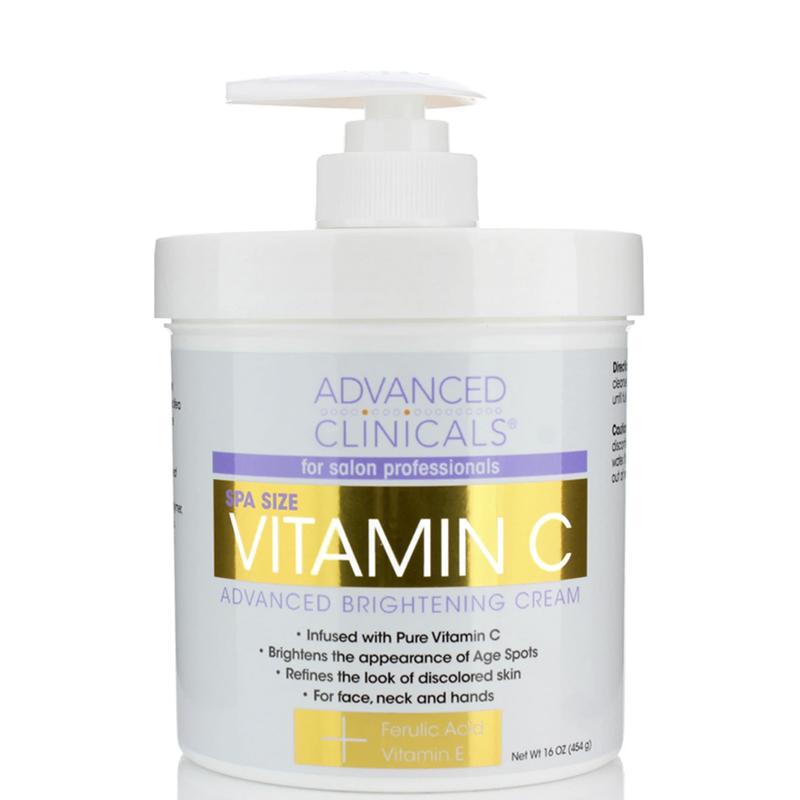
Advanced Clinicals stands out among Vitamin C body lotions for the depth of its supporting ingredient list. The formula uses a concentrated aloe vera base, not water, which functions as a bioavailable carrier that allows ingredients to penetrate more effectively. Layered on top of this base are Vitamin C, Vitamin E, green tea extract, coconut oil, and jojoba oil.
This combination is particularly effective for skin that is dry, dehydrated, or has been affected by environmental damage. The oils provide a seal over the moisture delivered by aloe, while the antioxidants work at a deeper level. Advanced Clinicals also highlights the product’s performance on stretch marks and sagging areas, evidence that regular antioxidant and moisture support can visibly improve surface texture in these zones over time.
Pros:
- Aloe vera base enhances absorption and ingredient delivery
- Vitamin E extends the active period of Vitamin C in the formula
- Strong nourishing profile with natural oils and green tea
- Effective for stretch marks, dull areas, and dehydrated skin
Cons:
- Rich texture is unsuitable for oily or acne-prone skin on the body
- Takes several minutes to absorb fully, not ideal for rushed routines
What Makes Vitamin C Body Lotions Different for African Skin?
African and melanin-rich skin tones have specific needs that many mainstream Vitamin C body lotions do not address directly. The higher melanin density in these skin types means that inflammatory responses, from shaving, friction, or sun exposure, leave behind darker marks more readily. Managing this requires not just Vitamin C, but formulas that combine it with deep hydration and calming ingredients to reduce the inflammatory trigger in the first place.
Based on experience working with African skin types, at Skin By Zaron the focus has always been on even-toning that enhances the skin’s natural depth rather than altering it. That philosophy shapes every Vitamin C body lotion in their range.
5. Skin By Zaron Vitamin C Brightening & Moisturising Body Lotion
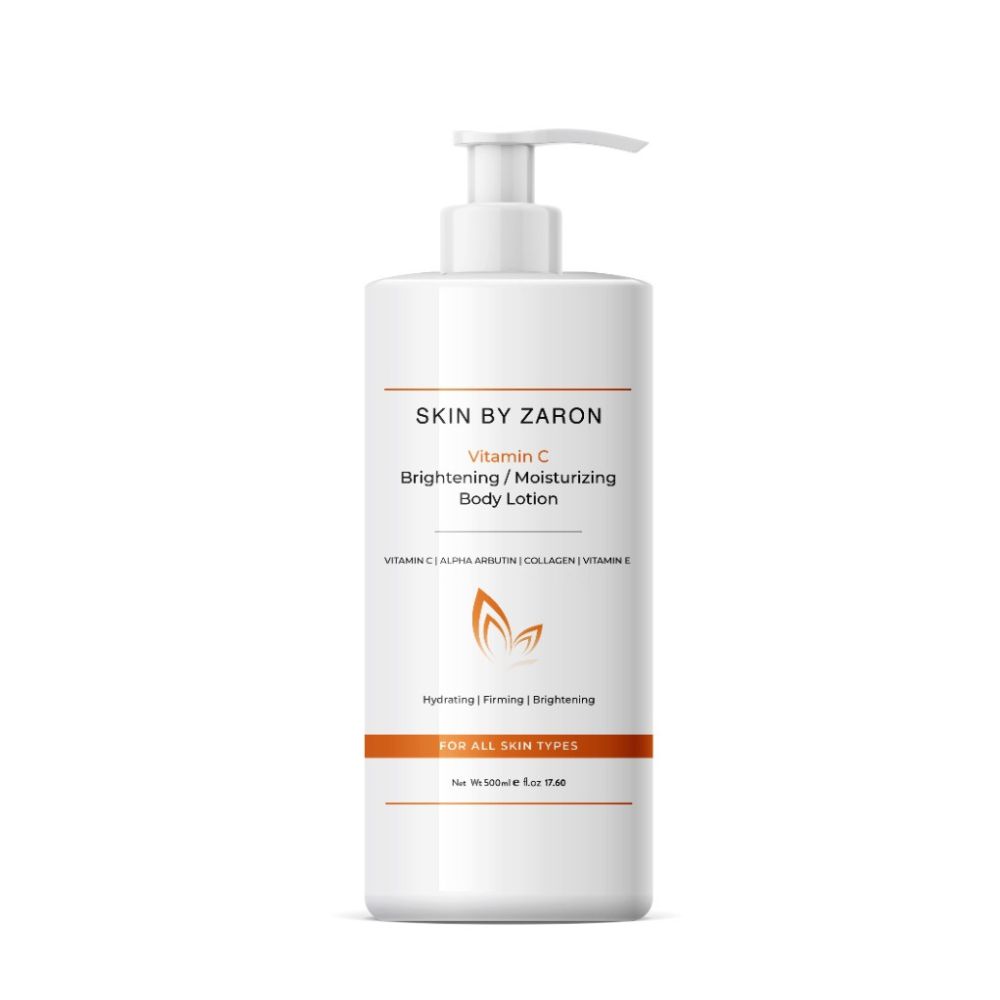
Skin By Zaron’s Vitamin C body lotion combines the brightening power of Vitamin C with hyaluronic acid, which works by attracting water molecules into the skin and holding them there, and a blend of botanical extracts chosen for their ability to calm and even the complexion. The result is a lotion that hydrates deeply, brightens progressively, and does not leave a greasy finish even in warm weather.
For users across West Africa, this product addresses the real environmental conditions that affect skin daily: a high UV index, heat, and humidity. It performs consistently in those conditions without breaking down or turning the skin greasy.
Pros:
- Hyaluronic acid provides genuine deep hydration that lasts
- Formulated with African skin conditions and complexions in mind
- Non-greasy finish works well in tropical climates
- Brightens without bleaching, supports natural skin tone
Cons:
- Distribution is primarily within African markets, limiting global accessibility
- Severe hyperpigmentation requires extended use and patience
How Often Should You Apply Vitamin C Body Lotions?
Once daily is sufficient for most Vitamin C body lotions, applied directly after bathing. The post-shower application window is important: skin that is still slightly damp absorbs active ingredients more readily, and applying lotion at this stage also seals in the moisture that bathing has drawn to the surface.
For those in high-UV environments, which includes most of Nigeria and sub-Saharan Africa, applying Vitamin C body lotions in the morning makes strategic sense. Vitamin C applied before sun exposure boosts the skin’s capacity to manage UV-induced free radical damage throughout the day. This does not replace sunscreen, but it meaningfully reinforces it.
One common failure point: people apply Vitamin C body lotions for two or three weeks, see modest results, and stop. This is precisely when the compound effect of consistent use is beginning to take hold. The most noticeable improvements in evenness and brightness typically arrive between weeks five and eight.
Choosing the Right Formula for Your Skin
Vitamin C body lotions are not one-size-fits-all. The right choice depends on what your skin is actually dealing with. If dullness and general uneven tone are your concern, Garnier or Olay will serve you well. If dark spots and firmness are the priority, Medix 5.5 or Advanced Clinicals offer more targeted formulation support. If your skin is melanin-rich and prone to post-inflammatory darkening in a warm climate, Skin By Zaron is the most contextually appropriate choice on this list.
What these five Vitamin C body lotions share is a commitment to the ingredient as an active rather than a decoration. The difference between genuinely glowing, even-toned skin and skin that simply feels moisturised often comes down to that distinction, and to choosing a product that respects it. Pick the formula that matches your skin’s actual needs, apply it consistently, protect your skin from the sun, and let the results build over time. That is how Vitamin C body lotions actually work.
Frequently Asked Questions About Vitamin C Body Lotions
Can I layer a Vitamin C body lotion with other skincare products?
Yes. Vitamin C body lotions pair well with SPF, plain body moisturisers, and hyaluronic acid-based products. Apply Vitamin C body lotions first as the active layer, allow it to absorb for a few minutes, then follow with a heavier moisturiser if your skin needs additional hydration. Avoid layering with benzoyl peroxide or strong exfoliating acids on the same area, as these can deactivate or compete with the Vitamin C.
Why does my Vitamin C body lotion smell slightly sour or tangy?
That is a normal characteristic of ascorbic acid, the active form of Vitamin C. A light, citrus-like or mildly tangy scent does not indicate a problem with the product. However, if the lotion smells strongly rancid, has changed colour to dark orange or brown, or has separated in the bottle, that is oxidation, the Vitamin C has degraded and the product is no longer effective. Store your Vitamin C body lotions away from direct sunlight and heat to extend their shelf life.
Is there a difference between Vitamin C body lotions and Vitamin C serums for the body?
Yes — concentration, texture, and absorption rate differ significantly. Body lotions are formulated to cover large surface areas efficiently and typically include more moisturising agents. Vitamin C body serums, like the Garnier Bright Complete, have a thinner consistency and are designed for faster, deeper absorption. Neither is inherently superior; the right choice depends on whether your priority is intensive moisture or faster brightening action.
Which Vitamin C body lotion is best for someone with very dark skin?
For very dark skin tones, particularly those prone to hyperpigmentation, the most important criteria are: a Vitamin C body lotion with anti-inflammatory support, meaningful hydration, and no bleaching agents. Skin By Zaron’s formula is designed precisely for this need. Medix 5.5 with Turmeric is also a strong option given turmeric’s ability to calm the inflammatory response that drives pigmentation deepening in melanin-rich skin.
Can men use Vitamin C body lotions?
Absolutely. Vitamin C body lotions are not gender-specific, the skin biology is the same regardless of gender, and men face the same challenges of hyperpigmentation, dullness, and uneven tone. Men who shave body hair in particular may benefit significantly from Vitamin C body lotions, as shaving creates micro-inflammation that leads to dark spots over time. A non-greasy formula such as Garnier or Skin By Zaron is typically the most practical choice for men preferring a lightweight finish.
How should I store Vitamin C body lotions to stop them going off?
Store Vitamin C body lotions in a cool, dry place away from direct sunlight. Bathroom shelves near windows or shower steam are poor storage locations, as both heat and humidity accelerate oxidation. Some people store Vitamin C products in a skincare fridge, which extends shelf life further. Always ensure the cap or pump is properly closed after each use to minimise air exposure.