

Dark spots and facial redness rarely exist in isolation. They often share the same root cause: inflammation that disrupts normal pigment regulation. Treating one without addressing the other usually leads to incomplete or short-lived results.
Azelaic acid has gained attention because it addresses both concerns at once. This article explains how azelaic acid for dark spots works in real skin, why it performs well on redness-prone complexions, and which formulations deliver meaningful results without compromising skin stability.
Why Azelaic Acid Improves Dark Spots and Redness Together
Azelaic acid improves dark spots and redness by targeting inflammation-driven pigment production. Redness increases melanocyte activity. Increased melanocyte activity deepens dark spots.
Azelaic acid interrupts this cycle. It reduces inflammatory signals in the skin while slowing excess melanin production. This combined action explains why azelaic acid for dark spots is effective on post-acne marks, redness-linked discolouration, and uneven tone.
This dual benefit sets it apart from ingredients that focus only on exfoliation or surface brightening.
Why Dark Spots Often Persist Despite Treatment
Dark spots persist when treatments irritate the skin.
Many popular brightening products rely on strong exfoliation. While this may lighten pigment initially, it often weakens the skin barrier. A compromised barrier increases inflammation. Inflammation triggers more pigment production.
Azelaic acid for dark spots works through regulation rather than force. It corrects pigment gradually while maintaining barrier function. This is why it is commonly recommended for sensitive, acne-prone, and rosacea-prone skin.
How Azelaic Acid Targets Pigment Without Damaging the Skin Barrier
Azelaic acid is a multifunctional active with antibacterial, anti-inflammatory, and pigment-normalising properties.
It supports clearer skin by:
- Reducing inflammatory pathways that stimulate pigment
- Slowing abnormal melanin synthesis
- Improving texture by normalising keratin production
- Limiting acne-causing bacteria that lead to post-inflammatory marks
This balanced activity allows azelaic acid for dark spots to work steadily without triggering rebound pigmentation.
How Long Does Azelaic Acid Take to Fade Dark Spots?
Early improvements in skin clarity often appear within four weeks. Visible fading of dark spots typically occurs between eight and twelve weeks with consistent use.
Azelaic acid for dark spots delivers gradual improvement. Faster changes usually indicate irritation rather than true correction. Long-term clarity depends on consistency and barrier support.
Who Benefits Most From Azelaic Acid for Dark Spots
Azelaic acid is particularly helpful for:
- Post-acne dark marks
- Redness-associated pigmentation
- Uneven tone linked to sensitivity
- Skin that reacts poorly to retinoids or exfoliating acids
At Perona Beauty, our experience working with pigment-prone skin shows that calming inflammation is often the missing step in long-term tone correction.
Azelaic Acid Formulas That Support Clearer Skin
Different formulations influence how azelaic acid performs. Concentration matters, but supporting ingredients determine comfort and consistency.
Anua Azelaic Acid 10% + Hyaluron Redness Soothing Serum
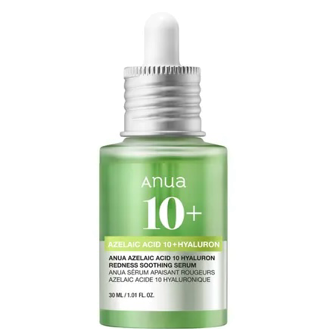
This serum focuses on reducing redness while supporting hydration, making it suitable for inflammation-driven pigmentation.
Pros
- Calms redness while addressing uneven tone
- Hydrating formula reduces dryness risk
- Lightweight and non-comedogenic
- Suitable for sensitive and rosacea-prone skin
Cons
- Results develop gradually
- May feel mild for deep, long-standing dark spots
NineLess A Control 10% Azelaic Acid Serum
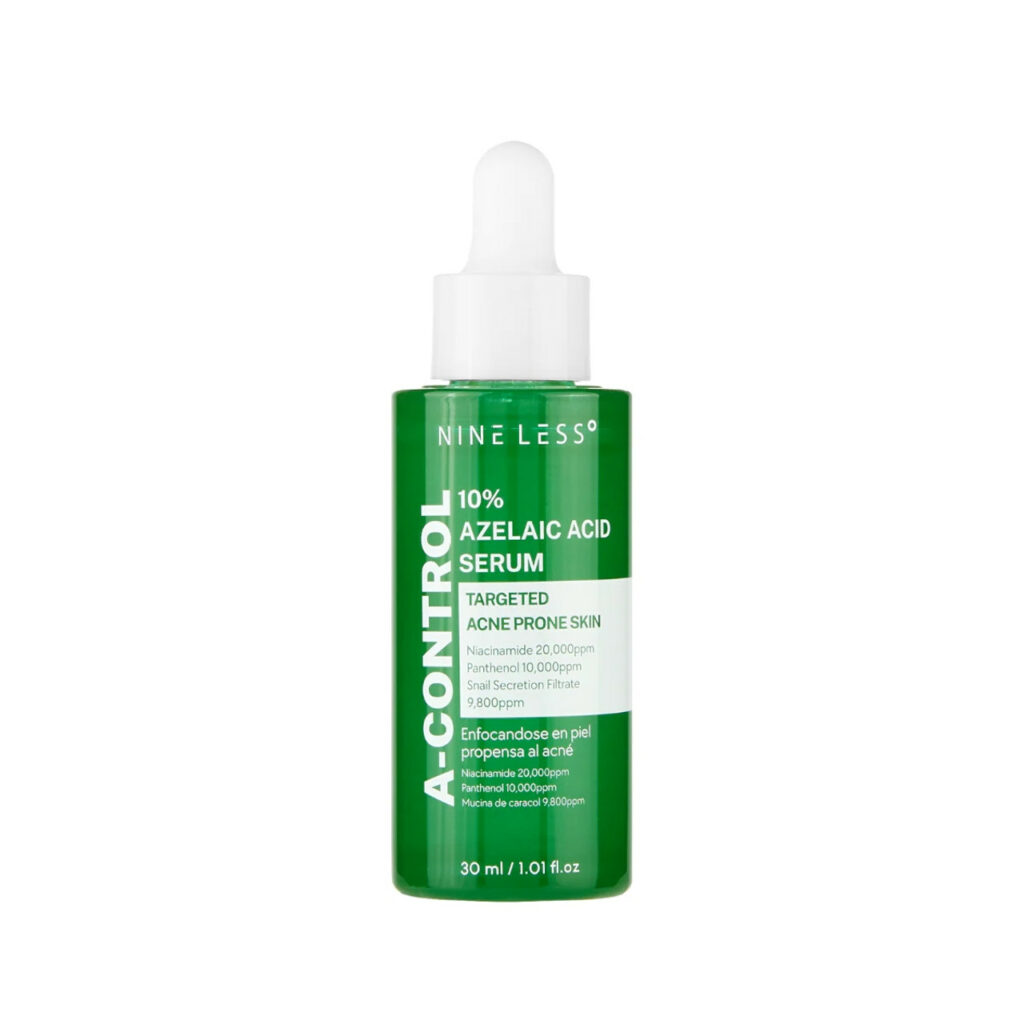
This serum targets blemishes alongside tone irregularities.
Pros
- Helps fade post-acne dark spots
- Reduces redness linked to breakouts
- Lightweight texture absorbs quickly
- Suitable for daily use
Cons
- Limited barrier-support ingredients
- May require added moisturisation
Revox B77 Just Azelaic Acid 10%
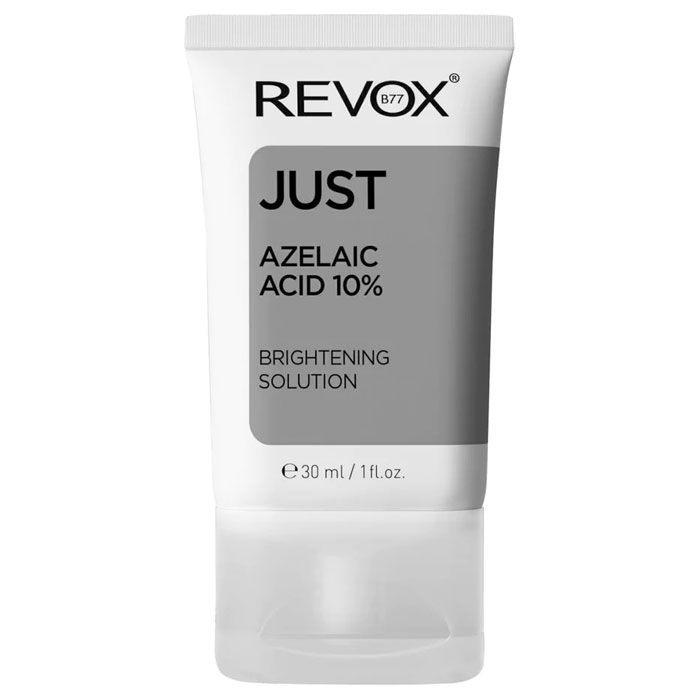
A minimal formula designed for targeted correction.
Pros
- Focuses directly on dark spots and redness
- Suitable for layering with other treatments
- Helps refine uneven texture
- Works well for oily and combination skin
Cons
- Minimal soothing support
- Can feel drying without proper hydration
Nineless A Control Azelaic Acid Toner
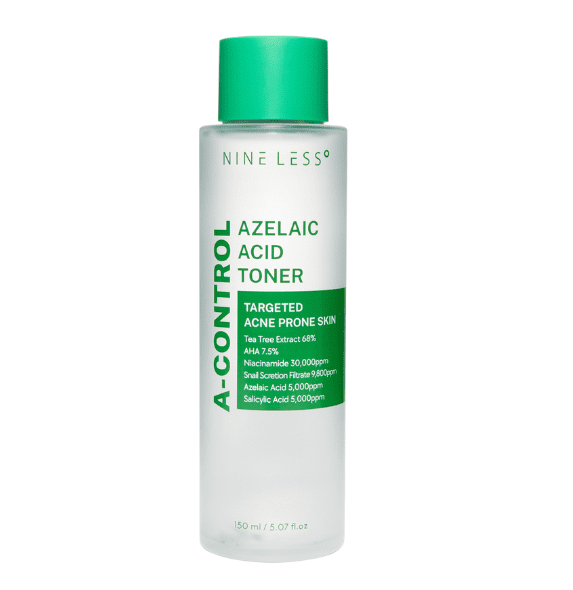
This toner combines azelaic acid support with gentle exfoliation.
Pros
- Improves dullness and surface tone
- Helps prevent new dark marks
- Prepares skin for treatment products
- Lightweight and refreshing
Cons
- Not suitable for compromised barriers
- Overuse may increase sensitivity
How to Use Azelaic Acid for Dark Spots Without Worsening Redness
Azelaic acid performs best on calm, hydrated skin. Applying it too frequently or pairing it with strong exfoliants often reduces effectiveness.
Use azelaic acid in the evening, followed by a barrier-supporting moisturiser. Daily sun protection is critical. Dark spots fade more reliably when UV exposure is controlled.
Is Azelaic Acid Better Than Vitamin C for Dark Spots and Redness?
Azelaic acid and vitamin C correct dark spots through different mechanisms.
Vitamin C focuses on surface brightness and antioxidant protection. It works well for dullness but often struggles with redness-linked pigmentation.
Azelaic acid for dark spots addresses the root trigger. It calms inflammation while regulating pigment production. This makes it more reliable for post-acne marks, redness-prone skin, and uneven tone that flares easily.
For sensitive skin, azelaic acid is often better tolerated over long-term use.
Can Azelaic Acid Replace Retinoids for Pigmentation?
Azelaic acid does not replace retinoids. It complements them.
Retinoids accelerate cell turnover. Azelaic acid for dark spots controls inflammation and pigment formation. Used together on alternating nights, they address pigmentation through multiple pathways without overloading the skin.
When used alone, azelaic acid is often preferred by those who cannot tolerate retinoids.
Why Some Dark Spots Fade While Others Do Not
Dark spots fade unevenly because not all pigmentation sits at the same depth.
Surface-level marks respond quickly. Deeper pigment embedded in the dermis improves slowly. Redness-driven pigmentation also persists longer because inflammation continues to stimulate melanin.
Azelaic acid for dark spots improves outcomes by reducing inflammatory triggers while the skin renews itself. This explains why progress appears gradual but stable.
How Climate and Lifestyle Affect Azelaic Acid Results
Environmental stress increases inflammation. Heat, humidity, pollution, and friction all influence pigment behaviour.
Azelaic acid adapts well across climates, but hydration and sun protection remain critical. Without these, pigment correction rarely holds.
Consistency matters more than frequency. Stable routines outperform aggressive cycles.
When Azelaic Acid Is Not Enough on Its Own
Some pigmentation requires professional intervention.
Hormonal melasma, long-standing dermal pigmentation, or pigment linked to medical conditions often needs combined approaches. Azelaic acid for dark spots still plays a role, but expectations should remain realistic.
Understanding limitations protects the skin from overtreatment.
What Azelaic Acid for Dark Spots Means for Long-Term Skin Clarity
Azelaic acid does not rely on force. It relies on control.
It controls inflammation that fuels pigmentation. It controls bacteria that lead to post-acne marks. It controls abnormal pigment signals without destabilising the skin barrier.
This is why azelaic acid for dark spots remains a cornerstone treatment for redness-prone and sensitive skin. Improvement may be gradual, but it is consistent and sustainable.
At Perona Beauty, our practitioner-led philosophy prioritises clarity that lasts. Azelaic acid fits that approach because long-term pigment correction depends on calm, resilient skin rather than aggressive intervention.
For those seeking even tone without sacrificing skin stability, azelaic acid offers a dependable path forward.
Frequently Asked Questions About Azelaic Acid for Dark Spots
Can azelaic acid be used every day for dark spots?
Yes. Azelaic acid for dark spots can be used daily if the skin tolerates it. Many people start once daily and adjust based on comfort.
Does azelaic acid bleach the skin?
No. Azelaic acid targets abnormal pigment production without altering natural skin tone. It fades dark spots while preserving overall complexion balance.
Is azelaic acid suitable for deeper skin tones?
Yes. Azelaic acid for dark spots is considered safe for deeper skin tones because it does not disrupt normal melanin function or trigger rebound pigmentation.
Can azelaic acid cause purging?
Purging is uncommon. Mild tingling or temporary redness may occur initially, but azelaic acid is generally well tolerated compared to exfoliating acids.
What should not be combined with azelaic acid?
Strong exfoliating acids used simultaneously may increase irritation. Separating actives by time or day improves tolerance and results.