
When skin feels persistently tight, reactive, or uncomfortable, the issue often runs deeper than surface dryness. A weakened skin barrier allows moisture to escape and irritants to penetrate, leading to sensitivity, redness, and breakouts that feel difficult to control.
Ceramide creams for damaged skin barrier conditions address this problem at its source. This article explains why barrier damage happens, why many moisturisers fail to correct it, and which ceramide-based formulas provide meaningful repair rather than short-term relief.
What Causes the Skin Barrier to Become Damaged?
Skin barrier damage develops when the lipid structure that holds skin cells together becomes depleted or disrupted.
This commonly occurs due to:
- Overuse of exfoliating acids or retinoids
- Harsh or foaming cleansers
- Environmental exposure such as heat, wind, or pollution
- Chronic inflammation from acne or sensitivity
Once ceramides are lost, the skin struggles to regulate moisture. Ceramide creams for damaged skin barrier repair help restore this structural weakness instead of masking dryness.
Why Hydrating Moisturisers Alone Do Not Repair the Skin Barrier
Hydration and barrier repair are not the same.
Hydrating moisturisers add water to the skin, but without sufficient lipids, that moisture evaporates quickly. This leads to repeated cycles of dryness and discomfort.
Ceramide creams for damaged skin barrier conditions work because they replenish essential lipids. These lipids reinforce the barrier, helping the skin retain hydration and defend itself against irritation.
This distinction explains why some moisturisers feel comforting at first but fail to deliver lasting improvement.
How Ceramide Creams Support Long-Term Skin Stability
Ceramides are skin-identical lipids. When applied topically, they integrate into the existing barrier structure rather than sitting on the surface.
Over time, ceramide creams for damaged skin barrier support:
- Reduced transepidermal water loss
- Improved tolerance to skincare products
- Fewer inflammatory flare-ups
- More consistent moisture levels
This gradual stabilisation allows the skin to recover and function normally again.
How Long Does It Take for Ceramide Creams to Repair the Barrier?
Initial comfort often improves within a few days. Structural repair typically takes two to four weeks of consistent use.
Ceramide creams for damaged skin barrier repair act cumulatively. The goal is not instant softness, but reduced reactivity and improved resilience over time.
Who Benefits Most From Ceramide Creams for Damaged Skin Barrier Repair
Ceramide-based care is particularly helpful for:
- Sensitive or reactive skin
- Acne-prone skin weakened by treatments
- Dry or dehydrated skin
- Eczema-prone or compromised skin
- Skin recovering from over-exfoliation
At Perona Beauty, our experience working with compromised skin shows that restoring the barrier often resolves multiple concerns at once, including redness, breakouts, and dehydration.
Ceramide Creams That Support Real Skin Barrier Repair
Ceramide creams are not interchangeable. Texture, supporting ingredients, and finish determine whether a product truly repairs the barrier or simply masks dryness. Here is a closer, more practical look at how each option performs in daily use.
Estelin Ceramide + Centella (Repair) Cream
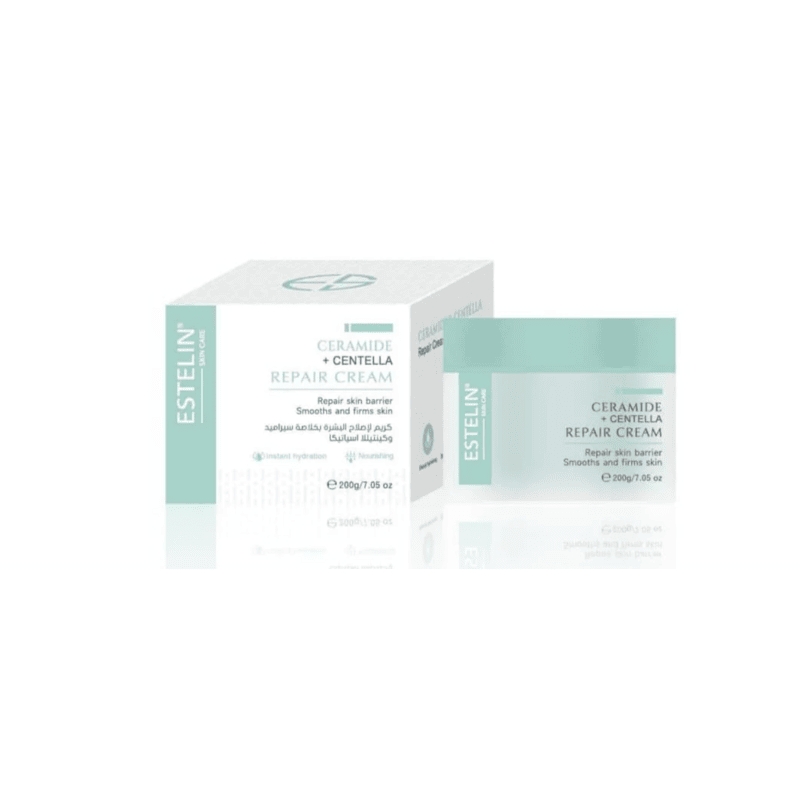
This cream is designed for skin that feels unsettled rather than just dry. It targets irritation, sensitivity, and moisture loss at the same time, making it suitable for periods when the skin barrier feels fragile.
The ceramide content works to rebuild the lipid structure of the skin, while Centella Asiatica helps calm visible redness and discomfort. The formula has a comforting cream texture that spreads easily and absorbs without leaving a greasy residue when applied in moderate amounts.
It works especially well as a recovery cream after exfoliation, retinoid use, or environmental stress such as heat and wind.
Pros
- Helps restore weakened barrier lipids while calming irritation
- Supports long-lasting hydration without heavy occlusion
- Reduces redness and sensitivity linked to barrier damage
- Suitable for dry, sensitive, or compromised skin
Cons
- Can feel rich on oily skin during the day
- May be better suited to evening use in humid climates
Face Facts Ceramide Oil Control Moisturising Gel Cream
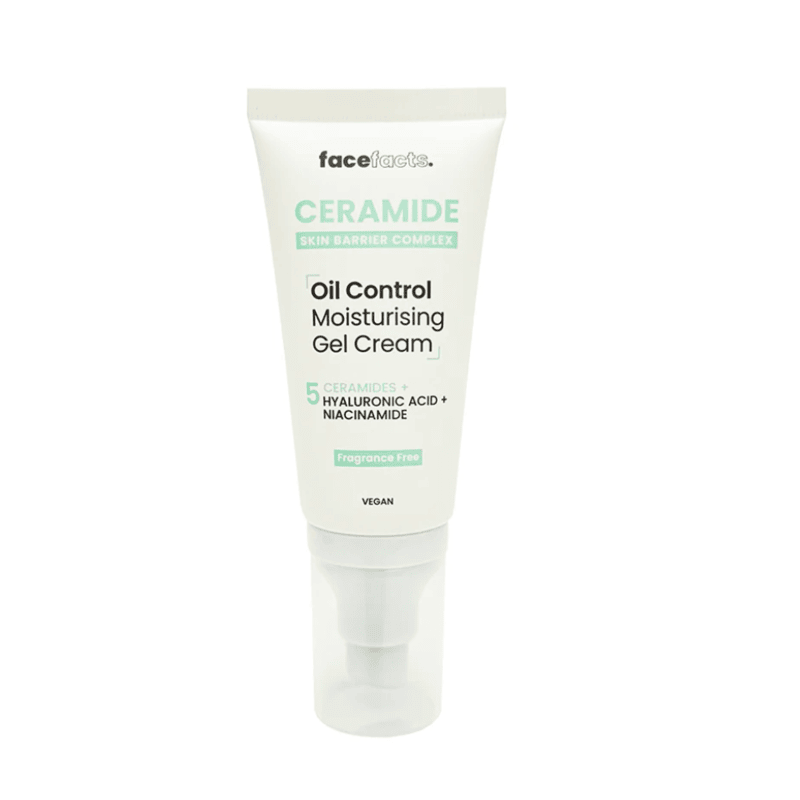
This gel cream is formulated for skin that needs barrier support without additional heaviness. It is particularly useful for oily or combination skin that becomes dehydrated but reacts poorly to rich creams.
The lightweight gel texture absorbs quickly and leaves a soft, matte finish. Ceramides help maintain the skin barrier, while the oil-controlling elements prevent excess shine throughout the day. It functions best as a maintenance product rather than an intensive repair treatment.
This cream fits easily into morning routines and layers well under sunscreen and makeup.
Pros
- Lightweight texture ideal for oily and combination skin
- Supports daily barrier maintenance with ceramides
- Helps control excess oil without drying the skin
- Comfortable for daytime wear
Cons
- Not sufficient for severely damaged barriers
- May need to be paired with a richer night cream
Illiyoon Ceramide Ato Concentrate Cream
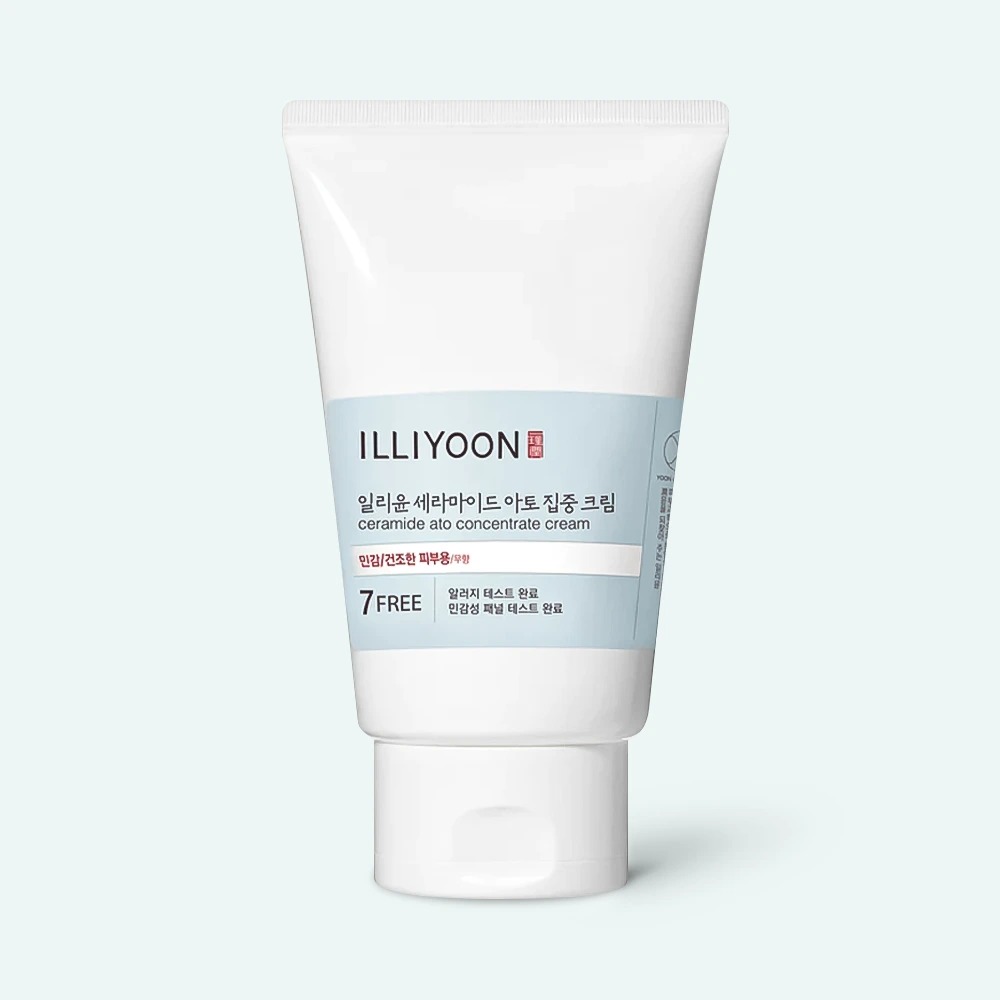
This is a high-intensity barrier repair cream formulated for skin that struggles with persistent dryness, irritation, or sensitivity. It focuses on replenishing skin-identical ceramides and reducing moisture loss over extended periods.
The texture is dense and balm-like, designed to seal in hydration and protect the skin overnight. It is especially effective for compromised skin barriers caused by eczema, over-cleansing, or harsh treatments.
Because of its richness, it performs best as an evening moisturiser or during colder weather.
Pros
- Provides deep, long-term barrier repair
- Reduces tightness, flaking, and irritation
- Suitable for sensitive and eczema-prone skin
- Fragrance-free and well tolerated
Cons
- Thick texture may feel heavy on oily skin
- Less suitable for daytime use under makeup
FaceFacts Ceramide Moisturising Face Gel Cream
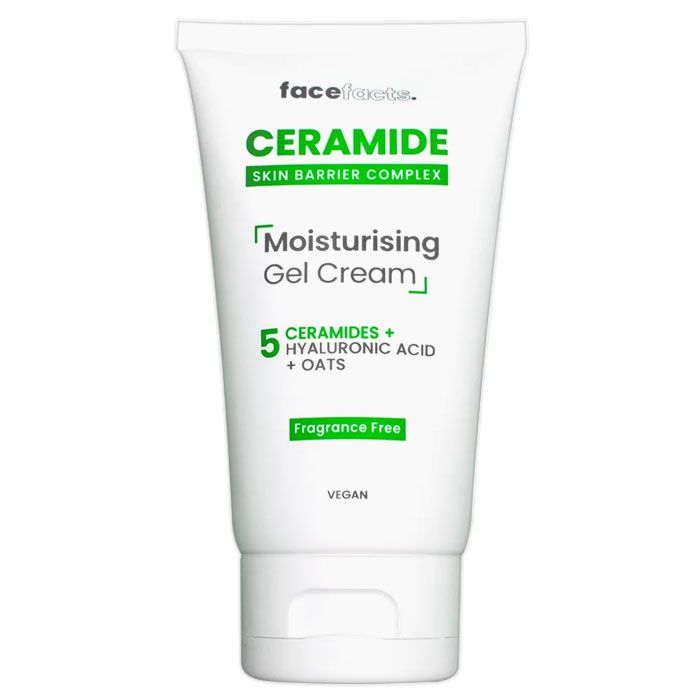
This gel cream is designed for everyday comfort and hydration rather than intensive repair. It works well for skin that feels mildly dehydrated or slightly sensitised but not severely compromised.
The lightweight formula delivers moisture quickly and helps maintain the skin’s barrier with ceramide support. It leaves a fresh, non-sticky finish and suits simple routines where ease of use matters.
It is best viewed as a barrier-support product rather than a recovery treatment.
Pros
- Lightweight hydration for daily use
- Helps maintain moisture balance with ceramides
- Non-greasy and comfortable on the skin
- Layers well with other skincare products
Cons
- Not strong enough for severe barrier damage
- Limited overnight repair for very dry skin
How to Build a Routine Around Ceramide Creams for a Damaged Skin Barrier
Barrier repair works best when the routine is simplified. Ceramide creams perform poorly in cluttered routines filled with competing actives.
Morning Routine
Morning care should focus on comfort and protection.
Use a gentle, non-foaming cleanser. Apply a ceramide cream suited to your skin type. Lighter gel creams work well for oily skin, while richer creams provide better comfort for dry or sensitive skin.
Always finish with sunscreen. Even the most effective ceramide creams for damaged skin barrier repair cannot maintain progress without daily UV protection.
Evening Routine
Evening routines should prioritise recovery.
Cleanse gently and avoid strong exfoliants. Apply your ceramide cream to slightly damp skin to reduce moisture loss overnight. Richer ceramide formulations often perform best in the evening, when the skin naturally focuses on repair.
Consistency matters more than layering. One well-chosen ceramide cream applied daily delivers better results than multiple corrective products used inconsistently.
Why Barrier Repair Improves Other Skin Concerns
Barrier repair often resolves multiple concerns at once.
When the barrier is weak, skin becomes inflamed. Inflammation worsens acne, pigmentation, and sensitivity. Ceramide creams for damaged skin barrier repair reduce this inflammation by restoring lipid balance.
As the barrier strengthens, the skin tolerates treatments better, retains moisture more effectively, and reacts less to environmental stress. This creates conditions where other skincare steps finally begin to work.
Common Mistakes That Delay Skin Barrier Recovery
One frequent mistake is continuing to use strong actives during barrier repair. This slows healing and increases sensitivity.
Another issue is switching products too often. Barrier repair requires consistency. Changing ceramide creams frequently prevents the skin from stabilising.
Finally, harsh cleansing undermines progress. Even a well-formulated ceramide cream cannot repair a barrier that is stripped daily.
Signs Your Skin Barrier Is Recovering and Becoming More Resilient?
Signs of healing include reduced redness, fewer stinging sensations, improved moisture retention, and more consistent skin texture.
Ceramide creams for damaged skin barrier repair support these changes gradually. Comfort improves first. Visible stability follows.
Why Ceramide Creams Play a Long-Term Role in Skin Barrier Strength
Barrier repair is not about appearance alone. It is about function.
Skin that holds moisture, resists irritation, and regulates itself effectively becomes clearer, calmer, and more resilient over time. Ceramide creams for damaged skin barrier repair support this foundation by restoring the structure the skin depends on.
At Perona Beauty, our practitioner-led approach prioritises skin stability before correction. Ceramide-based care aligns with that philosophy because long-term results depend on strength, not speed.
When the barrier is supported, progress lasts. That is why ceramide creams remain one of the most reliable tools for sustainable skin health.
Frequently Asked Questions About Ceramide Creams for Damaged Skin Barrier
Can ceramide creams fully repair a damaged skin barrier?
In many cases, yes. Ceramide creams for damaged skin barrier repair replenish missing lipids and support the skin’s natural recovery process when irritants are reduced.
How long should ceramide creams be used?
Ceramide creams can be used long term. Barrier maintenance is ongoing, especially for sensitive or acne-prone skin.
Are ceramide creams suitable for acne-prone skin?
Yes. When properly formulated, ceramide creams for damaged skin barrier repair reduce inflammation and improve tolerance, which can help stabilise acne-prone skin.
Can ceramide creams be used with active ingredients?
Yes, but timing matters. During active barrier repair, reducing exfoliating acids and retinoids improves results. Once stability returns, actives can be reintroduced gradually.
Do ceramide creams clog pores?
Ceramides are skin-identical lipids and do not clog pores. Most ceramide creams for damaged skin barrier repair are designed to support balance rather than congestion.