
Acne is more than just a teenage problem. It is a common skin condition that affects people of all ages, and it can take a toll on your skin and your confidence. To better understand how to manage it, we need to break down what causes acne, the types of acne that appear, and the best ways to care for your skin when breakouts happen.
What causes acne? A closer look at the skin
To understand what causes acne, you need to know how the skin works. The sebaceous glands in the skin produce an oily substance called sebum. This oil travels up through the hair follicles and onto the surface of your skin to keep it moisturized.
Problems start when dead skin cells, excess oil, and bacteria clog those follicles. The result is inflammation, which leads to pimples, blackheads, and whiteheads. In short, acne is caused by blocked hair follicles and the build-up of oil and bacteria in the skin.
Is acne a genetic condition or lifestyle-related?
When people ask what causes acne, genetics is often part of the answer. If your parents had acne, you’re more likely to have acne too. However, lifestyle choices, skincare routines, and diet also play a significant role. Acne is not caused by just one factor. Instead, it is the interaction of the skin with both internal and external influences.
Hormonal changes and acne flare-ups
Hormones play one of the biggest roles in what causes acne. During puberty, androgen levels rise, stimulating the sebaceous glands to produce more oil. Women may be especially familiar with acne flare-ups during menstruation, pregnancy, or menopause due to hormonal fluctuations. These hormonal changes are one of the most common reasons behind persistent acne.
The role of the sebaceous glands in the skin
The sebaceous glands are directly linked to what causes acne. When they produce too much oil, it mixes with dead skin cells and bacteria, leading to clogged pores. On the skin, this process shows up as blackheads, whiteheads, and inflamed pimples.
How clogged pores are caused by daily habits
Daily habits also contribute to what causes acne. Using heavy skincare products, not washing your face after sweating, or leaving makeup on overnight can clog pores. Over time, these practices lead to the formation of acne. Even stress can cause acne by triggering hormonal imbalances in the skin.
Types of acne and how they appear on your skin
There are different types of acne, and each is caused by specific factors. Blackheads and whiteheads appear when hair follicles are blocked by oil and dead skin cells. Papules and pustules form when bacteria infect the clogged pores. Severe acne such as cystic acne occurs deeper in the skin, causing painful lumps. Knowing the types of acne helps identify what causes acne in your case.
Common triggers that make acne worse
Some everyday choices can make acne worse. Oily skincare products, high-glycemic diets, and constant skin picking can cause acne flare-ups. In addition, stress, lack of sleep, and harsh cleansers irritate the skin and worsen the symptoms of acne. Recognizing these triggers allows you to control factors that may be causing your acne.
Can acne be caused by bacteria in the skin?
Yes, bacteria play a role in what causes acne. Propionibacterium acnes (P. acnes) live on the skin naturally. But when pores become blocked, this bacteria multiplies quickly, leading to inflammation and breakouts. This is why treatments that target bacteria, like benzoyl peroxide or salicylic acid, are effective for acne.
Is acne a temporary problem or does it last?
Many people wonder if acne will go away on its own. For some, it may fade with age, but for others, acne can persist well into adulthood. That’s why understanding what causes acne in your unique situation is key. Knowing the triggers helps you treat acne effectively and prevent it from coming back.
Risk factors that can lead to acne
There are many risk factors that can lead to acne, including hormonal changes, genetics, poor skincare habits, and certain medications. These factors, combined with oil build-up in the skin, are all part of what causes acne. People with acne often have overlapping triggers that worsen the condition.
Treatment options available over the counter
Mild cases of acne can often be treated with products available over the counter. These include cleansers and creams containing benzoyl peroxide, salicylic acid, or alpha hydroxy acids. When you understand what causes acne, you can choose the right treatment that addresses oil, bacteria, and clogged pores.
When acne can be severe and require medical help
In some cases, acne can be severe and doesn’t respond to over-the-counter treatments. Severe acne is often caused by deep blockages in the skin, and it can lead to scarring if not treated properly. Dermatologists may prescribe stronger medications or procedures like chemical peels to treat acne.
Product recommendations for acne care
Understanding what causes acne is the first step. The second step is finding treatments that target those specific triggers. While lifestyle and skincare habits play a big role, the right products can be just as important in helping your skin heal. Below are some carefully selected options that support your acne treatment journey.
PanOxyl Acne Creamy Wash Benzoyl Peroxide 4% Daily Control
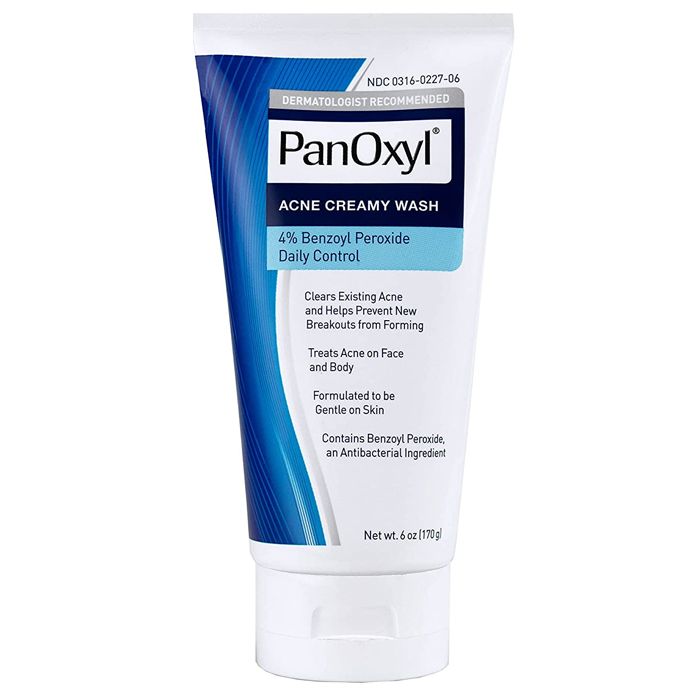
This daily creamy wash is one of the most trusted dermatologist-recommended cleansers for people with acne. It contains 4% benzoyl peroxide, which goes deep into the hair follicles to fight bacteria and unclog pores, addressing the root of breakouts. Unlike harsher formulas that strip the skin, PanOxyl balances its strength with emollients that keep your skin soft and hydrated.
Many users in Nigeria love it because it works well against acne triggered by hot weather, sweat, and oil buildup. It foams easily, spreads smoothly, and rinses clean without leaving a residue. Regular use not only clears existing pimples but also helps prevent new ones from forming. For anyone struggling to understand what causes acne in daily life, this wash is proof that a consistent routine can keep flare-ups under control.
Pros:
- Kills acne-causing bacteria inside the hair follicles
- Helps prevent new breakouts with regular use
- Gentle, creamy texture hydrates while cleansing
- Recommended by dermatologists worldwide
Cons:
- Can dry out the skin if overused
- May bleach fabrics if not rinsed properly
Neutrogena On The Spot Acne Treatment With Benzoyl Peroxide 2.5%
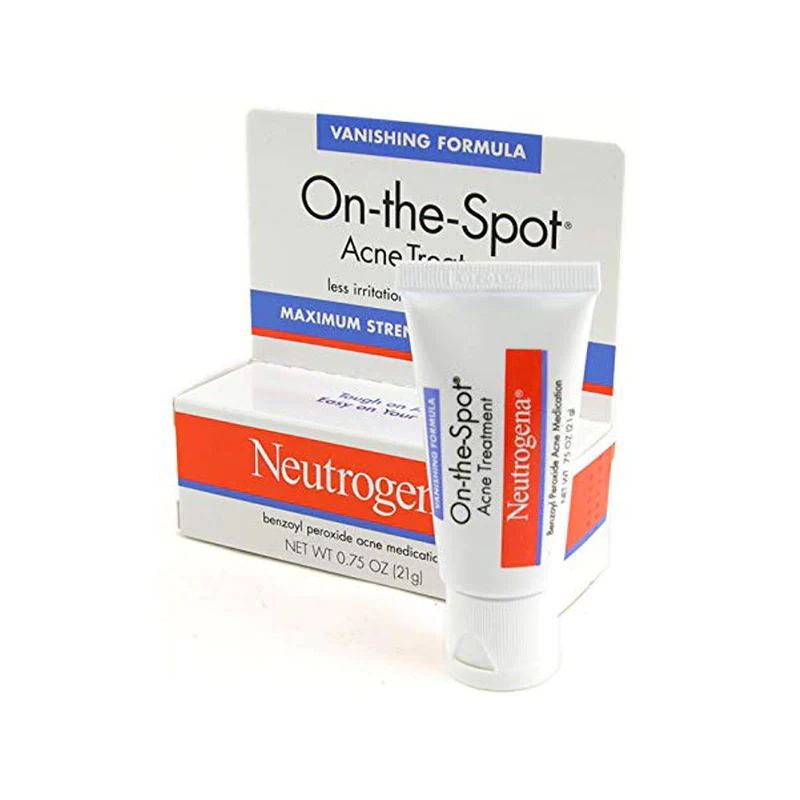
This spot treatment is designed for those moments when a breakout pops up overnight. With 2.5% benzoyl peroxide, it’s strong enough to kill acne bacteria but gentle enough to avoid the irritation that higher concentrations may cause. The lightweight formula absorbs quickly into the skin, reaching deep into the pores to reduce redness, swelling, and pimple size fast.
What makes it stand out is that it doesn’t leave a chalky finish on your skin, so you can apply it in the morning under your moisturizer or sunscreen without worrying about residue. Many people with acne prefer this treatment because it delivers results without causing peeling or burning. If you’re tired of guessing what causes acne flare-ups and just want something that works quickly, this is a solid pick.
Pros:
- Lightweight and fast-absorbing formula
- Starts working on pimples from day one
- Reduces redness and swelling without harsh dryness
- Perfect for spot-treating stubborn breakouts
Cons:
- Works best for mild-to-moderate pimples, not severe acne
- May cause slight dryness if applied too frequently
Nineless Molecule-Clear Salicylic Acid Serum
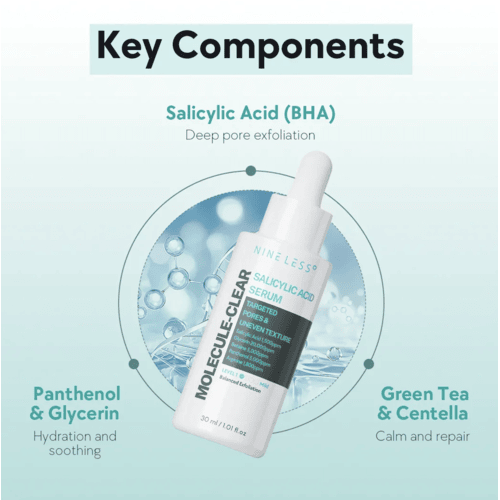
This serum offers a gentler but highly effective solution for managing acne. Formulated with salicylic acid, it works by exfoliating the surface of your skin and penetrating into the pores to dissolve dead skin cells that often cause acne. Unlike harsh scrubs that damage the skin barrier, this serum smooths rough texture without irritation.
It’s especially helpful for people dealing with blackheads and whiteheads since salicylic acid clears clogged pores and prevents new ones from forming. Lightweight and non-sticky, it absorbs easily into your skin, making it a perfect daily treatment under your moisturizer. For anyone trying to figure out what causes acne beyond bacteria, like excess sebum or buildup of dead skin cells, this serum is a smart, preventative option.
Pros:
- Exfoliates and clears clogged pores gently
- Smooths texture and reduces rough patches
- Works well for oily and combination skin
- Daily use keeps breakouts under control
Cons:
- Not moisturizing enough for dry skin
- May cause mild tingling during first use
Anua Azelaic Acid 10% + Hyaluron Redness Soothing Serum
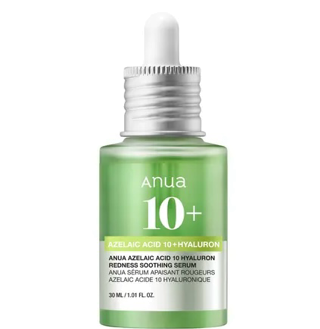
This lightweight serum tackles both acne and post-acne concerns. With 10% azelaic acid, it calms inflammation, reduces redness, and evens out skin tone. It’s combined with hyaluronic acid, which adds hydration to keep your skin plump and balanced. Unlike some harsh acne treatments, this one soothes while it works, making it great for sensitive or acne-prone skin.
Azelaic acid is especially useful for people who not only have acne but also deal with rosacea or pigmentation. It clears clogged pores, minimizes flare-ups, and fades acne scars over time. If you’ve been asking what causes acne marks to linger long after pimples heal, this serum provides part of the answer by targeting discoloration directly.
Pros:
- Calms redness and soothes irritated skin
- Hydrates with hyaluronic acid
- Helps fade dark spots and acne scars
- Suitable for sensitive and acne-prone skin
Cons:
- Results may take several weeks to show
- Not as strong for severe acne cases
TIAM Vita B3 Source Niacinamide & Arbutin Serum
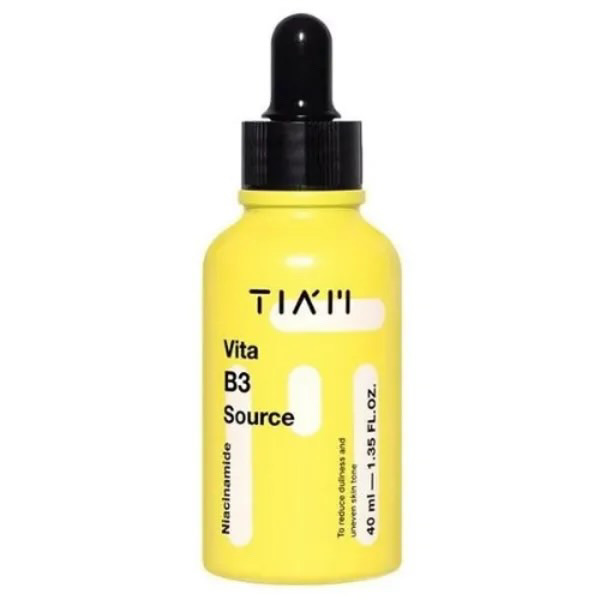
This serum is all about repairing and brightening the skin after acne. With 10% niacinamide and arbutin, it reduces hyperpigmentation, fades dark spots, and helps balance oil production. While it’s not a treatment for active pimples, it plays a huge role in addressing what causes acne marks to stay behind, which can be just as frustrating as the pimples themselves.
Lightweight and easy to layer, the serum absorbs well and works nicely with other acne treatments. Over time, it helps restore radiance to dull skin and strengthens the skin barrier, reducing the chances of future irritation. It’s an excellent choice for people who want to deal with both acne and its after-effects without harsh side effects.
Pros:
- Brightens and fades stubborn dark spots
- Controls excess oil production
- Improves overall skin tone and radiance
- Gentle enough for daily use
Cons:
- Doesn’t target active acne directly
- May take consistent use to see full results
What are the symptoms of acne and when to seek help
The symptoms of acne include whiteheads, blackheads, pimples, nodules, and cysts on your face, chest, or back. If you have acne that does not improve with home care, or if scarring develops, you should see a dermatologist. Early treatment prevents acne from getting worse and improves the health of your skin.
Healthy habits to prevent acne flare-ups
Preventing acne involves more than just skincare. A healthy diet, stress management, and gentle cleansing routines reduce the risk of flare-ups. When you know what causes acne, you can take steps to avoid the habits and conditions that trigger it.
Breaking the cycle of acne
Acne is a common skin condition that can affect anyone, but it doesn’t have to control your life. By understanding what causes acne, you can make smarter choices for your skin and explore the best treatments to manage breakouts.
Take control of your skincare journey today. Shop dermatologist-approved acne treatments at Perona Beauty, and give your skin the care it deserves.