
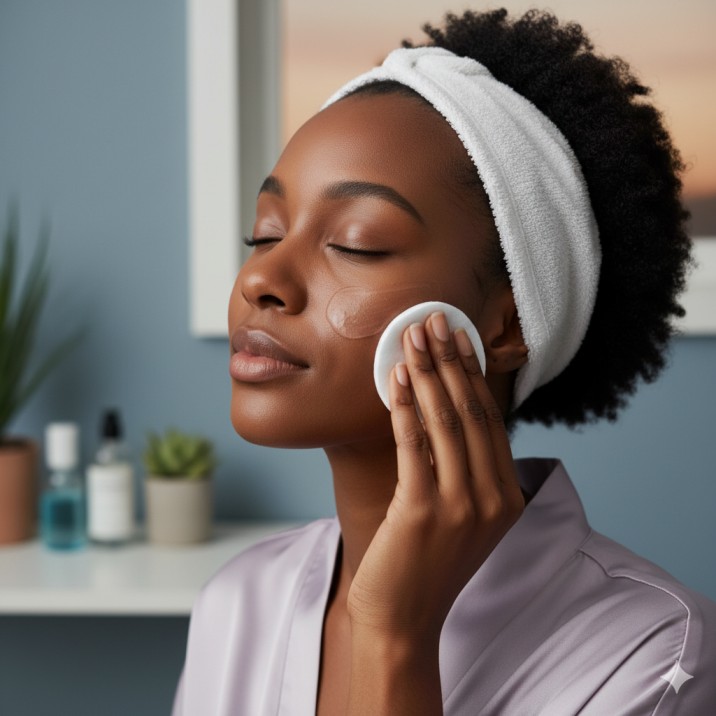
Most people assume a facial cleanser is simply soap for your face. That assumption is costing them. The wrong facial cleanser, used twice a day, every day, can silently erode the skin barrier, accelerate breakouts, and make every other product in your routine perform below its potential.
This article breaks down the seven real functions of a facial cleanser, what most people get wrong about each one, and how five standout products address these functions differently.
So, What Does a Facial Cleanser Actually Do?
A facial cleanser disrupts the bond between your skin and what’s sitting on top of it, sebum, pollution, dead cells, sunscreen, and make-up, using surfactants (surface-active agents) that emulsify both oil and water-based debris so they rinse away together.
What separates an excellent facial cleanser from a damaging one is what happens to the skin during that process. Cleansing always involves a trade-off: you cannot selectively remove only unwanted material. Some natural lipids, beneficial proteins, and moisture will always leave with the rinse water. A high-quality facial cleanser minimises this loss. A poorly formulated one compounds it, and the skin responds with tightness, excess oil, or chronic irritation.
1. Emulsifying Pollutants Before They Cause Damage
Urban skin accumulates particulate matter, heavy metals, and ozone residue throughout the day. These particles are too fine to rinse away with water alone; they require a facial cleanser’s surfactant action to detach them from skin proteins and sebum.
The Uncover I Am Energised Green Tea Revitalising Cleanser is built for exactly this scenario. Its gel formula lifts surface impurities while green tea polyphenols simultaneously neutralise the free radicals that pollution generates, so the facial cleanser doesn’t merely remove the problem, it partially counteracts the damage already done before removal.
2. Protecting the Acid Mantle With Every Wash
Every facial cleanser shifts the skin’s surface pH. The skin’s natural acid mantle sits between pH 4.5 and 5.5 — mildly acidic. It supports antimicrobial defences, barrier enzyme activity, and the skin microbiome. A cleanser with a pH above 7 neutralises it entirely, leaving skin temporarily vulnerable.
This is not a theoretical concern. Post-cleanse alkalinity correlates with increased transepidermal water loss, compromised tight junctions, and heightened susceptibility to irritants. The COSRX Low pH Good Morning Gel Cleanser is engineered to align with the skin’s natural pH, making it one of the most physiologically considered options for daily use, particularly in active-heavy routines where pH consistency determines whether your actives work or not.
3. Hydrating Skin During the Cleansing Process
A defining characteristic of thoughtfully formulated facial cleansers is their ability to cleanse and hydrate simultaneously. Humectants like hyaluronic acid draw moisture from the environment and bind it to skin while the formula is still active. Emollients fill lipid gaps. Ceramides reinforce the proteins that hold the barrier together.
The CeraVe Hydrating Cleanser was designed around this principle. Its three-ceramide complex, ceramides 1, 3, and 6-II, works alongside hyaluronic acid to maintain hydration throughout the cleanse, not just afterwards. This is especially relevant for dry, mature, or sensitised skin, where every wash is a potential moisture loss event.
The Face Facts Enhance Gel-Cream Cleanser takes a complementary approach: its gel-to-cream texture provides a sensory richness that supports comfortable cleansing without the stripped feeling that leads people to pile on moisturiser post-wash.
4. Delivering Actives During Contact Time
Cleansing contact time, typically 30 to 60 seconds, is sufficient for certain actives to have a measurable effect. Salicylic acid begins dissolving intercellular bonds between dead cells. Niacinamide inhibits melanin transfer. Antioxidants begin neutralising surface free radicals. These effects are real, though more limited than leave-on products.
The key is selecting a facial cleanser whose actives match your skin concern. For rough texture or congestion, the CeraVe Renewing SA Cleanser delivers salicylic acid where it is needed most, inside pores, where the oil-soluble acid dissolves blockages at the source rather than polishing the surface. For dullness or uneven tone, the Face Facts Enhance Gel-Cream Cleanser introduces niacinamide and vitamin E — a pairing that addresses pigmentation and oxidative stress simultaneously.
5. Exfoliating Without Adding a Separate Step
Dedicated exfoliants, AHA toners, enzyme masks, physical scrubs, have their place, but they add time and complexity. A facial cleanser with mild exfoliant properties offers a lower-effort alternative, particularly suited to those new to active skincare or those with skin too sensitised for standalone exfoliants.
The COSRX Low pH Good Morning Gel Cleanser contains tea tree oil and mild BHA compounds that quietly discourage congestion during daily use. This cumulative, low-intensity exfoliation builds smoother texture over time without the risk of over-exfoliation that comes from using separate acids too aggressively.
The misconception is that an exfoliating facial cleanser must produce tingling or tightness to be effective. In reality, those sensations signal irritation, not efficacy. A gentle, pH-appropriate option works consistently and quietly, which is more valuable than occasional intensive treatment.
6. Optimising Skin’s Absorption Before You Apply Anything Else
One of the most functionally significant things a facial cleanser does is largely invisible: it clears the skin surface to maximise the penetration of what comes next. Serums, retinol, vitamin C, and prescription actives all perform better on thoroughly cleansed skin because there is no sebum or residue film to impede molecular diffusion.
This makes the cleansing step especially critical in results-focused routines. Practitioners frequently observe that patients using disruptive cleansers absorb actives unpredictably, too fast in barrier-damaged areas, too slow in others. A balanced facial cleanser creates consistent absorption across the whole face, which means your actives work as intended.
7. Preparing Skin for Its Overnight Repair Cycle
Evening cleansing performs a distinct function from morning cleansing. At night, the goal is complete removal of sunscreen, make-up, sebum, and pollution accumulated throughout the day. The skin’s overnight repair cycle, peak cell turnover and barrier regeneration, functions most effectively on clean skin with no residue competing for space.
Double cleansing in the evening (an oil-based cleanser first, followed by a water-based facial cleanser second) ensures thorough preparation for night-time recovery. Each cleanser plays a role: the oil phase dissolves SPF and make-up; the water phase removes what remains.
At Uncover Skincare, our approach focuses on the principle that cleansing is skin preparation, not just hygiene. The choice of facial cleanser should reflect what you are preparing your skin to do next, whether that is absorb a night serum, regenerate overnight, or face a day of environmental exposure.
Five Facial Cleansers Compared
Face Facts Enhance Gel-Cream Cleanser
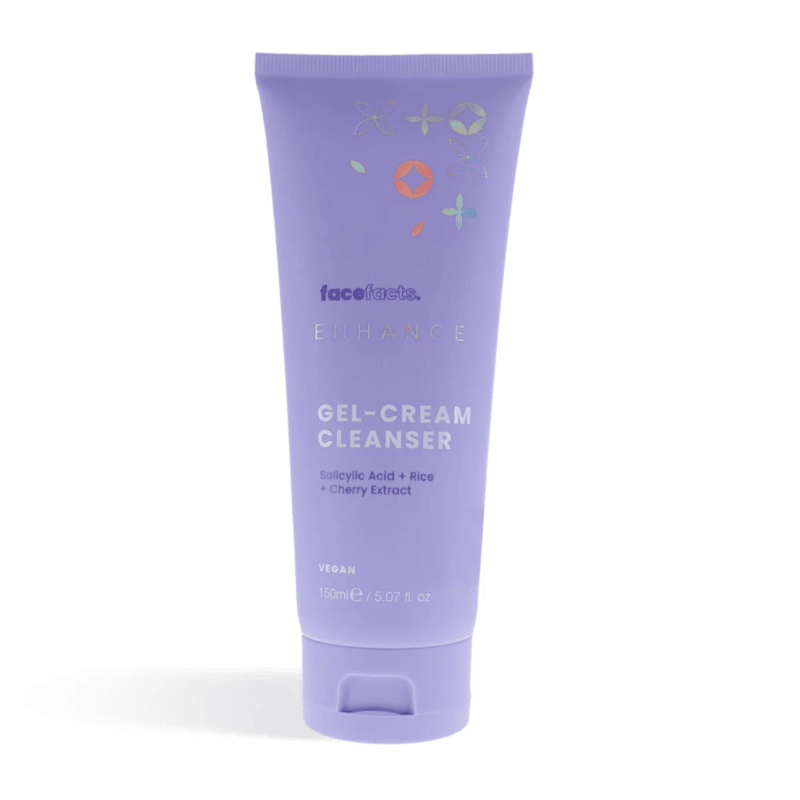
A hybrid-texture facial cleanser with niacinamide and vitamin E, a practical choice for anyone who wants brightening support from their cleansing step without adding a separate product.
Pros:
- Niacinamide targets uneven tone and strengthens the skin barrier
- Gel-cream texture works across skin types without being too rich or too stripping
- Vitamin E bolsters antioxidant protection during cleansing
- Effective as both a morning and evening cleanser
Cons:
- Shorter dwell time limits niacinamide’s full potential benefit
- Heavy make-up or SPF may require a preceding oil-based cleanser
Uncover I Am Energised Green Tea Revitalising Cleanser
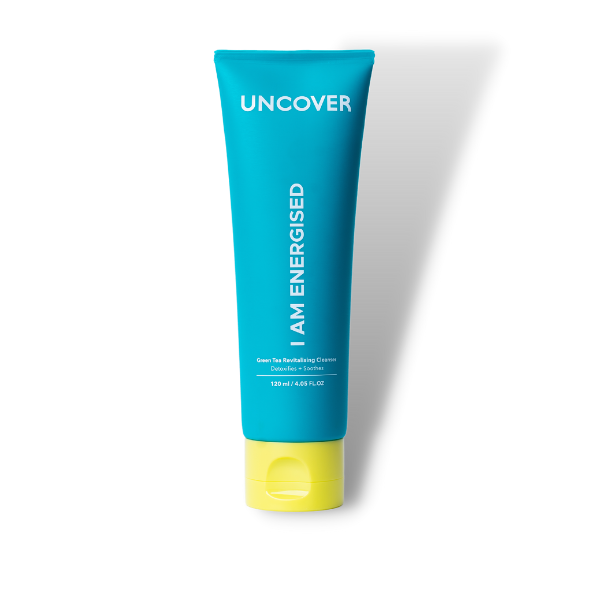
An antioxidant-driven gel facial cleanser best used in the morning to counteract overnight sebum build-up and prepare skin for daytime environmental exposure.
Pros:
- Green tea EGCG actively fights free radical damage from pollution
- Refreshing gel formula suits oily, combination, and normal skin
- Leaves skin clean without post-wash tightness
- Well suited to AM use before SPF application
Cons:
- Not intended for full make-up removal
- Those sensitive to botanical extracts should patch test before committing
COSRX Low pH Good Morning Gel Cleanser
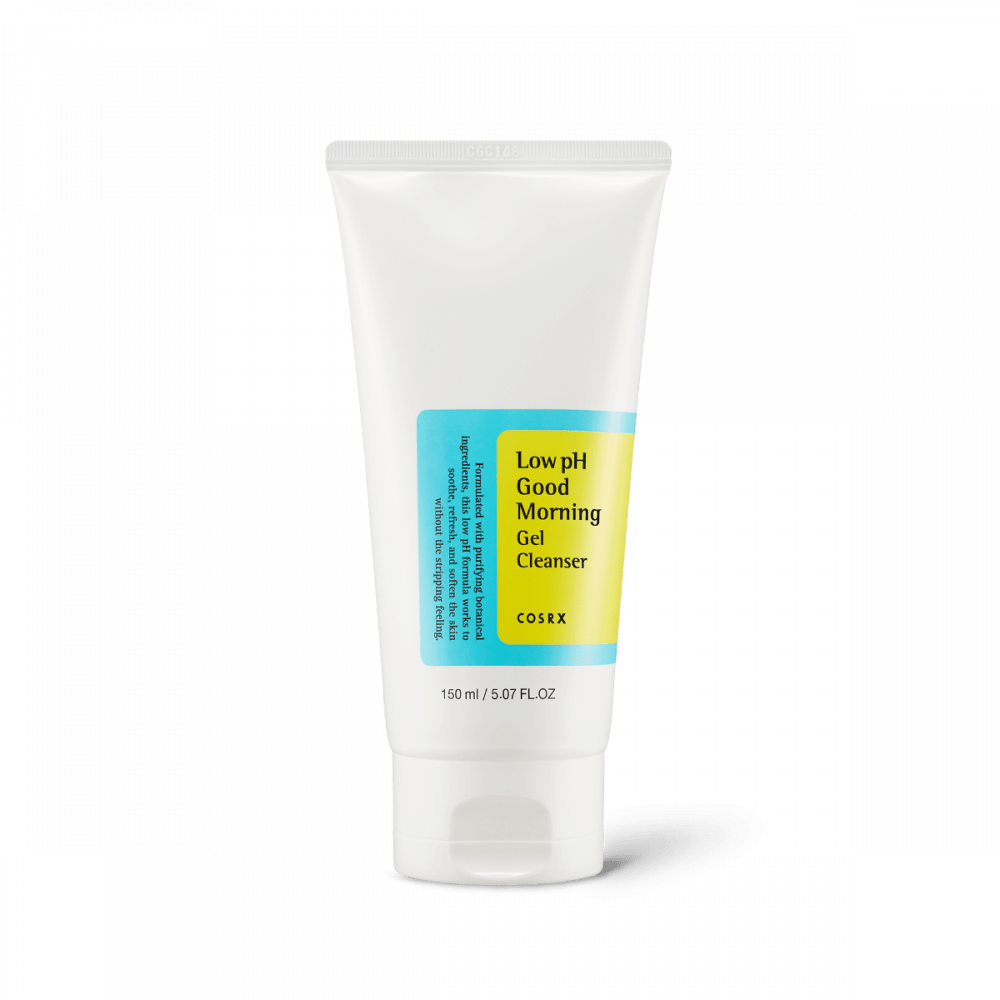
A minimalist, pH-calibrated facial cleanser that prioritises barrier preservation above all else. Especially valuable as a morning option or as part of an active-heavy routine where pH consistency determines efficacy.
Pros:
- Acid-mantle-friendly pH is a standout formulation choice
- Leaves no film — skin is clean and neutral, not stripped
- Compatible with all actives without disrupting their efficacy windows
- Simple formula free of fragrance and unnecessary additives
Cons:
- Offers no active skin-care benefit beyond cleansing and pH management
- Not suitable as a standalone cleanser for very dry skin in cold climates
CeraVe Renewing SA Cleanser
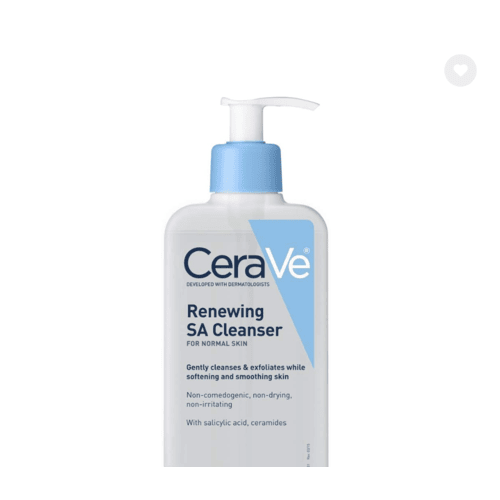
A results-focused facial cleanser that exfoliates with salicylic acid while simultaneously rebuilding with ceramides. Best for congested, rough, or bumpy skin on both face and body.
Pros:
- Salicylic acid clears congestion inside pores, not just at the surface
- Ceramide complex repairs the moisture barrier while the formula works
- 12oz format provides excellent value for combined face and body use
- Well tolerated for daily use despite its exfoliant content
Cons:
- Active exfoliants make it inappropriate for sensitised or rosacea-prone skin
- Should not be layered with other exfoliating acids without considered spacing
CeraVe Hydrating Cleanser
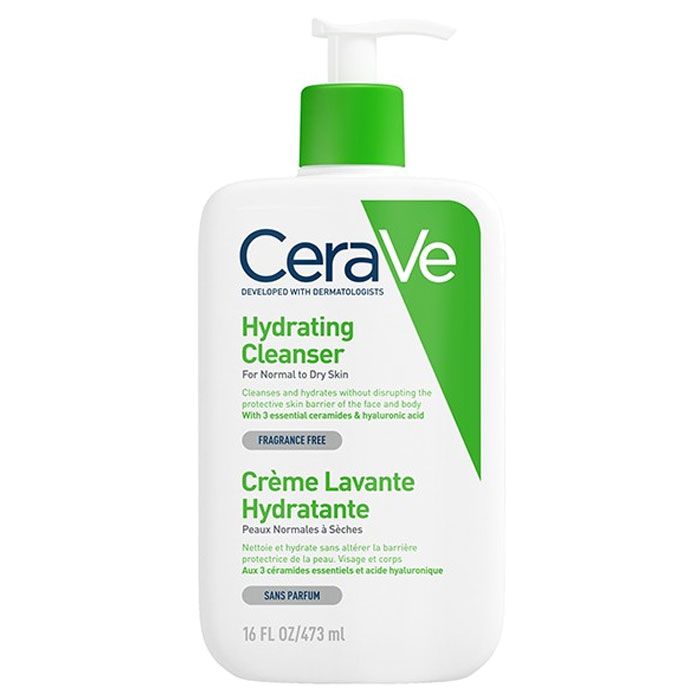
A fragrance-free, barrier-focused facial cleanser designed for continuous daily use on dry, sensitive, or normal skin. The ceramide-and-hyaluronic-acid formulation cleanses without any net moisture loss.
Pros:
- Three essential ceramides and hyaluronic acid maintain moisture throughout cleansing
- Fragrance-free, essential for reactive, sensitised, or eczema-prone skin
- 16oz size reduces repurchase frequency, cost-effective for everyday use
- Leaves skin immediately comfortable with no dry or tight finish
Cons:
- Rich texture is less suited to oily skin or humid climates
- Provides no exfoliation — not appropriate for congested skin without supplementation
Choose Your Facial Cleanser Like a Practitioner
Every facial cleanser involves a trade-off. One that exfoliates carries more potential for irritation. One that maximises hydration may not clean thoroughly enough for heavy SPF users. A pH-balanced formula prioritises barrier health above all else, which is the right call for most people, most of the time.
The five products reviewed above represent different answers to a single question: what does your skin most need from a facial cleanser? Some skin needs barrier repair and continuous hydration. Some needs pore-level exfoliation and congestion management. Some needs antioxidant defence against daily environmental damage. None of those needs is wrong, but the cleanser that addresses one may actively underserve another.
Treat your facial cleanser as a clinically considered choice rather than a commodity purchase. Know what it does to your barrier, your pH, and your skin’s absorption capacity. That understanding is what separates a routine that simply maintains skin from one that actively improves it.
Answers to the Questions People Actually Ask
Does a facial cleanser need to foam to work?
No. Foam is a sensory cue, not a marker of efficacy. Many low-pH, non-foaming facial cleansers clean just as thoroughly as foaming counterparts without the alkalinity that disrupts the acid mantle. Heavy foam is often generated by sulfates such as SLS, among the most disruptive surfactants for barrier health. A gel or cream facial cleanser that rinses cleanly is often more skin-friendly than a dramatic foam.
How long should you leave a facial cleanser on your face?
Between 30 and 60 seconds is sufficient for most facial cleansers. Leaving it longer is unnecessary and, for stronger formulas with salicylic acid or exfoliant actives, may increase the risk of irritation. Always follow product-specific guidance for treatment cleansers with extended contact instructions.
Is one facial cleanser enough, or do you need two?
For those wearing sunscreen or make-up, double cleansing is widely recommended, an oil-based cleanser first, followed by a water-based facial cleanser. For bare-skin routines, a single well-matched cleanser is sufficient. Over-cleansing is a genuine risk; washing more frequently or more aggressively does not produce better skin.