

Hyperpigmentation is one of the most searched skincare topics today, but what is hyperpigmentation really? At its core, it is a skin condition where certain areas become darker than the surrounding skin. This happens because of an overproduction of melanin, the pigment responsible for skin color.
For many people, it shows up as dark spots, age spots, or post-acne marks. It can appear on the face, hands, or body, making the skin look uneven. While hyperpigmentation is a common concern, understanding what is hyperpigmentation and how it develops is the first step toward treating it.
Some cases are mild and fade with time, while others are stubborn and require consistent treatment. The good news is that hyperpigmentation can be managed. With the right products, lifestyle choices, and professional help, your skin can look clearer, brighter, and healthier.
What is Hyperpigmentation and Why Does it Happen?
So, what is hyperpigmentation in scientific terms? It is a form of skin pigmentation where excess melanin collects in one area, making the skin appear darker than the surrounding skin.
The skin produces melanin as a defense mechanism. When exposed to the sun, hormones, or inflammation, melanocytes (pigment-producing cells) trigger an increase in melanin. While this is protective, too much production of melanin results in discoloration.
Hyperpigmentation is a common condition across all skin types, but it can be more noticeable in people with darker skin. The spots may not be harmful medically, but they can affect confidence and appearance. That is why so many people search for ways to treat hyperpigmentation.
Causes of Hyperpigmentation
Understanding the causes of hyperpigmentation helps in finding the right treatment plan. Here are the most common triggers:
- Sun exposure: UV rays are one of the leading causes of hyperpigmentation. The sun stimulates the production of melanin, leading to freckles, dark spots, and age spots.
- Post inflammatory hyperpigmentation (PIH): After acne, eczema, burns, or cuts, the skin heals by producing extra melanin in the affected area.
- Hormonal changes: Melasma, also known as the “mask of pregnancy,” is triggered by hormonal shifts and worsened by sun exposure.
- Medications and health conditions: Certain drugs, like chemotherapy agents or antibiotics, can lead to hyperpigmentation.
- Irritation: Aggressive skincare treatments or reactions to products can leave behind dark patches.
Each cause of hyperpigmentation connects back to the same core issue: an increase in melanin in certain areas of the skin.
Types of Hyperpigmentation
There are different types of hyperpigmentation, and knowing which one you have is crucial in choosing the best treatment.
- Post Inflammatory Hyperpigmentation (PIH): Common in people with darker skin, PIH happens after acne breakouts or injury. It leaves flat, dark marks on the skin.
- Age Spots: Sometimes called sun spots, these are small, flat, brown patches that develop after years of sun exposure. They often appear on the face, hands, and other exposed areas of the skin.
- Melasma: Also known as the mask of pregnancy, melasma shows up as symmetrical patches on the face due to hormonal fluctuations.
- Other forms: Medical treatments, chemical burns, or skin irritation may also lead to hyperpigmentation.
Though the types differ, they all share one root cause: melanin production that is higher than normal.
The Impact of Hyperpigmentation on the Skin
Hyperpigmentation and uneven skin tone can affect more than just appearance. For many people, it impacts self-esteem, especially when dark spots appear on the face.
People with darker skin often experience more visible post inflammatory hyperpigmentation because higher baseline melanin levels make marks stand out more. This does not mean lighter skin tones are free from it. Instead, it shows up differently on the skin.
The good news is that hyperpigmentation is not permanent. With patience, consistent care, and sun protection, your skin can become clearer and brighter over time.
How to Treat Hyperpigmentation
The question many ask is: how to treat hyperpigmentation effectively? There is no single answer. Treatment depends on the type of hyperpigmentation, how deep it is in the skin, and the triggers behind it.
Dermatologists usually recommend a combination of treatments:
- Topical solutions: Serums and creams containing vitamin C, kojic acid, retinoids, and niacinamide are commonly used to treat hyperpigmentation.
- Exfoliation: AHAs and BHAs help remove dead skin cells, revealing fresher skin.
- Professional treatments: Laser therapy, chemical peels, and microneedling are used for stubborn hyperpigmentation and dark spots.
- Prescription options: Stronger creams like hydroquinone are sometimes prescribed by dermatologists.
The key is patience. Hyperpigmentation is a condition that builds over time, so it also takes time to fade.
Ingredients That Can Help Reduce Hyperpigmentation
When exploring treatments, some ingredients consistently stand out for their ability to fade dark spots and balance skin pigmentation. If you want to know not just what is hyperpigmentation but also how to treat it effectively, these are the ingredients worth looking for:
- Vitamin C: A powerful antioxidant that brightens the skin, reduces the production of melanin, and shields your skin from sun exposure damage.
- Kojic Acid: Often used in serums and toners, kojic acid blocks melanin production and is effective for treating age spots and dark patches.
- Niacinamide: This multitasking form of vitamin B3 strengthens the barrier of the skin, calms redness, and helps even out skin pigmentation.
- Retinoids: By speeding up the turnover of skin cells, retinoids help fade old spots and bring fresh skin to the surface.
- Chemical Exfoliants (AHAs & BHAs): Glycolic acid, lactic acid, and salicylic acid all remove dead skin cells, which improves texture and reveals a brighter tone.
Using products with these active ingredients consistently can help reduce the appearance of hyperpigmentation and prevent new spots from forming.
Lifestyle Habits That Influence Hyperpigmentation
Even if you know what is hyperpigmentation and the right products to use, lifestyle habits play a huge role in how well your skin recovers.
- Sun exposure: UV rays are one of the biggest causes of hyperpigmentation. Sunscreen, hats, and shade are essential daily.
- Diet: Foods rich in antioxidants, like berries, leafy greens, and nuts, support skin repair and reduce inflammation.
- Sleep and stress: Poor sleep and stress hormones can make acne worse, which leads to post inflammatory hyperpigmentation.
- Gentle skincare: Harsh scrubbing or irritating products can damage the skin and leave behind dark marks.
To prevent hyperpigmentation and improve the skin’s healing process, combine a balanced lifestyle with targeted skincare.
Products That Target Dark Spots and Hyperpigmentation
The best way to treat hyperpigmentation is a mix of prevention and targeted treatment. Below are dermatologist-approved products formulated with proven ingredients to fade discoloration and brighten the skin.
Cosrx The Alpha-Arbutin 2% Discoloration Care Serum
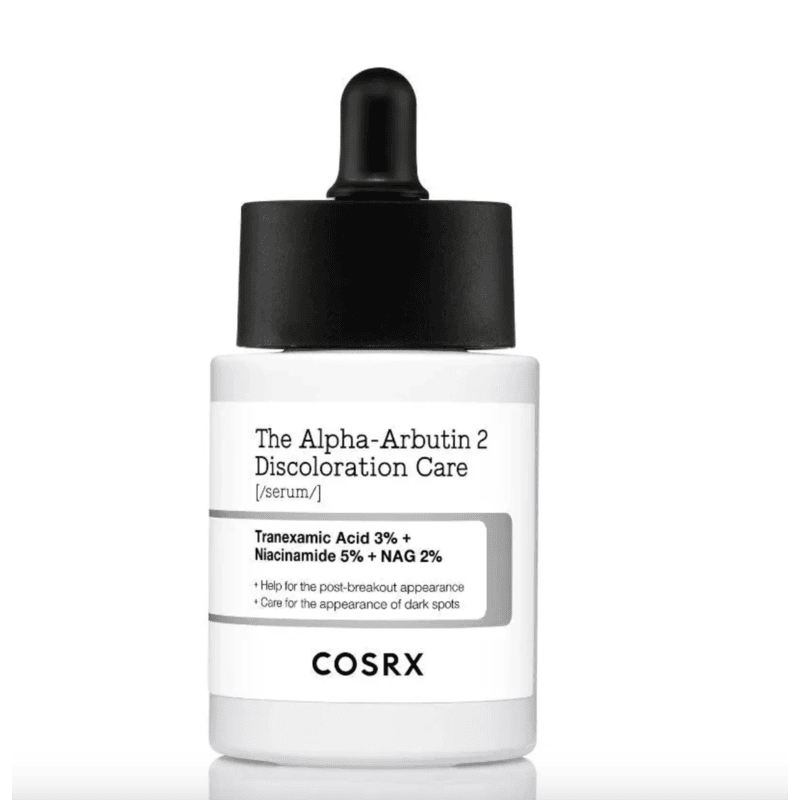
Targets dark spots and uneven skin tone with 2% Alpha-Arbutin, a powerful brightening agent. Lightweight and fast-absorbing, it helps fade acne marks, sun exposure spots, and scars.
Pros:
- Contains Alpha-Arbutin, proven to fade hyperpigmentation
- Lightweight texture layers well with other products
- Suitable for sensitive skin
- Helps even out skin tone with consistent use
Cons:
- May take a few weeks for results
- Not the most hydrating option for dry skin types
Uncover Licorice Root Dark Spot Serum
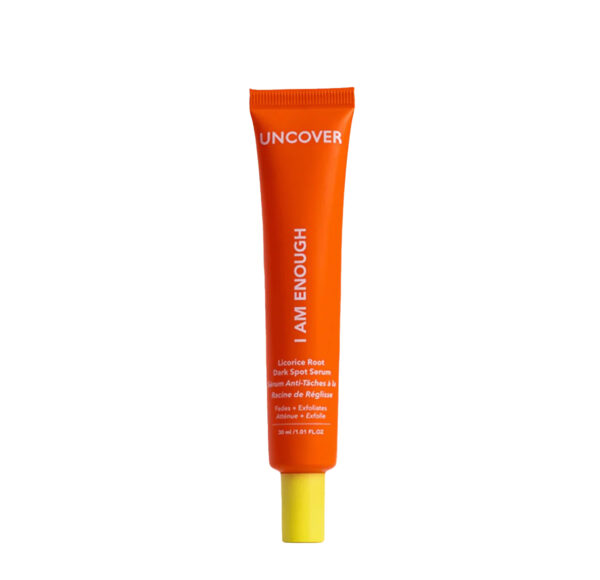
Formulated with Licorice Root Extract, Niacinamide, and Tranexamic Acid, this serum addresses post inflammatory hyperpigmentation and dullness.
Pros:
- Multi-active brightening formula
- Helps fade acne scars and dark spots
- Lightweight and easy to layer in your routine
- Daily-use friendly
Cons:
- Results vary across skin types
- Higher price point for its size
La Roche-Posay MelaB3 Intense Anti-Dark Spot Serum
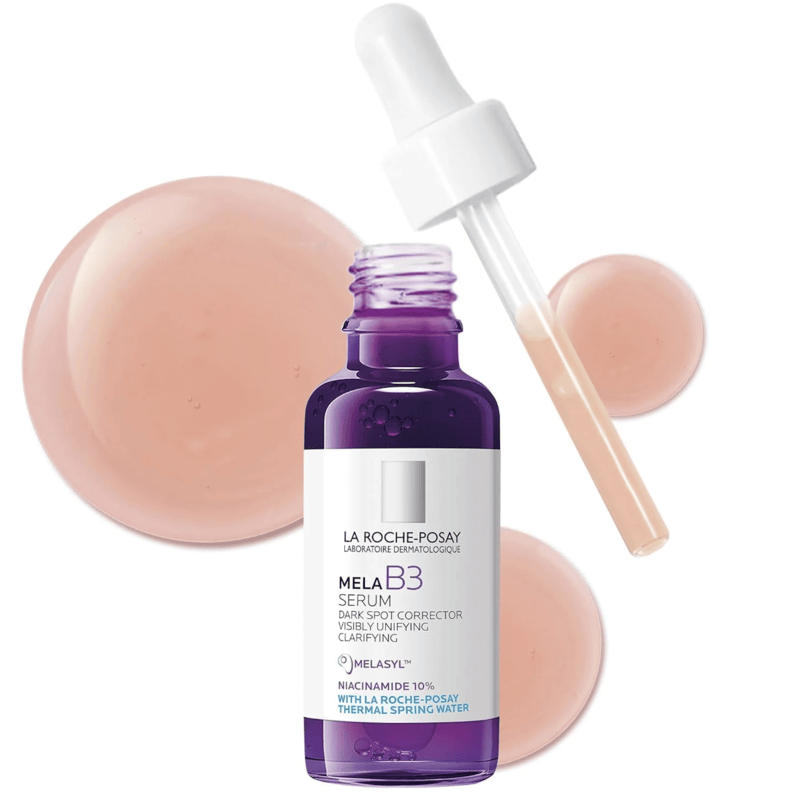
A clinically proven serum with Niacinamide, Melasyl™, and Thermal Spring Water that works to fade hyperpigmentation, age spots, and melasma.
Pros:
- Dermatologist-tested formula for sensitive skin
- Targets multiple types of hyperpigmentation
- Lightweight, absorbs quickly
- Visible results in a few weeks
Cons:
- Premium pricing
- May cause mild tingling initially
NineLess B-Boost 1% Kojic Acid Toner
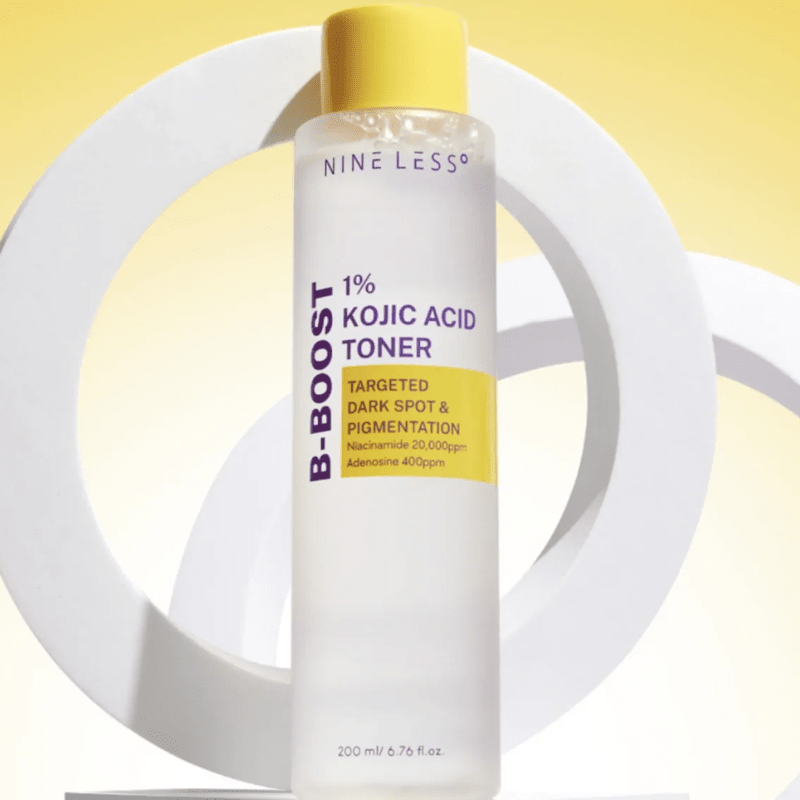
A kojic acid toner enhanced with Niacinamide and Licorice Root Extract. It brightens the skin and helps refine texture while targeting age spots.
Pros:
- Gently exfoliates while brightening
- Helps boost absorption of serums
- Affordable for its size
- Smoothes rough patches
Cons:
- Kojic acid may irritate sensitive skin
- Needs regular use for visible results
Nineless Tranexamic Acid Serum
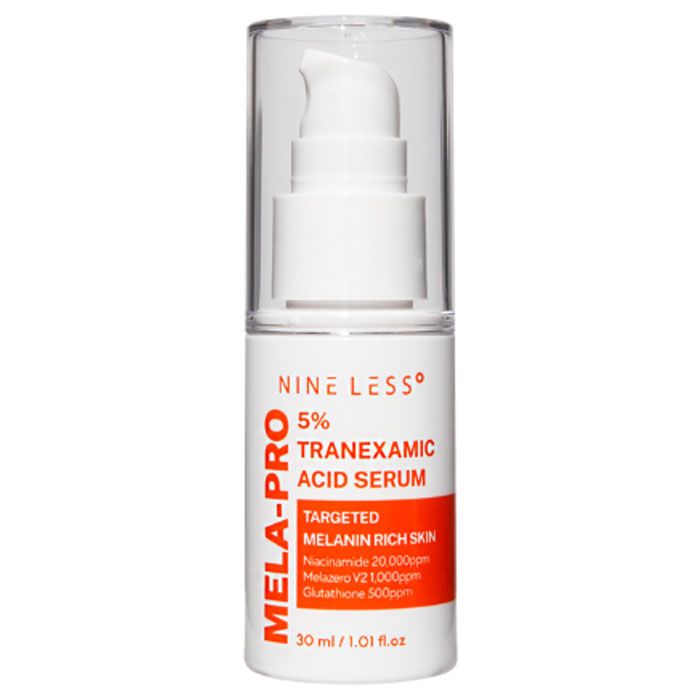
Formulated with Tranexamic Acid, Niacinamide, and Panthenol, this serum helps treat hyperpigmentation caused by acne, hormones, or sun exposure.
Pros:
- Targets multiple causes of hyperpigmentation
- Lightweight serum texture
- Budget-friendly option
- Soothes irritation while brightening
Cons:
- Requires sunscreen for best results
- May take time for stubborn marks
La Roche-Posay Pure Vitamin C12 Serum
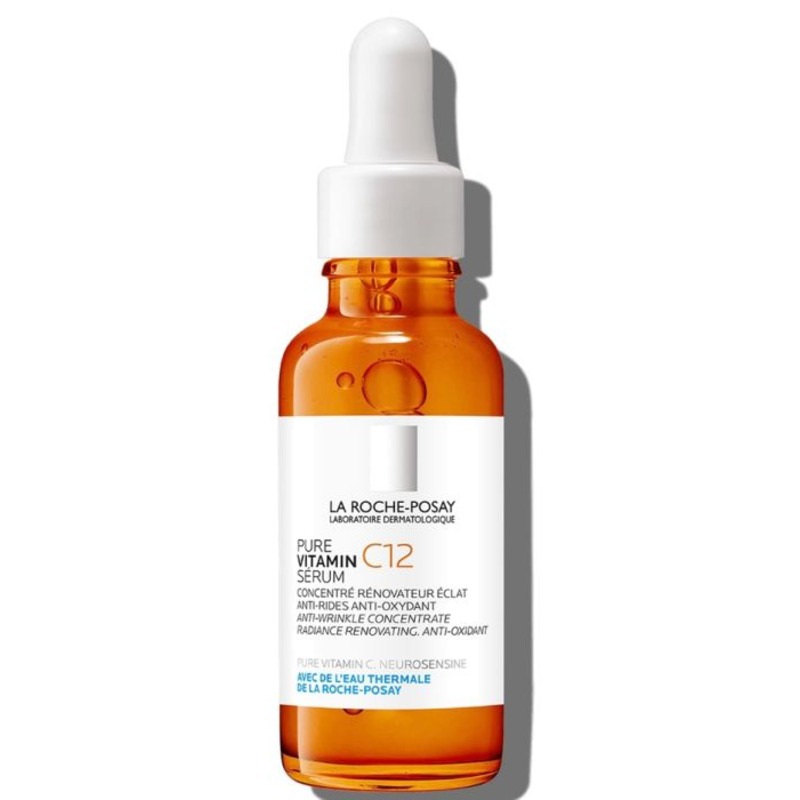
A stabilized Vitamin C serum designed to brighten skin tone, fade dark spots, and improve texture. Packaged with UV filters to preserve potency.
Pros:
- Contains stabilized vitamin C for lasting results
- Brightens and smooths skin texture
- Suitable for sensitive and combination skin
- Dermatologist-approved formula
Cons:
- More expensive than other vitamin C serums
- Beginners may experience mild irritation
FAQs on Hyperpigmentation
1. What is hyperpigmentation?
It is a skin condition where patches become darker than the surrounding skin due to increased melanin production.
2. What are the causes of hyperpigmentation?
The main triggers include sun exposure, hormonal changes, acne, and skin injuries.
3. How to treat hyperpigmentation?
You can treat it with topical ingredients like vitamin C, kojic acid, and niacinamide, along with sunscreen and professional treatments if needed.
4. Can hyperpigmentation go away on its own?
Some forms, like post inflammatory hyperpigmentation, may fade naturally over time. However, consistent treatment speeds up the process.
5. How to prevent hyperpigmentation?
Daily sunscreen, gentle skincare, and quick treatment of acne and inflammation are key steps to prevent hyperpigmentation.
Brighter Skin, Healthier Confidence
Hyperpigmentation is a common skin condition, but it doesn’t have to define your skin. Now that you know what is hyperpigmentation, its causes, and how to treat it, you can take steps to reduce dark spots and restore your skin’s natural glow.
The right products, professional guidance, and consistent sun protection make all the difference. Whether you’re battling age spots, melasma, or post inflammatory hyperpigmentation, solutions exist, and clearer skin is possible.