

There is a version of sensitive skin management that feels like permanent restriction, avoiding everything, tolerating little, and watching every other skin type use products freely while yours reacts to things that should not cause any reaction at all. And then there is a version of sensitive skin management that actually works, producing a complexion that reacts less, holds moisture better, and handles products with increasing confidence over time.
The difference between those two versions is almost always the approach. These ten tips for sensitive skin are the ones that produce the second version.
What Sensitive Skin Is Really Telling You
Sensitive skin is not inherently problematic skin. It is skin with a lower-tolerance barrier that is highly communicative about what it needs. When it reacts, it is telling you something specific: the barrier has been compromised, a trigger has been introduced, or the cumulative load of products and environmental stressors has exceeded what it can handle.
Every effective set of tips for sensitive skin is essentially a translation guide for this communication. Understanding what the skin is responding to and why allows you to address the cause rather than simply managing the symptoms, which is the only approach that produces lasting improvement.
10 Tips for Sensitive Skin
1. Diagnose Before You Treat
The most important of all tips for sensitive skin is also the most skipped. Before changing products, adding treatments, or building a new routine, spend two weeks doing as little as possible: one gentle cleanser, one unfragranced moisturiser, SPF. Observe what happens.
Many sensitive skin reactions are not from a single trigger ingredient. They are from accumulated stress across too many products applied too frequently. The baseline observation period tells you what your skin actually looks like without the noise of a complex routine, and that baseline is the only honest starting point for building something better.
2. One New Product at a Time, Always
Introducing multiple new products simultaneously makes it impossible to identify which one is causing a reaction when one inevitably occurs on sensitive skin. This is one of the tips for sensitive skin that sounds obvious but is consistently ignored in the excitement of a new routine.
Wait a minimum of two weeks between introducing any new product. If a reaction occurs, you know exactly what caused it. If it does not, you know exactly what your skin tolerates. There is no equivalent shortcut that provides this clarity.
3. Patch Test Before Every New Product
A patch test takes 48 hours and can prevent a full-face reaction that takes two weeks to settle. Apply a small amount of any new product to the inner arm or behind the ear and leave it undisturbed for 24 to 48 hours. A clear result does not guarantee zero reaction on the face, but it identifies the most likely reactors before they reach your most visible skin.
These tips for sensitive skin compound: single product introductions paired with patch testing gives you the clearest possible picture of what your skin can and cannot handle.
4. Fragrance Is Usually the Problem
When sensitive skin users eliminate one ingredient category and see improvement more consistently than with any other change, it is almost always fragrance. Synthetic fragrance, natural fragrance, and the essential oils that function as fragrance in many natural formulations are collectively the most common contact allergens in consumer skincare.
The practical application of this among tips for sensitive skin is to systematically replace fragranced products with fragrance-free alternatives one by one. The improvement is often surprising in both speed and scale.
5. Understand the Difference Between Dry and Dehydrated Sensitive Skin
Dry sensitive skin lacks oil. Dehydrated sensitive skin lacks water. They feel similar but require different responses. Using a rich occlusive moisturiser on dehydrated sensitive skin seals the dehydration in rather than resolving it. Using a lightweight humectant serum on genuinely dry sensitive skin leaves the skin without the lipid protection it needs.
Identifying which condition you are dealing with is one of the more nuanced tips for sensitive skin but one of the most useful. Dehydrated skin looks dull, has fine surface lines, and feels tight even when oil is present. Dry skin has no natural sheen, feels rough, and has a generally flat complexion year-round.
6. Temperature Matters More Than You Think
Hot water in the shower and on the face accelerates transepidermal water loss and strips the barrier more aggressively than lukewarm water. Cold water causes temporary vasoconstriction that some people interpret as toning but that provides no lasting benefit. Lukewarm water is the only temperature that cleanses without imposing additional barrier stress.
This is one of the tips for sensitive skin that costs nothing to implement and often produces a noticeable reduction in post-cleanse tightness and redness within days of the change.
7. SPF Every Morning Without Negotiation
UV exposure breaks down the ceramides and lipids that make up the skin barrier, which worsens sensitivity at a structural level over time. Every day of unprotected sun exposure undoes some of the barrier work your nighttime routine is building. Among all tips for sensitive skin, this is the one with the most consistently high return on investment.
Mineral SPF formulations with zinc oxide or titanium dioxide are better tolerated by most sensitive skin types than chemical UV filter alternatives, which can cause stinging or redness in reactive skin.
8. Learn to Use Actives Slowly
Retinoids, AHAs, BHAs, and Vitamin C are not forbidden for sensitive skin. The mistake is introducing them at the same frequency and concentration that resilient skin uses. Sensitive skin requires a different pace, not a different ingredient list.
The most effective tips for sensitive skin for active introduction: lowest available concentration, buffered by a moisturiser applied before the active rather than after, two evenings per week maximum initially, and a minimum of four weeks at each level before increasing frequency. This pace feels slow and produces results that are genuinely sustainable.
9. Give Your Barrier Dedicated Repair Time
When sensitive skin is in an active reactive state, the most productive thing you can do is stop introducing new products entirely and focus exclusively on barrier repair. This means a gentle cleanser, a ceramide-rich moisturiser, and nothing with active ingredients until the skin has calmed.
Ceramides, niacinamide, panthenol, and centella asiatica are the most barrier-supportive ingredients available in topical skincare. Building these into your routine during calm periods is among the most proactive tips for sensitive skin for reducing the frequency of reactive episodes before they begin.
10. Consistency Beats Experimentation Every Time
The most damaging habit for sensitive skin is the cycle of product-switching that restarts every time expected results do not appear within a few weeks. Sensitive skin improvements are slow and cumulative. Three weeks is not enough time to assess what a routine is doing. Three months is closer to a meaningful evaluation window.
The final and perhaps most important of all tips for sensitive skin is to choose a routine your skin tolerates and commit to it for a minimum of three months before making any assessment. Consistency with the right approach will always outperform impatience with the wrong one.
Product Recommendations for Sensitive Skin
Each product below is chosen specifically for its suitability with sensitive skin, whether through gentle formulation, minimal irritant risk, or targeted treatment that does not compromise the barrier.
1. Abib Airy Sunstick Smoothing Bar SPF 50 — Best SPF for Sensitive Skin
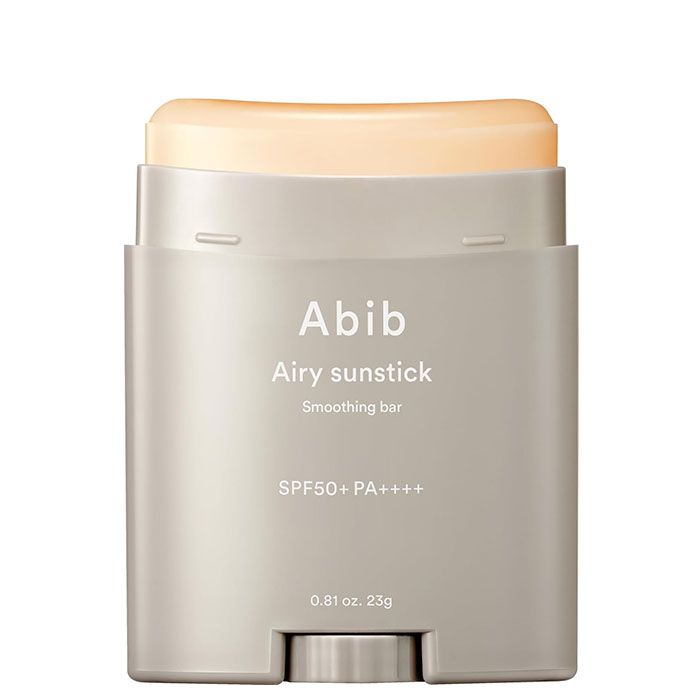
Daily SPF is one of the non-negotiable tips for sensitive skin, and the Abib Airy Sunstick Smoothing Bar SPF 50 is among the most practical and gentle SPF options available for reactive skin types. Its broad-spectrum SPF 50+ formula applies without rubbing, which immediately reduces the mechanical irritation that liquid SPF can cause on inflamed or reactive skin. It is lightweight, non-sticky, and does not disturb makeup on reapplication, making midday top-ups realistic rather than aspirational.
Pros:
- SPF 50+ broad-spectrum protection for consistently barrier-compromised sensitive skin
- Stick format eliminates the rubbing and friction that aggravates reactive facial skin
- Lightweight and non-sticky, comfortable for daily use in Nigeria’s warm conditions
- Does not cake or clump over makeup when reapplied during the day
Cons:
- Delivers slightly less product per application than liquid SPF formats
- Requires reapplication every 80 minutes during extended water exposure
2. Topicals Faded Brightening and Clearing Gel — Best Brightening Treatment for Sensitive Skin
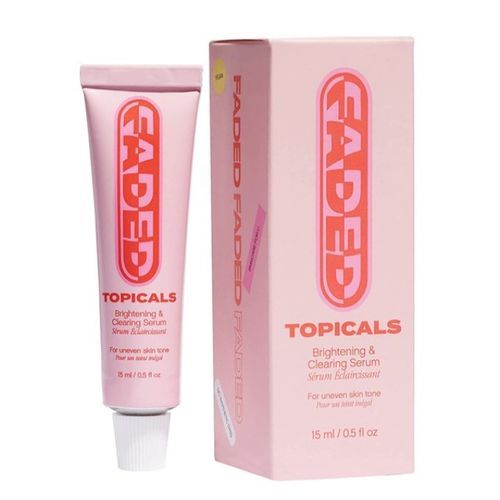
Sensitive skin that experiences frequent reactive episodes tends to develop post-inflammatory hyperpigmentation more than resilient skin types because the underlying inflammation happens more often and more intensely. The challenge is finding a brightening treatment that addresses the pigmentation without aggravating the sensitivity.
The Topicals Faded Brightening and Clearing Gel targets dark spots and discolouration with a formulation designed for efficacy and skin clarity without the irritation of stronger brightening treatments. Used as a spot treatment on specific areas rather than a full-face application, it fits the precise, restrained approach that sensitive skin management requires.
Pros:
- Targets dark spots and discolouration without aggressive actives that compromise sensitive skin
- Gel format absorbs cleanly and adds minimal product load to a reactive skin routine
- Can be used as a targeted treatment rather than requiring full-face aggressive application
- Addresses the pigmentation that regularly accompanies sensitive, inflammation-prone skin
Cons:
- Results require consistent application over several weeks before becoming clearly visible
- Patch testing recommended before use on very reactive sensitive skin types
3. Arami Glow Oil — Best Body Oil for Sensitive Skin
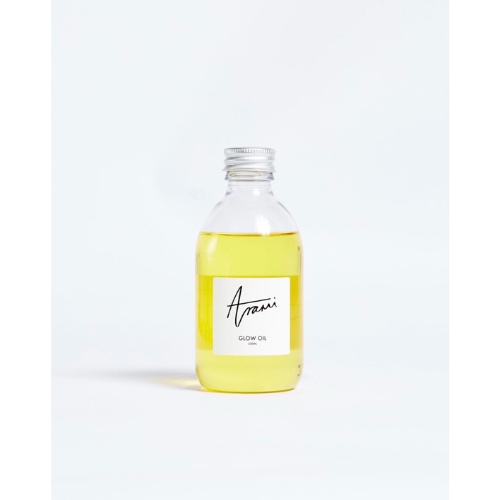
The all-natural formulation of the Arami Glow Oil makes it one of the most appropriate daily body oil options for sensitive skin. Free from synthetic additives that commonly trigger reactive body skin, it delivers lightweight, fast-absorbing nourishment that maintains the skin’s natural glow without the fragrance and chemical complexity that body products with longer ingredient lists can introduce.
Pros:
- All-natural ingredients reduce the synthetic additive trigger risk common in body care products
- Lightweight, fast-absorbing formula is comfortable on sensitive skin without occlusive heaviness
- 500ml size supports the consistent daily use that body skin barrier care requires
- Gentle enough for sensitive skin on the body including areas prone to eczema or dryness
Cons:
- Gradual nourishment rather than targeted rapid correction for specific body skin concerns
- Works as a daily maintenance product rather than an intensive treatment for compromised body skin
4. Garnier Sakura Glow Hyaluron Body Serum Lotion UV — Best Daily Body Lotion for Sensitive Skin
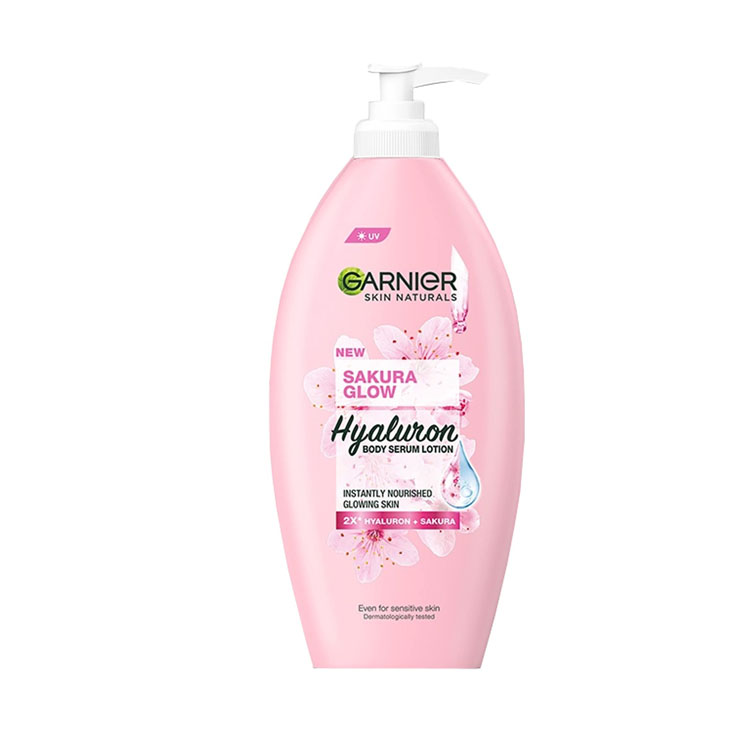
For daily body hydration with built-in sun protection, the Garnier Sakura Glow Hyaluron Body Serum Lotion UV delivers a milk-serum texture that absorbs quickly, stays non-sticky on the skin, and protects against UVA and UVB damage without requiring a separate body SPF step. Sakura Essence and hyaluronic acid provide gentle brightening and hydration that suits sensitive skin without the aggressive actives that would trigger reactive episodes.
Pros:
- Quick-absorbing milk-serum texture stays comfortable on sensitive skin in warm conditions
- UVA/UVB filters provide body skin sun protection without a separate application step
- Sakura Essence and hyaluronic acid brighten and hydrate gently without harsh actives
- Non-sticky finish makes daily consistent use practical throughout Nigeria’s warm seasons
Cons:
- Consistent daily use over at least one week needed before visible brightening improvement
- Patch test on a small area before full body application on highly reactive sensitive skin
5. Dr Teal’s Aluminum Free Deodorant Stick Lavender Vanilla — Best Deodorant for Sensitive Skin
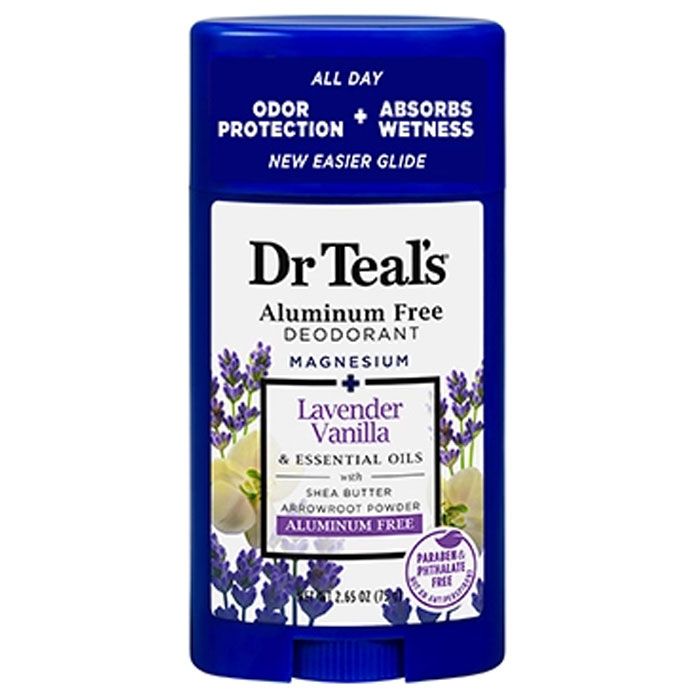
Conventional deodorants and antiperspirants are a frequently overlooked source of underarm skin irritation for people with generally sensitive skin. Aluminium salts, synthetic fragrances, and preservatives in standard formulations cause chronic contact irritation that is often attributed to other causes. The Dr Teal’s Aluminum Free Deodorant Stick removes these triggers entirely, using magnesium for natural odour control alongside essential oils in a formula free from aluminium, parabens, and phthalates.
Pros:
- Removes aluminium, parabens, and phthalates, the most common underarm irritants for sensitive skin
- Magnesium delivers effective natural odour protection without blocking sweat glands
- Soothes and respects underarm skin rather than aggravating it with repeated chemical exposure
- Clean stick format applies easily without mess or product waste in daily use
Cons:
- Odour control without wetness control requires adjustment for antiperspirant users
- Essential oil-derived lavender vanilla scent may not suit those with plant-derived ingredient sensitivity
Putting the Tips and Products Together
The tips create the framework. The products fill it in. Begin with simplification, introduce the SPF immediately, and add the Topicals Faded Gel as a targeted spot treatment once your baseline routine is established. Introduce the Arami Glow Oil and Garnier Body Lotion for body skin care. Switch to the Dr Teal’s Deodorant as an immediate underarm irritant reduction measure.
All five products are available at Perona Beauty in Ibadan. Find us at Praise Plaza, 26 Osuntokun Avenue, Opposite House 25, Bodija, Ibadan, and our team will help you apply the tips for sensitive skin in this guide to your specific skin concerns with the right product support.
Frequently Asked Questions About Tips for Sensitive Skin
How long before these tips show visible results? Reduction in reactive episodes typically becomes noticeable within four to six weeks of consistently applying these tips for sensitive skin. Structural barrier improvement develops over three to six months. Patience with the correct approach always outperforms speed with the wrong one.
Can sensitive skin ever become normal skin? Sensitive skin is a skin type rather than a temporary condition, but its severity is highly variable. With consistent management using the tips for sensitive skin in this guide, reactive episodes reduce in frequency and intensity to the point where daily life no longer feels like a series of skin emergencies. That is a meaningful and achievable outcome.
Is minimalism really better for sensitive skin? Consistently yes. Fewer products with well-tolerated formulations produce more stable skin than complex routines with multiple potential triggers. The minimalism is not permanent. Once the baseline is established and the barrier has strengthened, new products can be introduced strategically. But simplicity is always where recovery and management begin.
What is the most important single tip for sensitive skin? Consistency with a stripped-back routine that the skin genuinely tolerates. Every other tip for sensitive skin in this guide is building toward that: finding the right simple routine and staying with it long enough to see what it can do.