
Few skincare questions generate as much anxiety as the relationship between retinol and skin barrier health. People who have experienced the peeling, redness, and sensitivity of a difficult retinol introduction assume the ingredient is inherently damaging. People who have read about retinol’s long-term collagen-building benefits cannot reconcile that with the visible disruption the early weeks produce.
Both experiences are real. The disruption is real. The long-term structural benefit is also real. Understanding both, and knowing how to navigate from one to the other without causing prolonged harm, is what separates retinol users who see transformative results from those who cycle through products in frustration.
The Retinol and Skin Barrier Relationship Explained
The skin barrier is the outermost layer of the skin, the stratum corneum, composed of skin cells bonded together by a lipid matrix of ceramides, cholesterol, and fatty acids. It keeps moisture in and environmental damage out. When intact, it produces skin that is hydrated, calm, and resilient. When compromised, skin becomes dry, reactive, and sensitised in the characteristic ways that most people associate with barrier damage.
Retinol is a Vitamin A derivative that converts in the skin to retinoic acid, which binds to nuclear receptors in skin cells and directly influences gene expression. The most relevant gene activities it influences for the retinol and skin barrier question are collagen synthesis, cell turnover rate, and ceramide production.
The temporary disruption arises from the cell turnover acceleration. When retinol increases the speed at which the skin produces and sheds surface cells, the barrier temporarily becomes more permeable during the transition. This is not structural damage. It is the biological adjustment period during which the skin adapts to a new rate of cellular activity. Most skin types complete this adjustment within two to four weeks at appropriate concentrations.
The long-term outcome of the retinol and skin barrier relationship is structural improvement. Research on prescription-strength retinoids shows increased ceramide content, improved lipid organisation, and greater barrier thickness with sustained use. The ingredient that causes temporary disruption is the same ingredient that produces a stronger, more resilient barrier over time.
When Retinol Genuinely Damages the Skin Barrier
The temporary adjustment period is not the same as genuine damage. Understanding when retinol and skin barrier interaction crosses from expected adjustment into actual harm determines the appropriate response.
Starting at too high a concentration for the skin’s current tolerance level produces more disruption than the barrier can recover from between applications, turning the temporary adjustment into a prolonged state of compromise.
Applying retinol every night from the first week prevents the barrier from completing its recovery cycle. The retinol and skin barrier recovery after each application takes 48 to 72 hours. Nightly application from the outset creates an overlapping disruption cycle that never fully resolves.
Combining retinol with other exfoliating actives, AHAs, BHAs, or physical scrubs, in the same routine amplifies the exfoliation load beyond what the barrier can sustain, producing compounded disruption rather than the adjustment period that resolves naturally.
Applying retinol to an already-compromised barrier introduces the active to skin that lacks the structural resilience to manage the adjustment. The retinol and skin barrier outcome in this scenario is accelerated disruption that can take months to resolve.
9 Rules for Protecting Your Skin Barrier During Retinol Use
- Start with the lowest available concentration and build up. The retinol and skin barrier adjustment period is significantly shorter and less intense at 0.1% than at higher concentrations.
- Begin with two evenings per week, not nightly. Two evenings per week gives the barrier 72 hours to recover between applications, which is sufficient for the disruption to resolve before the next application.
- Never layer retinol with AHAs or BHAs on the same night. Combining chemical exfoliants with retinol compresses weeks of adjustment disruption into a single application.
- Cleanse with a ceramide-based, fragrance-free formula every morning after retinol. The morning after retinol is when the barrier is most permeable. A stripping cleanser at this point compounds the overnight disruption significantly.
- Apply a barrier serum every morning. Ceramide serums applied the morning after retinol directly replenish the barrier lipids that the accelerated cell turnover temporarily depletes.
- Use a calming serum before retinol on reactive nights. Anti-inflammatory ingredients like Centella Asiatica applied before retinol create a calmer skin environment that reduces the inflammatory component of the retinol and skin barrier adjustment.
- Never skip SPF the morning after retinol. Retinol-accelerated cell turnover produces a temporarily thinner stratum corneum that is more permeable to UV damage, worsening barrier disruption through photodamage.
- Pause retinol and repair if disruption persists beyond six weeks. Persistent disruption beyond six weeks of twice-weekly use indicates the barrier needs repair before retinol use continues.
- Apply a sealing balm on particularly reactive nights. A product like La Roche-Posay Cicaplast Baume B5 applied over retinol on nights of higher reactivity reduces TEWL from the temporarily permeable barrier while the actives work.
7 Products for Retinol and Skin Barrier Health
Retinol Products Formulated for Barrier Safety
1. Good Molecules Gentle Retinol Cream — Best Beginner Retinol for Skin Barrier Safety
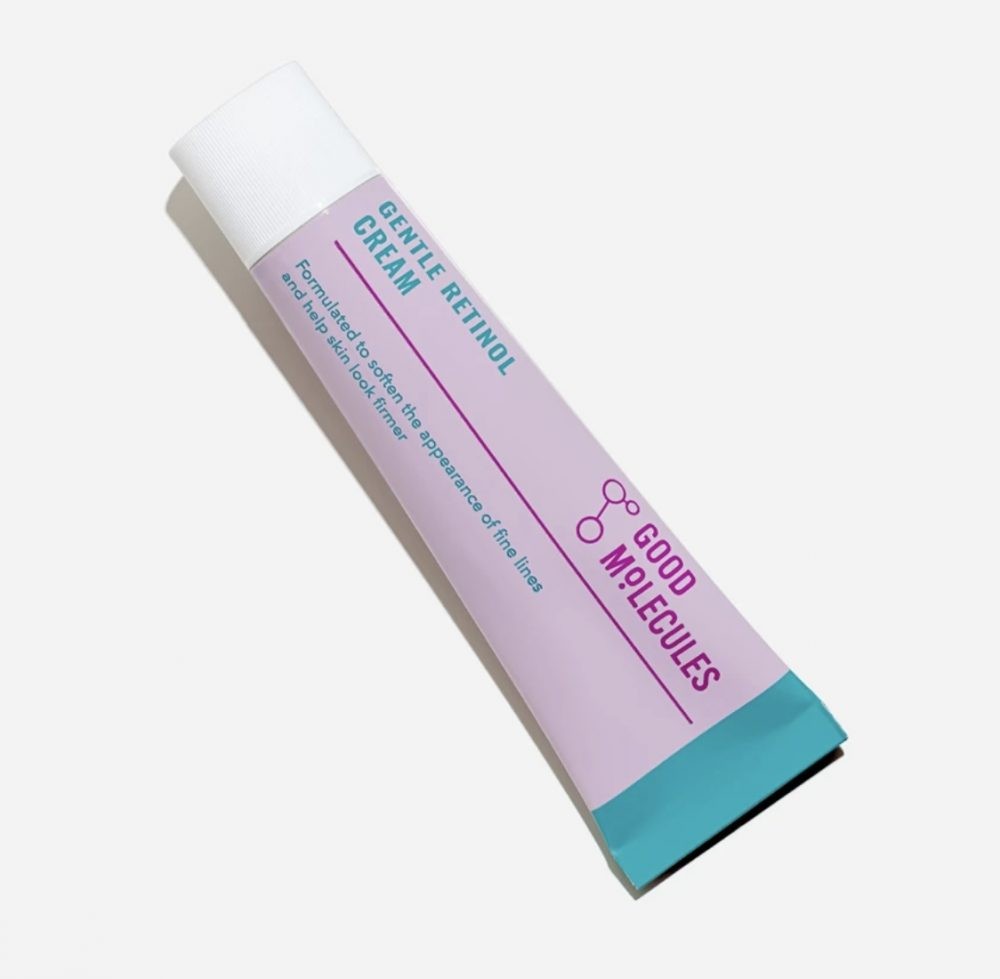
The Good Molecules Gentle Retinol Cream takes a deliberate approach to the retinol and skin barrier challenge at the product formulation level. By delivering retinol within a hydrating, soothing cream base alongside nourishing ingredients, it provides the cell renewal and collagen stimulation benefits of retinol while the surrounding formula actively supports the barrier through the adjustment process.
For beginners or for anyone whose previous retinol and skin barrier experience involved significant disruption, starting here rather than with a more potent formula gives the skin the gentlest possible introduction to retinol’s cellular activity. The cream format provides emollient moisture that partially offsets the drying effect of retinol during the first weeks of use.
Pros:
- Gentle retinol in a hydrating cream base minimises adjustment disruption for retinol and skin barrier safety
- Soothing and nourishing ingredients support barrier health alongside the active retinol delivery
- Appropriate for beginners, sensitive skin, and skin with a previous history of retinol barrier disruption
- Improves fine lines, tone, and texture in a formulation prioritising tolerability alongside efficacy
Cons:
- Gentler formulation produces more gradual results than higher-concentration retinol alternatives
- Small 30g size requires regular repurchasing for consistent nightly use
2. Dr Althea 0.1% Gentle Retinol Serum — Best Retinol Serum for Barrier-Conscious Treatment
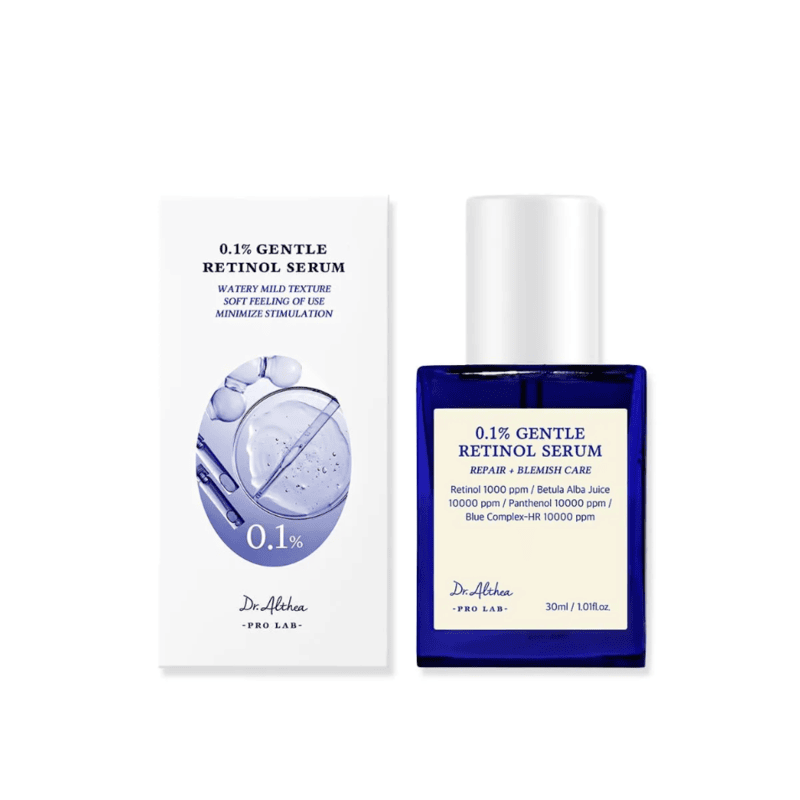
The Dr Althea 0.1% Gentle Retinol Serum makes the most intelligent formulation choice available for managing the retinol and skin barrier relationship in sensitive skin: pairing retinol with bakuchiol. Bakuchiol is a plant-derived compound with its own retinol-like anti-ageing activity through a separate molecular pathway, and its anti-inflammatory properties directly reduce the inflammatory signalling that makes the retinol and skin barrier adjustment period uncomfortable and discouraging.
This combination means the formula is not merely reducing retinol concentration to reduce disruption. It is actively addressing the inflammatory mechanism that causes disruption, producing better tolerability without sacrificing the cell renewal and collagen stimulation that make retinol worth using.
Pros:
- Bakuchiol reduces the inflammation driving retinol and skin barrier adjustment period discomfort
- 0.1% pure retinol at the most appropriate starting concentration for sensitive and reactive skin
- Dual-pathway approach delivers comprehensive anti-ageing benefit with lower irritation than retinol alone
- Supports the consistent nightly use that produces long-term retinol and skin barrier improvement
Cons:
- Gradual results from the gentler combination may require patience over three to six months
- Higher-tolerance skin may eventually want a stronger formulation after building baseline tolerance here
3. Some By Mi Retinol Intense Advanced Triple Action Eye Cream — Best Retinol for the Most Vulnerable Skin Zone
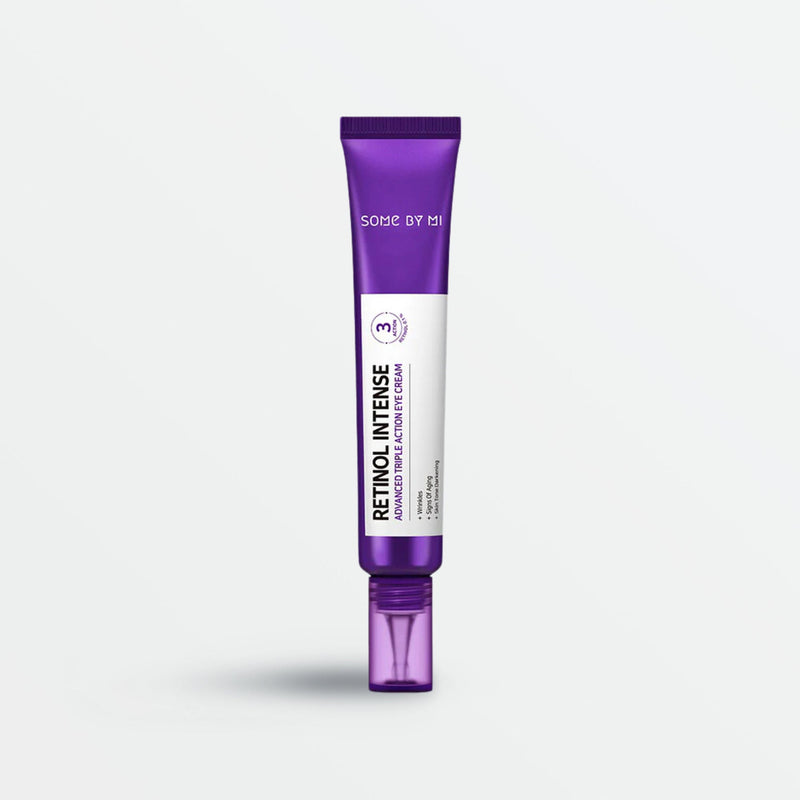
The under-eye area is where retinol and skin barrier disruption is most acutely experienced because the orbital skin is the thinnest on the face, most oil-gland depleted, and most reactive to the cell turnover acceleration that retinol produces. Using face-grade retinol products around the eyes without eye-specific formulation creates disproportionate disruption in this zone compared to the rest of the face.
The Some By Mi Retinol Intense Advanced Triple Action Eye Cream formulates retinol with peptides and niacinamide specifically for this zone, at a concentration calibrated to the tolerance limits of orbital skin. Niacinamide’s barrier-strengthening and anti-inflammatory activity supports the retinol and skin barrier relationship in the eye area specifically, while peptides contribute collagen stimulation through a complementary, non-irritating pathway.
Pros:
- Eye-specific retinol calibration protects the most vulnerable retinol and skin barrier zone
- Niacinamide strengthens the orbital barrier’s ceramide content during active retinol treatment
- Peptides add collagen stimulation through a gentler separate mechanism alongside retinol
- Addresses fine lines, dark circles, and puffiness comprehensively in an appropriately formulated product
Cons:
- Structural improvements develop over six to eight weeks rather than being immediately visible
- Should be introduced gradually even in eye-specific formula for those new to periorbital retinol use
Products That Protect the Barrier During Retinol Use
4. CeraVe Hydrating Cleanser — Best Morning Cleanser for Retinol and Skin Barrier Protection
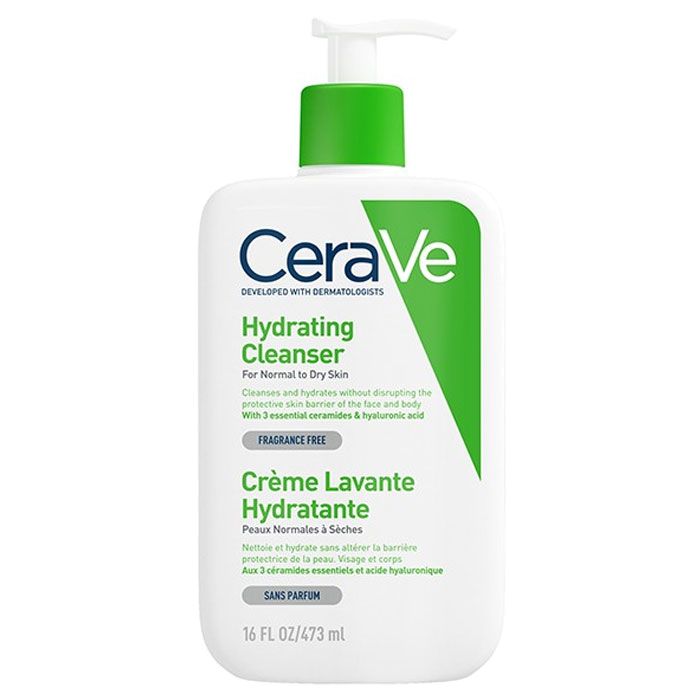
The morning after retinol is when the retinol and skin barrier vulnerability is highest. Cell turnover acceleration from the previous night’s application has temporarily increased barrier permeability, making the morning cleanser the most consequential product choice in the entire day’s routine. A stripping, alkaline, or fragranced cleanser at this moment amplifies the overnight barrier disruption rather than allowing it to resolve.
The CeraVe Hydrating Cleanser (16oz) provides a ceramide and hyaluronic acid-supported cleanse that maintains barrier hydration and lipid content while removing surface debris. Applied every morning after retinol use, it creates the most recovery-supportive skin environment for the barrier before the rest of the morning routine is applied.
Pros:
- Ceramides and hyaluronic acid maintain barrier integrity during the most vulnerable post-retinol cleansing window
- Fragrance-free, non-stripping formula prevents compounding the retinol and skin barrier overnight disruption
- Suitable for twice-daily use throughout retinol treatment for consistent barrier-protective cleansing
- Prepares skin optimally for the barrier serum and moisturiser applied after morning cleansing
Cons:
- Very dry skin may need a heavier moisturiser applied after rather than relying on the cleanser’s hydration alone
- Gentle formula may not fully remove heavy SPF or makeup without a dedicated first cleanse step
5. Anua Rice 7 Ceramide Hydrating Barrier Serum — Best Morning Barrier Serum for Retinol Users
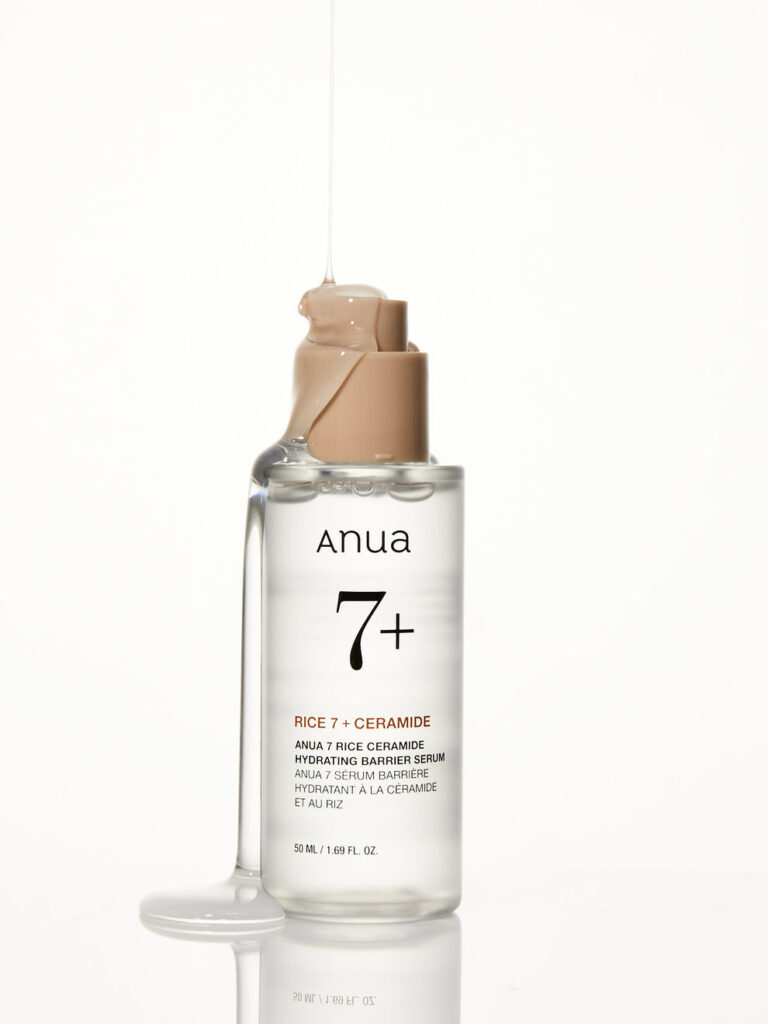
The Anua Rice 7 Ceramide Hydrating Barrier Serum (50ml) is the most directly targeted barrier recovery product available for the morning after retinol, delivering seven ceramide types in a lightweight serum that penetrates efficiently and rebuilds the specific barrier lipids that retinol’s cell turnover acceleration temporarily depletes.
Applied every morning after the CeraVe Hydrating Cleanser, it delivers the ceramide replenishment that transforms the retinol and skin barrier relationship from one of ongoing disruption to one of nightly activity and morning repair. This cycle, retinol accelerates turnover and temporarily increases permeability in the evening, ceramide serum repairs and replenishes the barrier in the morning, is the foundation of sustainable long-term retinol use.
Pros:
- Seven ceramide types comprehensively replenish the barrier lipids depleted by retinol use
- Lightweight serum format absorbs efficiently and layers well before moisturiser and SPF
- Rice extract provides antioxidant and barrier-supporting benefits alongside ceramide delivery
- Creates the morning repair cycle that makes consistent retinol and skin barrier management sustainable
Cons:
- Barrier-support focused serum without additional brightening or anti-ageing actives
- Requires consistent daily morning application to maintain the repair cycle that retinol use demands
6. La Roche-Posay Cicaplast Baume B5 — Best Rescue Product for Retinol and Skin Barrier Damage
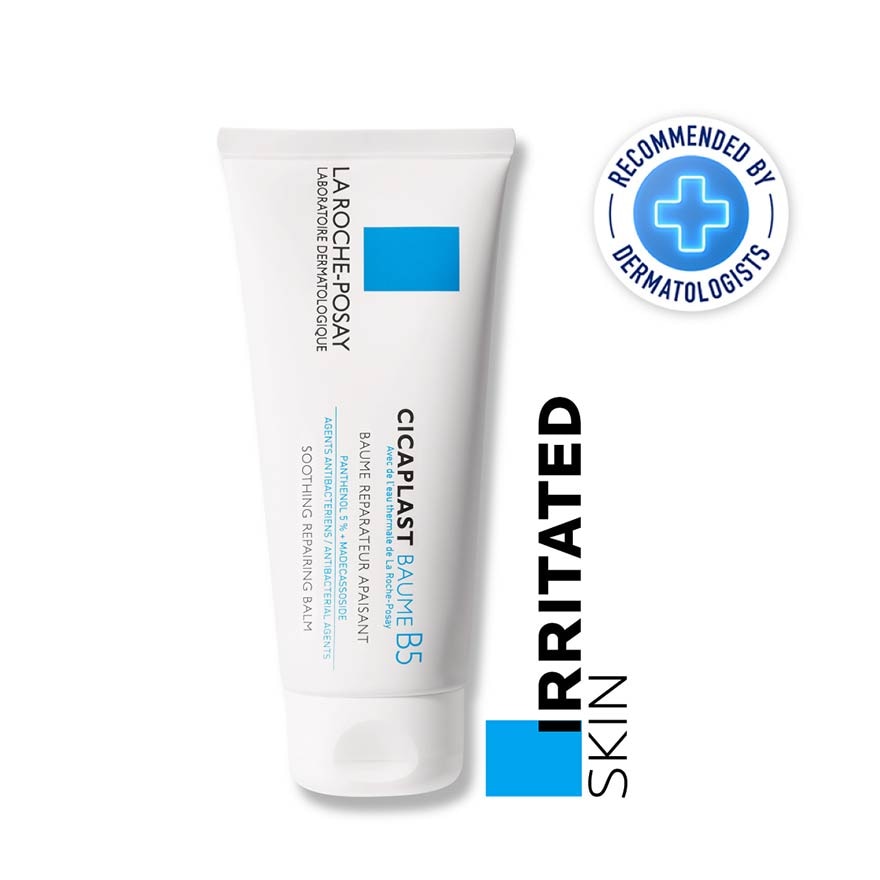
The La Roche-Posay Cicaplast Baume B5 is the product that handles the worst-case scenario of retinol and skin barrier interaction: genuine, prolonged barrier damage from misuse, excessive concentration, or failure to support the barrier adequately during the adjustment period.
Panthenol (Vitamin B5) accelerates the barrier’s own repair processes by promoting epidermal cell migration and proliferation, directly rebuilding the stratum corneum from within. Shea butter provides occlusive protection that stops the TEWL cycle from perpetuating the disruption. Together, they provide the intensive, fast-acting repair that genuine retinol and skin barrier damage requires before retinol use can safely resume.
Pros:
- Panthenol and shea butter provide intensive barrier repair for genuine retinol and skin barrier damage
- Immediately reduces the redness, tightness, and burning of a compromised barrier from retinol misuse
- Occlusive protection stops TEWL from perpetuating the disruption cycle
- Safe for the most sensitised and damaged skin during complete retinol pause periods
Cons:
- Rich occlusive texture is too heavy for daily use on oily skin as a regular moisturiser
- Best reserved for barrier disruption recovery periods rather than routine daily use
7. SKIN1004 Madagascar Centella Ampoule — Best Anti-Inflammatory Support for Retinol and Skin Barrier Adjustment
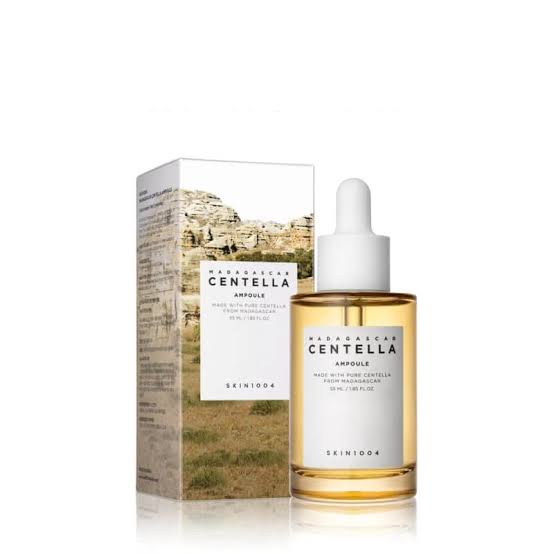
Inflammation is the mechanism that makes the retinol and skin barrier adjustment period feel worse than the cell turnover disruption alone would suggest. Retinol’s accelerated cell renewal triggers an inflammatory response in reactive skin that produces redness, stinging, and sensitivity disproportionate to the actual structural disruption. Addressing this inflammatory component makes the adjustment period manageable for skin types that would otherwise abandon retinol before results appear.
The SKIN1004 Madagascar Centella Ampoule (55ml) delivers high-concentration Centella Asiatica extract in a lightweight formula that can be applied before retinol as a calming base layer or used as a morning recovery serum. Centella’s madecassoside and asiaticoside compounds reduce inflammatory signalling while actively supporting barrier integrity, making the retinol and skin barrier coexistence more comfortable and more sustainable.
Pros:
- High Centella Asiatica concentration reduces the inflammatory component of retinol and skin barrier adjustment
- Can be applied before retinol to create a calmer base or after as a morning calming recovery step
- Barrier-supporting Centella compounds complement retinol’s collagen stimulation activity
- Lightweight, gentle formula suitable for even the most reactive skin during active retinol adjustment
Cons:
- Soothing and barrier-support focused without additional anti-ageing actives beyond Centella’s natural properties
- Requires consistent use throughout the retinol adjustment period rather than occasional application
Building a Routine Around Retinol and Skin Barrier Safety
Evening: CeraVe Hydrating Cleanser. SKIN1004 Centella Ampoule as a calming base. Your chosen retinol product. La Roche-Posay Cicaplast Baume B5 or ceramide moisturiser to seal.
Morning: CeraVe Hydrating Cleanser. Anua Rice 7 Ceramide Serum for barrier replenishment. Moisturiser. SPF without exception.
Frequency: Two evenings per week for the first four weeks. Three to four evenings from weeks five to eight. Nightly from week nine if skin demonstrates tolerance.
All seven products in this retinol and skin barrier guide are available at Perona Beauty. Find us at Praise Plaza, 26 Osuntokun Avenue, Opposite House 25, Bodija, Ibadan, where our team will help you build the right retinol routine for your skin type and barrier history.
Retinol Does Not Have to Be Feared to Be Used Wisely
The concern about retinol and skin barrier damage is understandable and not entirely without basis. But it is also resolvable with the right products, the right introduction protocol, and the right expectations. The adjustment period is real. The long-term benefit is also real. The difference between skin that experiences permanent barrier damage from retinol and skin that emerges from the adjustment period with progressively better barrier function is almost entirely a matter of approach, not of ingredient compatibility.
Seven products, carefully selected to address every dimension of retinol and skin barrier management, sit between you and the transformation that consistent, well-supported retinol treatment produces. Use them in the right sequence, at the right frequency, and give the biology the time it needs.
Frequently Asked Questions About Retinol and Skin Barrier
How do I know if my skin barrier is damaged from retinol?
Signs of genuine retinol and skin barrier damage include persistent redness that does not resolve between applications, burning sensations from previously tolerated products, chronic tightness despite moisturiser use, and worsening rather than stabilising disruption after four weeks of twice-weekly use. The standard adjustment period involves temporary discomfort that progressively reduces. Barrier damage involves discomfort that remains constant or worsens.
Can I keep using retinol if my skin is flaking?
Mild, stabilising flaking in the first two to four weeks is expected and does not indicate barrier damage. Flaking that worsens beyond week four suggests the retinol and skin barrier balance needs adjustment: reduce frequency, add the Cicaplast Baume B5 as a nightly sealing step, and ensure morning ceramide support with the Anua serum before resuming the previous schedule.
Is it safe to use retinol every night eventually?
Yes, for most skin types after a gradual build-up over three months. The retinol and skin barrier relationship stabilises as tolerance develops, and nightly use at appropriate concentrations produces the most consistent collagen-building and cell-renewal results. The key is reaching nightly use gradually rather than beginning there.
Does pregnancy affect retinol and skin barrier safety?
Retinol is contraindicated during pregnancy regardless of concentration or barrier status. The retinol and skin barrier discussion is irrelevant in this context: all forms of topical vitamin A should be discontinued during pregnancy and breastfeeding and replaced with barrier-supportive alternatives until it is safe to resume.