

Azelaic acid and retinol are recommended for dark marks, breakouts and uneven texture so often that they are easy to mistake for the same product. They are not. One works by calming and blocking, the other by speeding up and renewing, and choosing the wrong one means weeks of effort with little to show for it.
The difference between azelaic acid and retinol is simple once you see how each one treats your skin. It explains why one suits sensitive, red or breakout-prone skin, while the other suits lines, rough texture and stubborn pores. We will break it down in plain terms, help you work out which one matches your skin, and then show you six products worth starting with.
Let’s Start With a Quick Skin Check
Before the science, answer these honestly.
Does your skin go red easily, sting when you try new products, or break out and leave marks behind? That points towards azelaic acid.
Are you noticing fine lines, rough texture, dull skin or stubborn clogged pores? That points towards retinol.
Both sets of answers? Then you will probably end up using both, and that is perfectly fine. This is where understanding the difference between azelaic acid and retinol helps you build a routine instead of a pile of products.
Azelaic Acid: The Calm-Down Pathway
Azelaic acid works like a skilled negotiator. It does not force your skin to change. It steps in and quietly stops specific things from going wrong.
It is a calming anti-inflammatory and an enzyme blocker. It switches off tyrosinase, the enzyme that overproduces pigment, but only in overactive cells, so dark marks fade without touching your natural tone. It disrupts the bacteria behind inflamed pimples. It calms the inflammatory signals behind redness and rosacea. And it gently loosens the build-up that blocks pores.
Notice what it does not do. It does not speed up your skin or rebuild collagen. That restraint is its superpower. It is why azelaic acid is gentle, safe for deeper skin tones and considered suitable during pregnancy. It is also why it cannot do everything retinol can.
Retinol: The Speed-Up Pathway
Retinol is the opposite. It is a Vitamin A derivative that speeds up cellular turnover, forcing old cells to shed and new ones to arrive. If azelaic acid is a negotiator, retinol is a coach shouting “faster!”
Once your skin converts retinol into its active form, your cells start behaving differently. Turnover accelerates. Collagen and elastin production rises. Clogged pores clear from deep inside, where surface ingredients cannot reach. Over weeks, you see smoother texture, fewer lines and a clearer surface.
The trade-off is a bit of adjustment. Expect some dryness at first, strict evening-only use and daily SPF. For anyone with deep texture concerns or early ageing, though, it is the ultimate powerhouse. This is the other half of the difference between azelaic acid and retinol: one suppresses what is going wrong, the other transforms how your skin performs.
9 Contrasts That Explain the Difference Between Azelaic Acid and Retinol
Use this as your cheat sheet. Screenshot it if you like.
- How it works: Azelaic acid blocks and soothes. Retinol activates and accelerates.
- Sun sensitivity: Azelaic acid is mild. Retinol demands evening use and morning SPF.
- Pregnancy: Azelaic acid is considered safe. Retinol is not.
- Getting started: Azelaic acid needs no adjustment period. Retinol needs a gradual start.
- Redness: Azelaic acid helps directly. Retinol does not.
- Anti-ageing: Retinol leads by a mile. Azelaic acid has little effect here.
- Speed: Azelaic acid shows changes in two to four weeks. Retinol needs eight to twelve.
- Dark marks: Azelaic acid stops pigment being made. Retinol sheds cells that already hold it.
- Together: They complement each other, which is the most useful difference between azelaic acid and retinol to remember.
So Which One Should You Pick First?
Here is our honest advice. If your skin is sensitive, red or recovering from breakouts, start with azelaic acid. Let it settle your skin for four to six weeks. It is the easiest win in skincare.
If your skin is calm and you are bothered by lines, rough texture or deep pores, go straight to a gentle retinol and build up slowly.
If you want both, use azelaic acid in the morning and retinol at night. The difference between azelaic acid and retinol in timing makes this split easy, because one is happy in daylight and the other is not. It also means you never put two strong actives on your face in the same sitting.
6 Products Worth Trying
Azelaic Acid Picks
1. Medicube Azelaic Acid 16 BB Soothing Serum
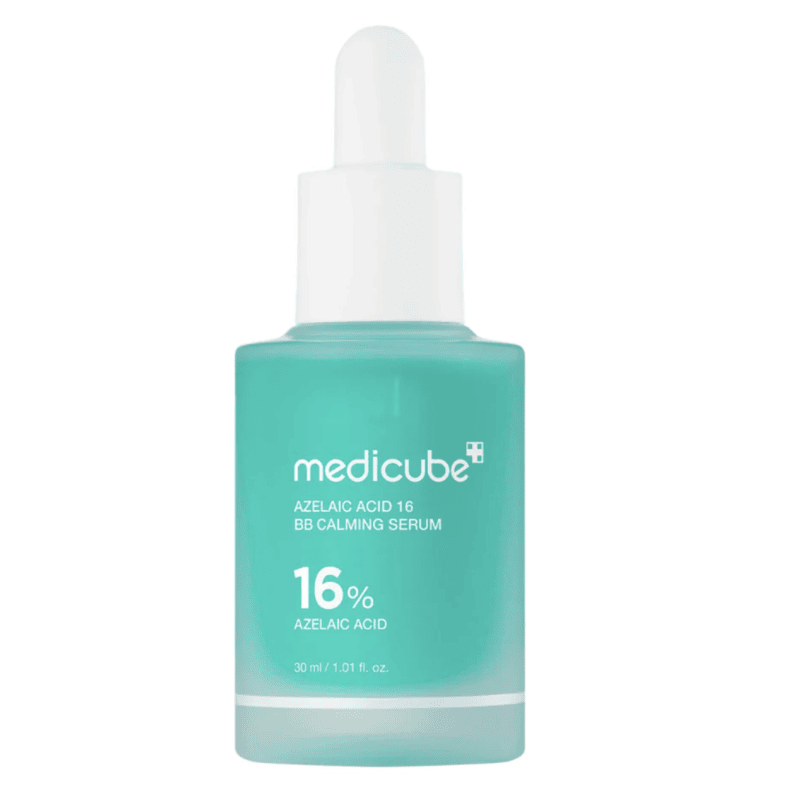
If pimples leave marks on your skin, this 30ml serum is a smart first buy. It soothes blemish-prone skin and works on redness, dark spots and uneven tone. It sits lightly on the skin, so it works for morning or evening. This is the calming side of the difference between azelaic acid and retinol in a bottle.
Pros:
- Eases blemish-related redness and dark marks
- Light texture that is easy to layer
- Supports a clearer, more even complexion
- Gentle on reactive skin
Cons:
- Will not help with wrinkles or deep texture
- Fading marks takes patience, usually two to three months
2. Anua Azelaic Acid 10% + Hyaluron Redness Soothing Serum
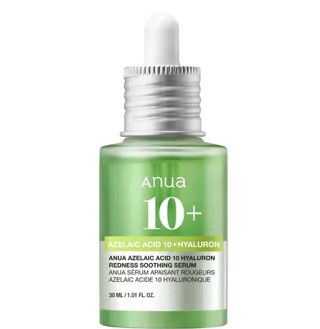
For skin that flushes and stings, this is the softest landing. Ten percent azelaic acid does the calming while hyaluronic acid keeps your face hydrated. It smooths the look of redness, blemishes and post-acne marks without leaving skin feeling tight.
This serum shows the difference between azelaic acid and retinol clearly, because it soothes sensitive skin where retinol would stir things up.
Pros:
- Calms redness and blemishes
- Hyaluronic acid adds lightweight hydration
- Helps fade post-acne marks over time
- Comfortable for sensitive skin
Cons:
- Better for calming than for anti-ageing
- Small 30ml size means regular repurchasing
3. Naturium Azelaic Topical Acid 10%
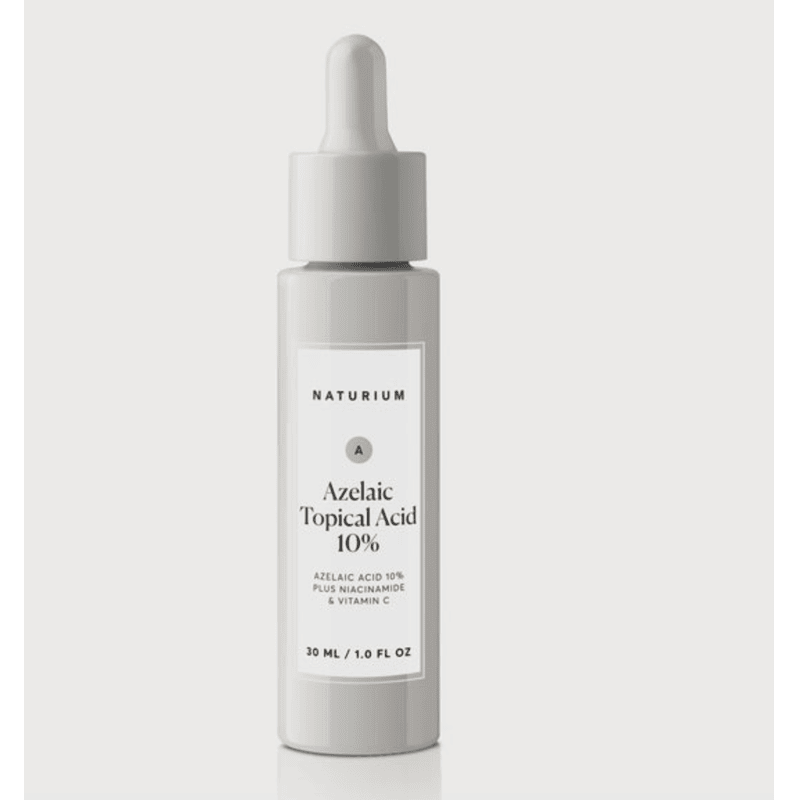
This is the multitasker. A glycinated azelaic acid complex joins niacinamide and vitamin C to work on dark spots, redness, oil and texture in one 30ml serum. If you like a short routine, it earns its place without bringing retinol into the picture yet.
Pros:
- Three actives address several concerns together
- Helps control excess oil and brighten tone
- Works well for acne-prone and sensitive skin
- Lightweight enough for Nigeria’s climate
Cons:
- Vitamin C may tingle at first on very sensitive skin
- Not a substitute for retinol’s anti-ageing action
Retinol Picks
4. Dr Althea 0.1% Gentle Retinol Serum
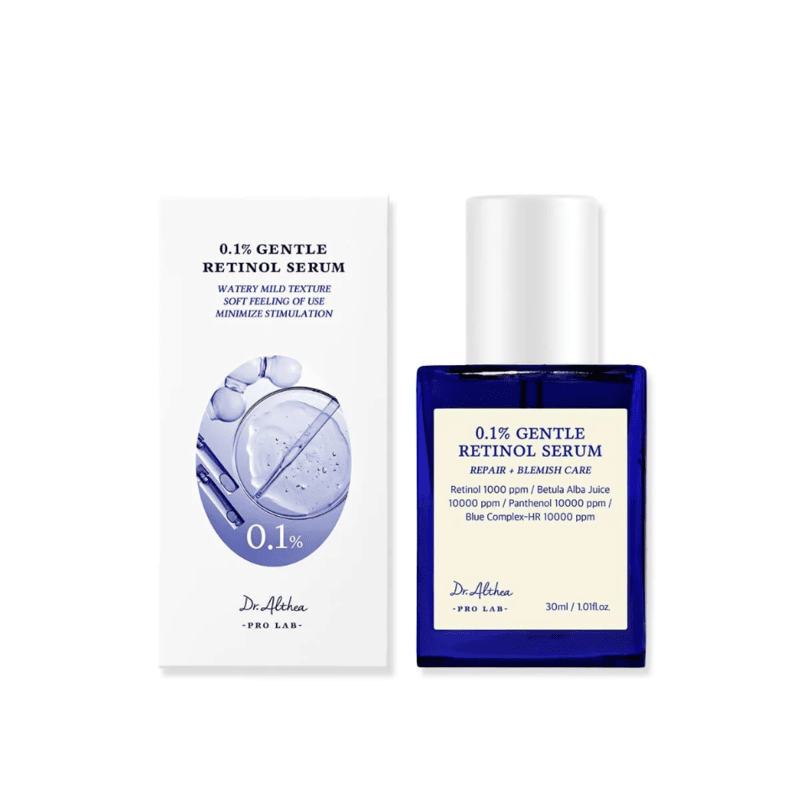
This is the first retinol we suggest for beginners. The 0.1% retinol is paired with bakuchiol, which keeps irritation low while renewal gets going. It is the gentlest bridge from the calming side of the difference between azelaic acid and retinol to the transforming side.
Pros:
- Beginner-friendly strength with calming bakuchiol
- Softens fine lines and rough texture gradually
- Easy to use consistently, which is what gives results
- Perfect for nighttime routines in Lagos and beyond
Cons:
- Results come slowly at this strength
- Stronger skin may outgrow it after a few months
5. Some By Mi Retinol Intense Reactivating Serum
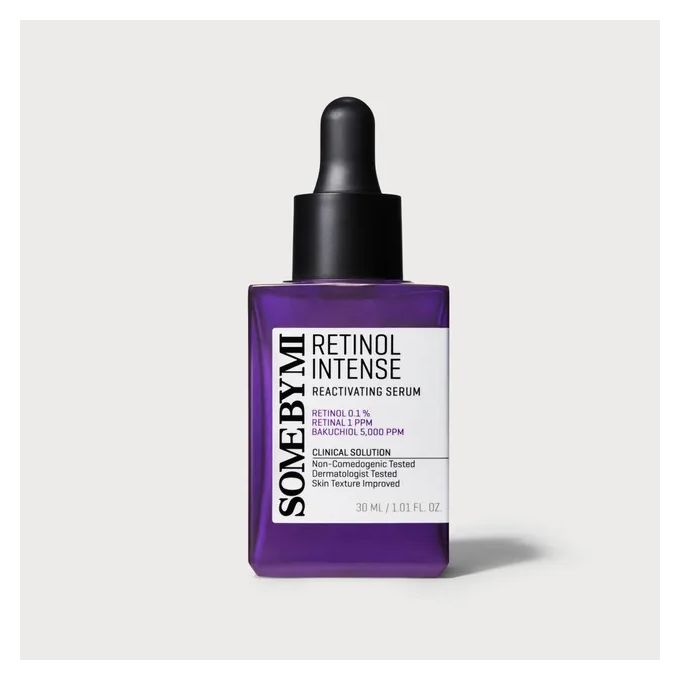
When your skin is used to retinol, this is a worthwhile upgrade. It combines retinol, retinal and bakuchiol to help with fine lines, wrinkles, enlarged pores and dullness. Retinal sits a step closer to the active form, so it works faster. It supports a firmer, clearer, more youthful look.
Pros:
- Retinal works faster than retinol alone
- Tackles lines, pores, texture and dullness together
- Bakuchiol helps keep the formula tolerable
- Strong choice for committed anti-ageing care
Cons:
- Not for first-time retinol users
- Needs nightly consistency to pay off
6. COSRX The Retinol 0.5 Oil
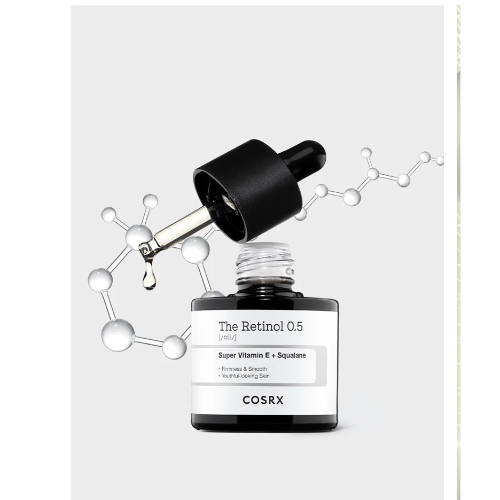
A stronger 0.5% retinol in a conditioning oil base. The oil cushions your skin while the retinol works, which makes higher strengths easier to live with. It suits you when you want visible smoothing and firming and already know your skin handles retinol well.
Pros:
- 0.5% retinol gives clear texture and ageing benefits
- Oil base reduces that tight, dry feeling
- Great for evening treatment routines
- Helps skin look smoother and more refined
Cons:
- Requires existing retinol tolerance
- May feel rich in peak heat
Using Both in One Routine
Morning: Cleanse, azelaic acid serum, moisturiser, SPF. The azelaic acid keeps working through the day while your sunscreen protects the results.
Evening: Cleanse, retinol, moisturiser. Begin with two nights a week and build up slowly over two to three months.
That is all it takes to make the difference between azelaic acid and retinol work for you instead of against you.
At Perona Beauty, we help customers sort out exactly this, and all six products above are available in store. Visit us at Praise Plaza, 26 Osuntokun Avenue, Opposite House 25, Bodija, Ibadan. Tell us what bothers you most about your skin, and we will help you choose.
The Difference Between Azelaic Acid and Retinol in One Sentence
Azelaic acid calms what is going wrong, and retinol upgrades how your skin works. That is the difference between azelaic acid and retinol, and now you can choose with confidence.
Start with the one your skin needs today, use it consistently, and add the other when you are ready. Your skin does not need more products. It needs the right ones at the right time, and we are here to help you find them.
Quick Answers on the Difference Between Azelaic Acid and Retinol
Can I use both on the same night?
You can, but it is not the best plan. Because of the difference between azelaic acid and retinol in timing, azelaic acid works well in the morning and retinol belongs in the evening. A split gives better results with less irritation.
Which is better for dark skin?
Azelaic acid is usually the safer main brightener for melanin-rich skin, since it blocks pigment without harsh exfoliation. Retinol also helps, but it needs careful SPF use to avoid reversing your progress.
Which works faster?
Azelaic acid, especially for redness. Retinol is the slower, deeper investment. That is a practical difference between azelaic acid and retinol worth remembering when you plan your expectations.
Should I start with azelaic acid before adding retinol?
If your skin is reactive, yes. Azelaic acid calms things down first, so retinol has an easier entry.