

Over-exfoliation and skin barrier damage is arguably the most ironic skincare outcome possible. People exfoliate to get clearer, smoother, more radiant skin. When they over-exfoliate, they get the opposite: reactive, sensitive, congested skin that looks worse than it did before the aggressive routine began. And the most common response to that outcome is more exfoliation, which deepens the damage further.
Understanding the relationship between over-exfoliation and skin barrier health breaks this cycle. It explains why the skin is behaving the way it is, what needs to happen to repair the damage, and how to return to exfoliation in a way that produces the results it was originally intended to achieve.
What Happens to the Barrier When You Over-Exfoliate
The skin barrier is the stratum corneum, the outermost skin layer composed of flattened cells bonded by a lipid matrix of ceramides, cholesterol, and fatty acids. It has two jobs: keep moisture inside the skin and keep irritants outside it. When it does both jobs effectively, skin is calm, hydrated, and resilient. When it is damaged, skin becomes dry, reactive, and prone to the breakouts and sensitivity that look exactly like the problems exfoliation was supposed to solve.
Over-exfoliation and skin barrier damage occurs when exfoliation happens more frequently than the skin can complete its recovery cycle. Each exfoliation session, whether physical or chemical, temporarily increases the barrier’s permeability by removing surface cells before their replacements have fully matured. This is expected and manageable at appropriate frequencies. When the next exfoliation session begins before the first recovery cycle is complete, the disruption accumulates. Repeated accumulation is what produces chronic barrier damage.
Ceramide depletion is the specific structural consequence that drives the visible symptoms of over-exfoliation and skin barrier damage. Ceramides constitute approximately half of the barrier’s lipid composition, and their systematic removal through repeated over-exfoliation produces the porous, moisture-losing barrier from which all downstream symptoms flow.
How to Tell if Your Exfoliation Routine Is Damaging Your Barrier
Over-exfoliation and skin barrier damage has a recognisable symptom profile that is distinct from normal skin concerns. Knowing what to look for prevents the misidentification that leads to responses that worsen the damage.
The most distinctive symptom is products stinging or burning that never caused that reaction before. The compromised barrier allows these products to penetrate to sensitised nerve endings rather than being blocked at the surface, which is why previously tolerated products become suddenly intolerable during over-exfoliation and skin barrier disruption.
Skin that looks simultaneously shiny and flaky is another characteristic sign. The shininess reflects the compromised surface integrity of the damaged barrier. The flakiness reflects the disorganised, accelerated shedding that repeated over-exfoliation produces.
Breakouts appearing in new areas after increasing exfoliation frequency indicate over-exfoliation and skin barrier damage. A compromised barrier is more permeable to acne-causing bacteria, producing more breakouts precisely when people assume more exfoliation is needed, which typically leads to more exfoliation and more damage.
The Most Common Over-Exfoliation Mistakes
Most over-exfoliation and skin barrier damage comes from a handful of predictable mistakes. Identifying which applies to your routine is the first step toward stopping the damage.
Using AHAs and BHAs in the same routine step delivers double exfoliation without the recovery time either acid requires. Using a leave-on acid alongside a retinoid adds two separate cell-turnover accelerating mechanisms to the same evening without accounting for their compounded effect on the barrier.
Starting a new exfoliant at the frequency recommended for skin that has built tolerance rather than skin that is just beginning is one of the most common single sources of over-exfoliation and skin barrier damage. A product recommended for daily use is recommended for daily use after tolerance is established, not from day one.
Responding to new breakouts by increasing exfoliation frequency is the most self-perpetuating cause of ongoing over-exfoliation and skin barrier damage. Barrier-disruption breakouts look identical to congestion breakouts, and treating them with more exfoliation compounds the damage that caused them.
9 Rules for Exfoliating Without Damaging Your Skin Barrier
- Never use AHAs and BHAs in the same application step. Alternate them on different evenings if using both.
- Introduce one exfoliant at a time and wait four weeks before adding another. Your skin cannot tell you what is causing a reaction when multiple new actives are introduced simultaneously.
- Start at the lowest available frequency and build up. Begin new exfoliants twice weekly and increase only after four weeks of no significant disruption.
- Never combine retinoids and acids on the same evening. Alternate evenings if using both in your routine.
- Remove physical scrubs from any routine that already contains chemical exfoliants. Physical and chemical exfoliation on the same skin produces compounded disruption.
- Apply SPF every morning without exception after any chemical exfoliant. UV damage on exfoliant-sensitised skin compounds over-exfoliation and skin barrier disruption significantly.
- Stop exfoliating immediately if your skin stings from products that previously did not cause stinging. This is the earliest reliable indicator of over-exfoliation and skin barrier damage.
- Always pair exfoliants with barrier-supportive products. Ceramide moisturisers and hydrating serums applied after exfoliation reduce the disruption window and support faster recovery.
- Take a complete exfoliation break every six to eight weeks. A week without any actives allows the barrier to consolidate the recovery it has been managing between sessions.
5 Products for Over-Exfoliation and Skin Barrier Recovery
1. Bioderma Créaline Cleansing Gel Moussant — Best Cleanser for Barrier Recovery
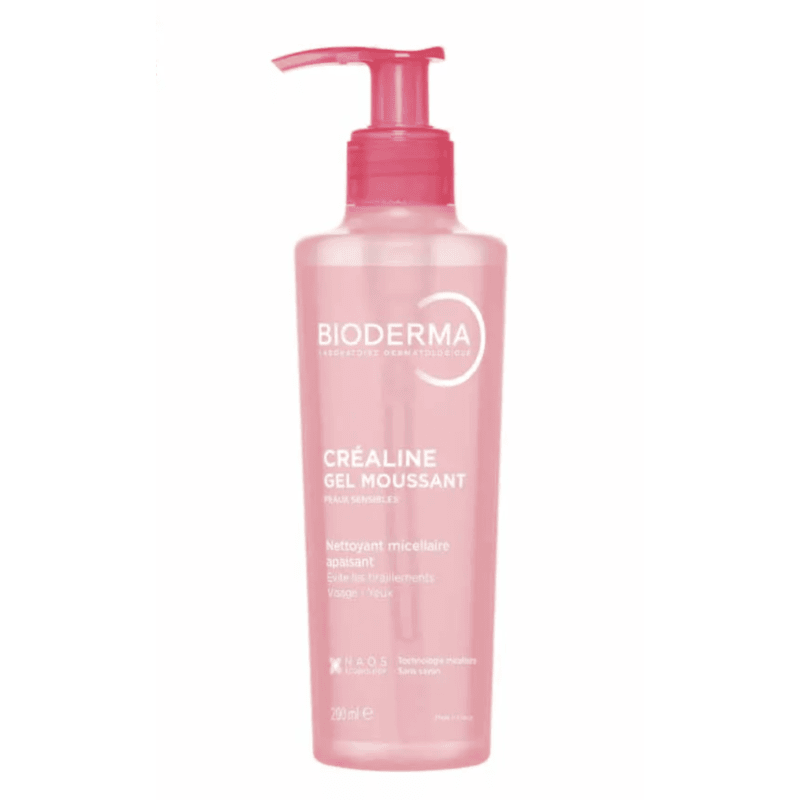
The cleanser is the most consequential product choice during over-exfoliation and skin barrier recovery because it is used twice daily on a barrier that is already depleted and needs every application to support rather than further compromise its repair. The Bioderma Créaline Cleansing Gel Moussant (200ml) is built around a formulation philosophy that respects sensitive and reactive skin, removing impurities without the aggressive surfactant activity that strips barrier lipids from already ceramide-depleted skin.
The post-cleanse feel is the most reliable indicator of whether a cleanser is appropriate during over-exfoliation and skin barrier recovery. Skin that feels tight, dry, or uncomfortable after cleansing has experienced barrier lipid loss at that step. Skin that feels clean and comfortable has been cleansed without barrier depletion. Bioderma Créaline consistently produces the second outcome, making it one of the most recovery-appropriate cleansers available.
Pros:
- Gentle foaming formula cleanses without stripping the ceramide-depleted barrier further during recovery
- Leaves skin clean and comfortable without the tightness that indicates barrier lipid loss
- Appropriate for the most reactive skin states during active over-exfoliation and skin barrier recovery
- Removes impurities effectively while maintaining the skin’s natural balance
Cons:
- Does not contain active barrier repair ingredients, requiring dedicated ceramide serums to follow
- May need a separate makeup remover for heavy or waterproof formulations
2. Haruharu Black Rice Hyaluronic Toner — Best Toner for Hydrating a Damaged Barrier
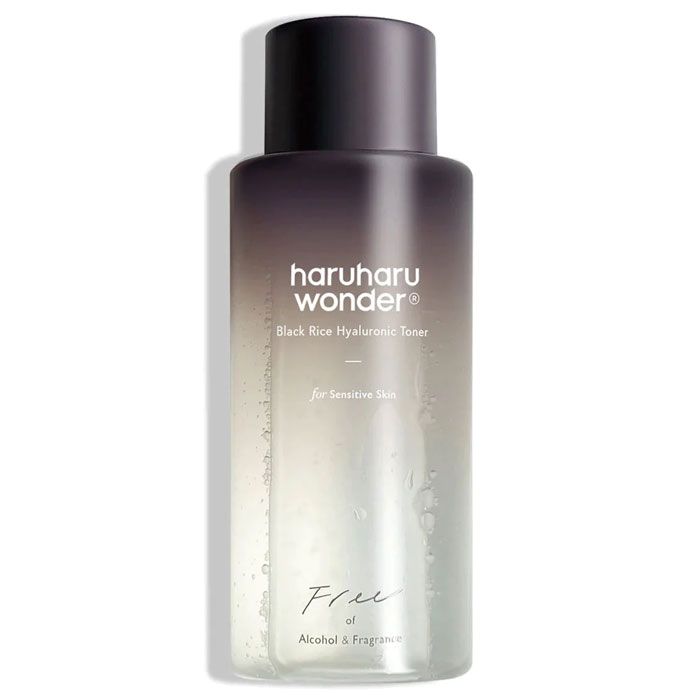
The elevated TEWL that accompanies over-exfoliation and skin barrier damage means the skin is losing moisture at an accelerated rate that standard moisturising products struggle to compensate for alone. Introducing a hydrating toner as an additional moisture-delivery step between cleansing and serums significantly improves the overall hydration available to the damaged barrier during recovery.
The Haruharu Black Rice Hyaluronic Toner addresses both the hydration deficit and the inflammatory environment of over-exfoliation and skin barrier damage simultaneously. Black rice extract delivers antioxidant anthocyanins that reduce oxidative stress and inflammation, creating a calmer skin environment for the barrier repair products that follow. Hyaluronic acid draws moisture into skin cells and holds it there, partially compensating for the moisture loss that the damaged barrier cannot currently prevent on its own.
Pros:
- Black rice antioxidants reduce inflammation that perpetuates over-exfoliation and skin barrier reactivity
- Hyaluronic acid provides compensatory hydration for the elevated TEWL of a damaged barrier
- Specifically formulated for sensitive skin at the concentration and gentleness recovery requires
- Creates a hydrated, calmed skin surface for optimal absorption of barrier repair serums after
Cons:
- Hydrating toner without ceramides requires a dedicated repair serum for structural barrier recovery
- Most effective as part of a layered recovery routine rather than as a standalone recovery product
3. Face Facts Barrier Repair Ceramide Serum — Best Ceramide Serum for Structural Barrier Repair
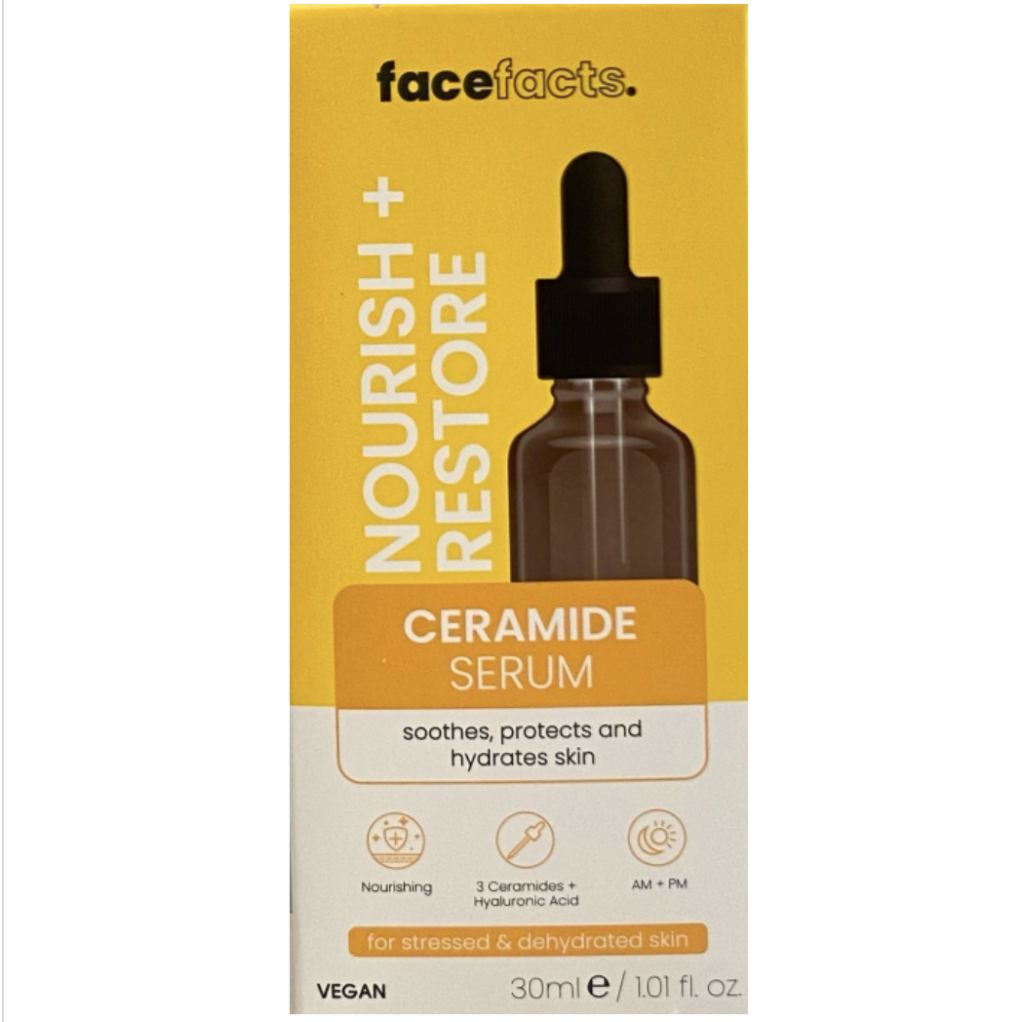
The Face Facts Barrier Repair Ceramide Serum is the most structurally targeted product in this guide for over-exfoliation and skin barrier damage specifically because ceramide replenishment addresses the primary structural deficit that over-exfoliation produces. Topically applied ceramides integrate into the barrier’s lipid matrix and directly rebuild the mortar structure that over-exfoliation dissolved.
Niacinamide in the formula provides compound benefit by stimulating the skin’s own ceramide synthesis alongside the topically delivered ceramides, amplifying the barrier rebuilding activity through both external replenishment and internal production support. Hyaluronic acid maintains cellular hydration while the structural repair takes place. The combination of these three ingredients in a single serum makes it the most comprehensive single-step repair product for over-exfoliation and skin barrier recovery.
Pros:
- Ceramides directly replenish the barrier lipids specifically depleted by over-exfoliation
- Niacinamide stimulates endogenous ceramide production for compound barrier rebuilding benefit
- Hyaluronic acid maintains cellular hydration during the structural repair process
- Calms sensitivity and reduces the reactivity that accompanies over-exfoliation and skin barrier damage
Cons:
- Structural repair develops over two to four weeks rather than producing immediate visible results
- Works best as the central product in a complete recovery routine rather than in isolation
4. Some By Mi Beta Panthenol Repair Cream — Best Moisturiser for Active Barrier Repair
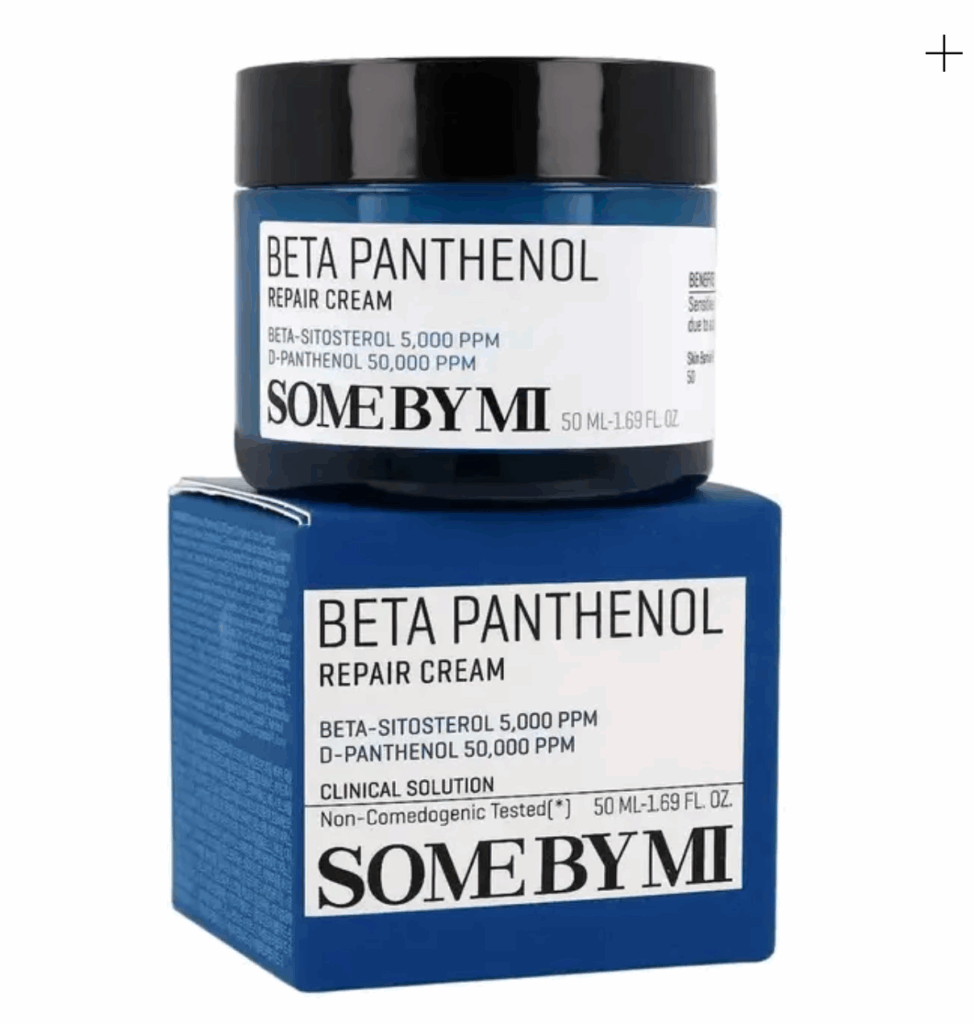
Selecting the moisturiser for over-exfoliation and skin barrier recovery requires a product that does more than seal the surface. It needs to actively accelerate the repair of the stratum corneum while providing the anti-inflammatory support that reduces the redness and sensitivity of a damaged barrier. The Some By Mi Beta Panthenol Repair Cream (50ml) meets both requirements through its Beta-Sitosterol and Panthenol complex.
Beta-Sitosterol calms the inflammatory signalling that perpetuates the reactive skin state of over-exfoliation and skin barrier damage. Its plant sterol mechanism is distinct from niacinamide’s anti-inflammatory pathway, providing broader inflammatory suppression when both are used together across the routine. Panthenol promotes epidermal cell migration and proliferation, which directly rebuilds the cell structure of the stratum corneum that over-exfoliation has disrupted. Together, the two actives make this cream more than an occlusive sealant. It is an active repair treatment.
Pros:
- Panthenol promotes epidermal cell repair and proliferation for active stratum corneum rebuilding
- Beta-Sitosterol provides anti-inflammatory support that reduces over-exfoliation and skin barrier reactivity
- Dermatologist-tested formulation appropriate for the most sensitive and reactive recovery-phase skin
- Seals in ceramide serum and toner layers for complete moisture retention during recovery
Cons:
- Richer texture is more appropriate for dry and normal skin types than oily skin in very warm weather
- 50ml size may require monitoring and repurchasing across a four to eight week recovery period
5. Dang 5% Mandelic Acid 3-in-1 Foaming Face Wash — Best Gentle Reintroduction After Recovery
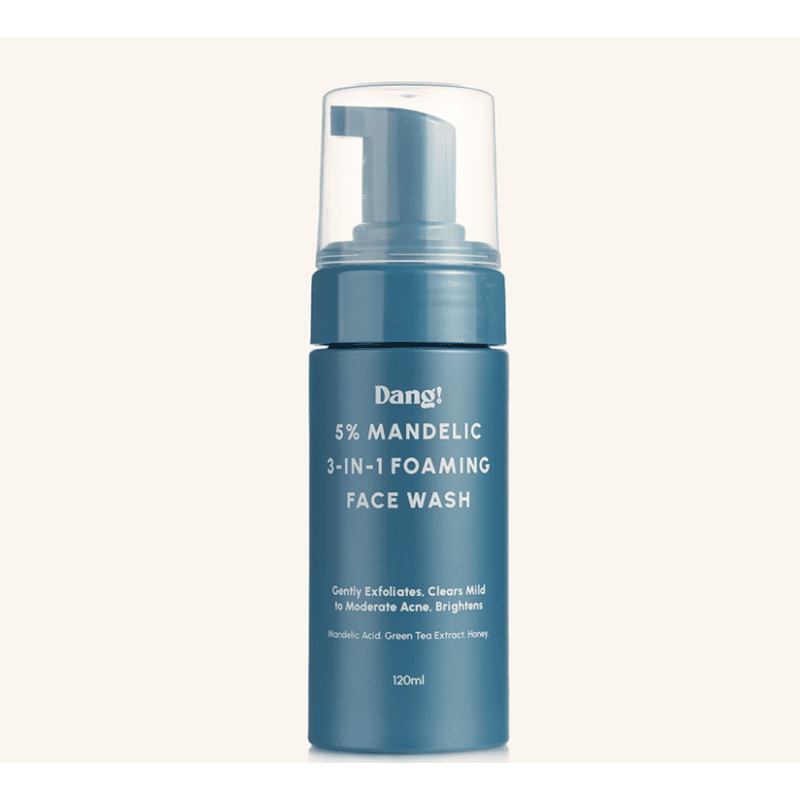
Returning to exfoliation after over-exfoliation and skin barrier recovery requires the most gradual reintroduction possible. The same products and frequencies that caused the damage will cause it again if reintroduced immediately after recovery. Mandelic acid is the most appropriate reintroduction acid because its large molecular size produces the slowest penetration rate and lowest irritation potential of any commonly available AHA.
At 5% in a wash-off cleanser format, the Dang Mandelic Acid 3-in-1 Foaming Face Wash provides mild exfoliation with minimal contact time. This combination, low concentration, large molecule, and wash-off format, makes it the gentlest available first step back into chemical exfoliation after over-exfoliation and skin barrier damage.
Used once every three to four days for the first four weeks of reintroduction, it allows the skin to gradually rebuild tolerance toward more sustained and more frequent exfoliation without recreating the compounding disruption that caused the original damage.
Pros:
- Mandelic acid’s large molecular size provides the slowest penetration rate and lowest irritation of available AHAs
- Wash-off cleanser format limits contact time for the gentlest possible exfoliation reintroduction
- Clears pores and smooths texture without the sustained acid exposure of leave-on alternatives
- Appropriate for gradual return to chemical exfoliation after confirmed over-exfoliation and skin barrier recovery
Cons:
- Wash-off format provides less cumulative exfoliation benefit than leave-on alternatives for long-term use
- Should only be introduced after barrier stability has been confirmed over at least two consecutive weeks
The Recovery Routine and Reintroduction Timeline
During recovery (weeks one to four): Bioderma Créaline Cleansing Gel morning and evening. Haruharu Black Rice Hyaluronic Toner. Face Facts Barrier Repair Ceramide Serum. Some By Mi Beta Panthenol Repair Cream. SPF every morning. Zero exfoliants of any kind.
Reintroduction phase (weeks five to eight): Same repair routine maintained. Dang Mandelic Acid Cleanser introduced once every three to four days as the only exfoliating step. Monitor for any return of stinging, persistent redness, or barrier disruption symptoms before increasing frequency.
All five products in this over-exfoliation and skin barrier guide are available at Perona Beauty. Find us at Praise Plaza, 26 Osuntokun Avenue, Opposite House 25, Bodija, Ibadan, where our team will help you identify whether your current routine is causing barrier disruption and build the right recovery and maintenance plan.
The Barrier Is Not the Enemy of Exfoliation
Over-exfoliation and skin barrier damage does not mean exfoliation is bad. It means exfoliation, like every effective skincare practice, has boundaries within which it is beneficial and beyond which it becomes harmful. Understanding those boundaries, starting slowly, supporting the barrier throughout, and recognising the warning signs early, is what allows exfoliation to deliver the skin improvements it is genuinely capable of producing.
The five products in this guide represent the complete recovery toolkit: Bioderma Créaline for barrier-safe cleansing, Haruharu Black Rice Toner for hydration and inflammation reduction, Face Facts Barrier Repair Ceramide Serum for structural ceramide replenishment, Some By Mi Beta Panthenol Repair Cream for active barrier repair and sealing, and Dang Mandelic Acid Cleanser for the gentlest possible return to exfoliation after confirmed recovery.
Repair first. Return slowly. And keep the barrier health that makes every other skincare goal more achievable at the centre of every routine decision going forward.
Frequently Asked Questions About Over-Exfoliation and Skin Barrier Damage
Is tingling from exfoliants normal or a sign of over-exfoliation and skin barrier damage?
Mild, brief tingling from AHA products during the first few weeks of use can be normal as skin adjusts. Stinging or burning from products that previously caused no sensation, or tingling from products that are not acids, indicates over-exfoliation and skin barrier damage and should prompt an immediate pause in all exfoliating actives.
Can I use a face mask during over-exfoliation and skin barrier recovery?
Only if the mask is purely hydrating or soothing with no exfoliating actives. Clay masks should also be avoided during recovery as their drawing action increases TEWL on an already water-losing damaged barrier. Hydrating sheet masks or ceramide-infused masks are appropriate and supportive during over-exfoliation and skin barrier recovery.
How do I prevent over-exfoliation and skin barrier damage in the future?
The most reliable prevention is building exfoliation frequency slowly, never combining multiple exfoliating actives in the same session, always pairing exfoliants with barrier-supportive ceramide products, and recognising the early warning signs of over-exfoliation and skin barrier disruption before they become full damage. Taking one week off from all actives every six to eight weeks gives the barrier consolidation time it does not get during continuous active use.
Does over-exfoliation and skin barrier damage affect all skin types equally?
No. Thin, dry, and sensitive skin types are more susceptible to over-exfoliation and skin barrier damage because they have lower baseline ceramide content and less natural lipid protection. Oily and resilient skin types can tolerate more frequent exfoliation before barrier disruption occurs. However, all skin types can experience over-exfoliation and skin barrier damage when exfoliation is sufficiently excessive or aggressive.