
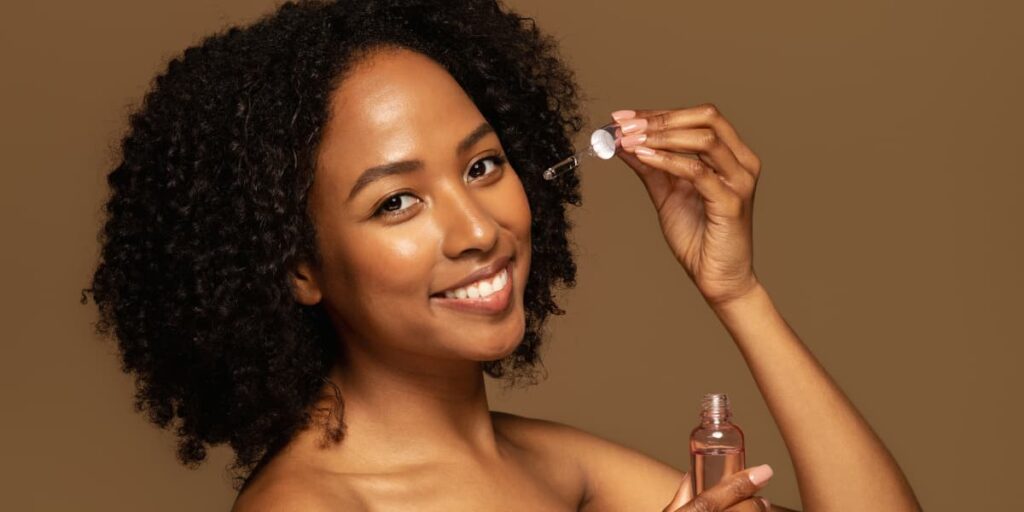
Retinol is the most discussed, most recommended, and most misunderstood ingredient in anti-ageing skincare. It sits at the intersection of proven clinical science and widespread consumer anxiety. People know they should be using it. They also know it can irritate, peel, and sensitise skin if used incorrectly. The result is a large group of people either avoiding it entirely or cycling through products without ever staying consistent long enough to see what it can genuinely do.
This guide cuts through the confusion about retinol in skincare routine planning and gives you what you actually need: a clear explanation of the science, an honest look at common mistakes, and six products that deliver retinol’s benefits at every experience level.
Why Retinol Works When So Many Other Ingredients Do Not
Most skincare actives work at the surface level. They hydrate the outer layer, temporarily plump fine lines, or add a reflective quality that makes skin look more radiant. These are real benefits, but they are cosmetic rather than structural. They improve how skin looks without changing what the skin is doing at a cellular level.
Retinol is different. When retinol is applied to the skin, it converts to retinoic acid, the active form of Vitamin A, which binds directly to nuclear receptors in skin cells and changes their gene expression. This is not a surface effect. It is a biological instruction that changes how the skin cell behaves, how quickly it turns over, how much collagen it produces, how it responds to UV damage, and how efficiently it clears excess melanin.
The reason including retinol in skincare routine steps produces results that other actives cannot match is that retinol is operating at the fundamental level of cell biology rather than at the skin surface. The improvements it produces are structural, cumulative, and lasting in a way that hyaluronic acid, vitamin C, or peptides used without retinol cannot fully replicate.
The Skin Concerns Retinol In Skincare Routine Addresses
Fine lines and wrinkles are the most commonly cited reason for starting retinol, and the evidence for its efficacy here is the most extensive. By stimulating fibroblast activity, retinol increases collagen and elastin production progressively, physically rebuilding the structural matrix that keeps skin firm and resistant to wrinkling.
Hyperpigmentation and dark spots respond to retinol through two mechanisms: suppression of excess melanin production and acceleration of the cell turnover that sheds existing pigmented surface cells. For Nigerian skin, where post-inflammatory hyperpigmentation is one of the most common and persistent concerns, this dual approach makes retinol in skincare routine steps particularly valuable.
Enlarged pores and rough texture improve as retinol prevents the dead cell and sebum accumulation inside follicles that makes pores appear larger. With sustained use, the skin surface becomes progressively smoother, more even, and more refined in texture.
Dullness is addressed through the accelerated cell turnover that brings fresher, more evenly toned cells to the surface more quickly, replacing the older, flatter cells that make unrefreshed skin look tired and flat.
9 Reasons to Add Retinol To Your Skincare Routine Today
- It has more clinical research behind it than any other over-the-counter anti-ageing ingredient. The evidence base for retinol’s efficacy spans decades of peer-reviewed dermatological studies.
- It works on multiple concerns through the same mechanism. Fine lines, dark spots, pores, texture, and dullness are all improved through retinol’s cell turnover and collagen stimulation without requiring separate products for each.
- It makes your entire routine more effective. Faster cell turnover improves the absorption and performance of every other product applied alongside retinol in skincare routine steps.
- It prevents as effectively as it corrects. Starting retinol before visible ageing signs appear maintains the collagen that already exists. Waiting until damage is visible means working to restore what has already been lost, which is a slower and less complete process.
- Modern formulations are accessible for sensitive skin. Bakuchiol combinations, liposome encapsulation, and gentle ester forms have made retinol’s benefits available to skin types that older, harsher retinol products could not serve.
- The results keep improving over time. Unlike most skincare actives where benefits plateau, retinol’s collagen-building effects compound with continued consistent use, producing progressively better results over months and years.
- It addresses the hormonal pigmentation common in Nigerian women. Post-inflammatory hyperpigmentation, melasma, and the general uneven tone that follows stress and environmental exposure all respond to the dual melanin-targeting mechanism of retinol.
- It improves how your makeup looks and sits on the skin. Smoother, more refined skin texture from consistent retinol in skincare routine use produces a visibly better base for makeup application.
- It is the most evidence-backed investment in your skin’s future. Ten years of consistent retinol use produces a visible difference in how skin ages compared to skin that never received it, and that difference compounds with every year of continued use.
How to Introduce Retinol Without the Drama
The adjustment period that puts people off retinol is almost entirely avoidable with a correct introduction protocol.
Start with the lowest available concentration in a formulation specifically designed for your skin type. The Dr Althea 0.1% Gentle Retinol Serum is the most appropriate starting point for sensitive skin. Apply two evenings per week for the first four weeks. If no significant irritation occurs after four weeks, add a third evening. Build to nightly use over three months rather than three weeks.
Always apply retinol to completely dry skin. Water on the skin surface accelerates retinol absorption and increases the likelihood of irritation. The buffering technique, applying moisturiser before retinol, reduces irritation for very sensitive skin but also reduces efficacy. Clean, dry skin is the optimal application surface.
Always apply SPF the morning after any retinol in skincare routine application. This is non-negotiable and is the single step that most undermines retinol treatment when skipped.
6 Best Retinol Products for Every Need
1. Dr Althea Retinol Flat Iron Eye Roller — Best Retinol Eye Serum With Applicator
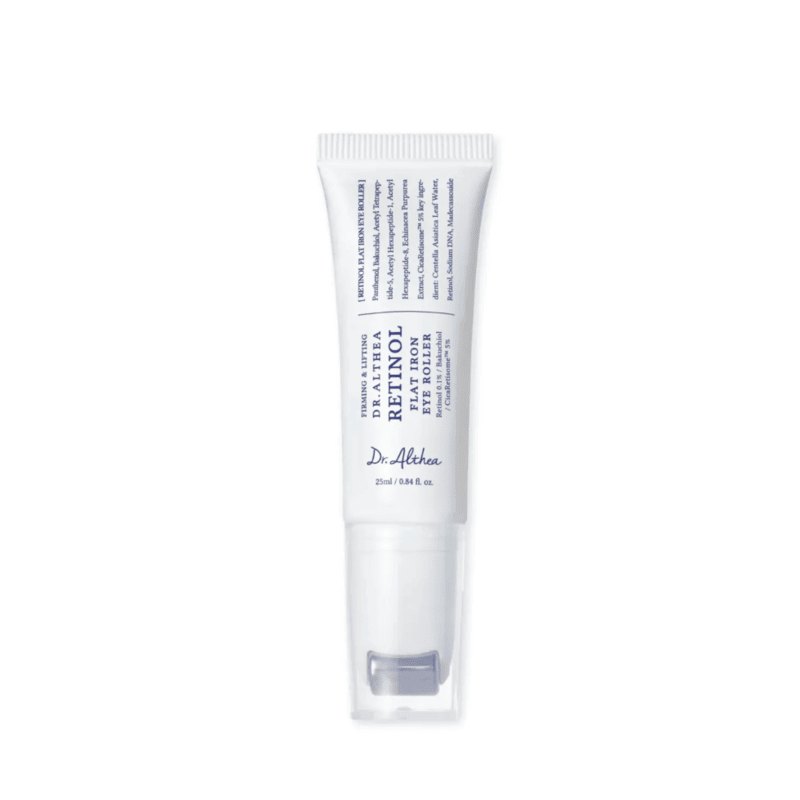
The Dr Althea Retinol Flat Iron Eye Roller brings something to the eye treatment category that very few products offer: a mechanical advantage built into the applicator itself. The flat iron gua sha roller is designed to be used in upward lifting motions along the orbital bone, which improves microcirculation, reduces fluid accumulation that causes puffiness, and enhances the absorption of the serum into the thin under-eye skin simultaneously.
The formula uses 5% Cica Retisome, an encapsulated retinol complex enriched with Centella Asiatica and Madecassoside that delivers retinol’s lifting and elasticity benefits with the lower irritation profile appropriate for under-eye skin. Hyaluronic acid provides lasting hydration alongside the active treatment.
For anyone building retinol in skincare routine steps that include under-eye treatment, the combination of delivery technology and mechanical application makes this one of the most innovative and practical eye serums on this list.
Pros:
- Gua sha roller reduces puffiness and improves serum absorption through circulation enhancement
- 5% Cica Retisome provides retinol benefits with lower irritation risk for under-eye skin
- Centella and Madecassoside soothe and calm while retinol works on lifting and firmness
- Hyaluronic acid delivers long-lasting hydration alongside the active treatment benefits
Cons:
- Serum format may need a follow-up eye cream for those requiring richer under-eye moisturisation
- Roller applicator requires regular cleaning for hygiene with daily use
2. Some By Mi Retinol Intense Advanced Triple Action Eye Cream — Best Comprehensive Eye Cream
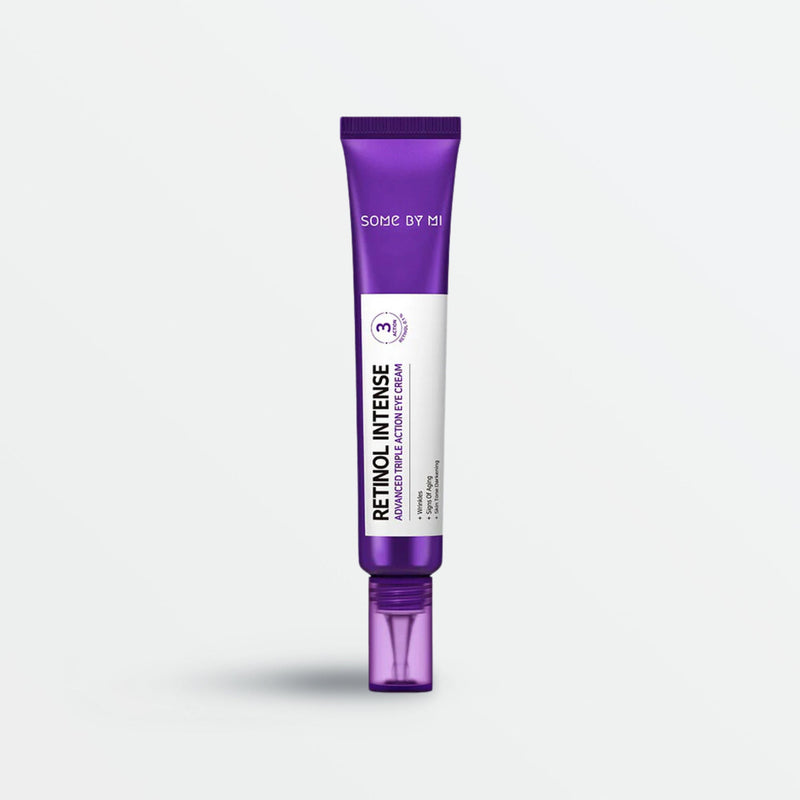
The Some By Mi Retinol Intense Advanced Triple Action Eye Cream addresses the under-eye area from three separate angles in a single product: retinol for collagen stimulation and cell renewal, peptides for additional elastin and collagen signalling, and niacinamide for dark circle reduction and inflammation calming.
For those including retinol in skincare routine steps for the first time and wanting one product that handles all under-eye concerns, this is the most complete formulation available. The eye-specific retinol concentration is calibrated for the delicate orbital skin rather than simply being a reduced version of a facial retinol product, which is the key distinction that makes it effective without causing the sensitivity reactions that face-grade retinol products cause around the eyes.
Pros:
- Triple combination of retinol, peptides, and niacinamide addresses multiple under-eye concerns
- Eye-specific retinol calibration protects the delicate orbital skin from over-stimulation
- Comprehensive formula replaces the need for separate dark circle, firming, and puffiness products
- Consistent nightly use produces progressive improvements in all three under-eye concern areas
Cons:
- Structural retinol results develop over six to eight weeks rather than immediately
- Gradual introduction recommended for those new to retinol in the eye area
3. Celimax Retinol Shot Tightening Serum — Best for Pore Refinement and Firmness
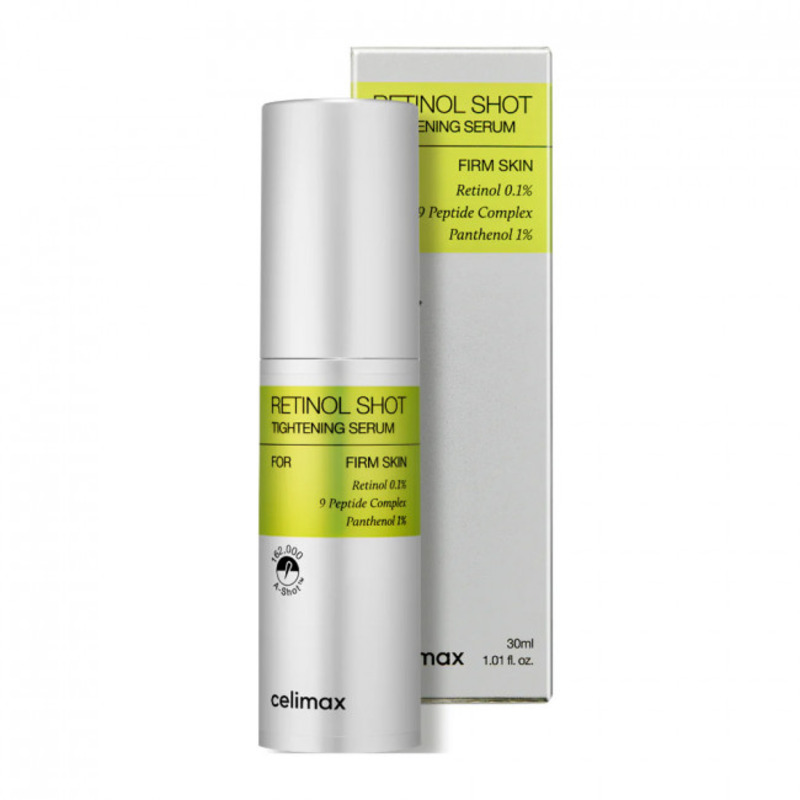
The Celimax Retinol Shot Tightening Serum takes the pore-refining dimension of retinol treatment more seriously than most comparable serums through its A-Shot delivery technology. The 162,000 fine particles in the formula are designed to penetrate directly into pores and deliver the retinol at the follicle level where pore congestion and enlargement originate, rather than working primarily at the skin surface.
Pure retinol at 0.1% rather than a gentler ester ensures the formula delivers direct activity without the additional conversion steps that reduce the efficiency of derivative forms. The 9-peptide complex supports collagen stimulation and barrier strengthening alongside the retinol, making this one of the more structurally complete retinol in skincare routine serums for skin dealing with both ageing and pore concerns simultaneously.
Pros:
- A-Shot technology delivers retinol directly into pores for more targeted pore refinement
- 0.1% pure retinol provides direct activity without additional conversion requirements
- 9-peptide complex supports collagen production alongside the retinol’s renewal activity
- Addresses pore appearance, firmness, and fine lines in a single evening formula
Cons:
- Fine particle technology may cause mild initial tingling for those new to active serums
- More appropriate for those with prior retinol experience than complete beginners
4. Dr Althea 0.1% Gentle Retinol Serum — Best for First-Time Retinol Users
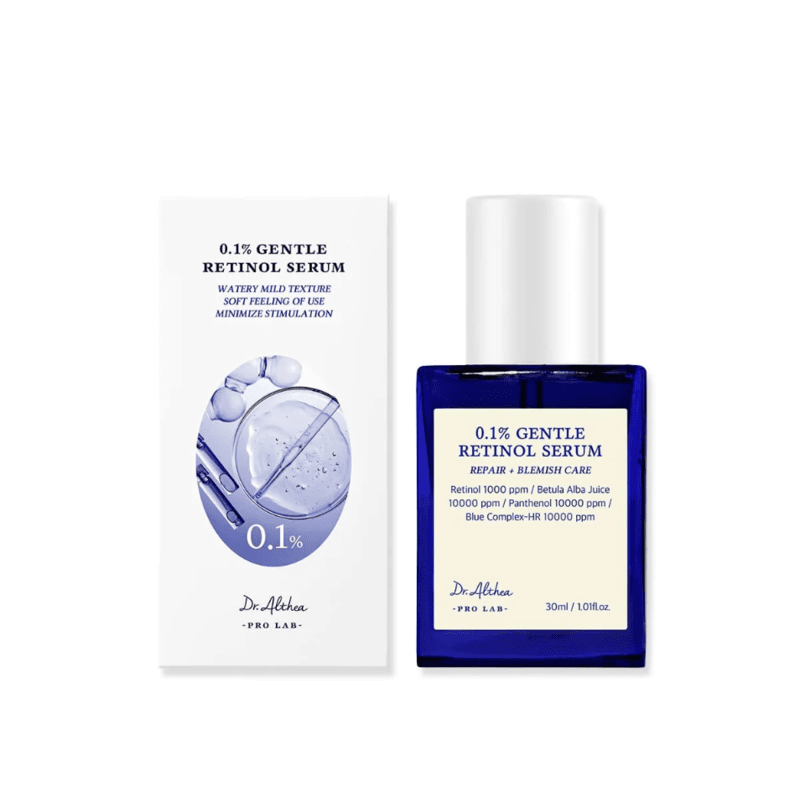
Every discussion of retinol in skincare routine planning for beginners should include the Dr Althea 0.1% Gentle Retinol Serum because it removes the two biggest barriers to successful retinol introduction: irritation and inconsistency.
The bakuchiol pairing with pure retinol creates a formula where the bakuchiol’s plant-derived renewal activity complements the retinol’s cellular mechanism while its anti-inflammatory properties reduce the sensitivity response that causes new retinol users to abandon the ingredient before seeing results. Consistent use is what retinol requires to produce structural change. The Dr Althea formula makes that consistency achievable for skin types that would otherwise struggle with standard retinol products.
Pros:
- Retinol and bakuchiol combination delivers anti-ageing benefits with reduced irritation
- Most beginner-appropriate retinol in skincare routine serum on this list
- Bakuchiol supports consistent nightly use for skin types sensitive to retinol alone
- Addresses fine lines, texture, pore elasticity, and dullness progressively with daily application
Cons:
- Gentler formulation produces more gradual results than higher-concentration retinol alternatives
- Resilient skin may want to progress to a more potent retinol after building tolerance here
5. Palmer’s Skin Therapy Retinol-10 Face Cream — Best All-in-One Retinol Moisturiser
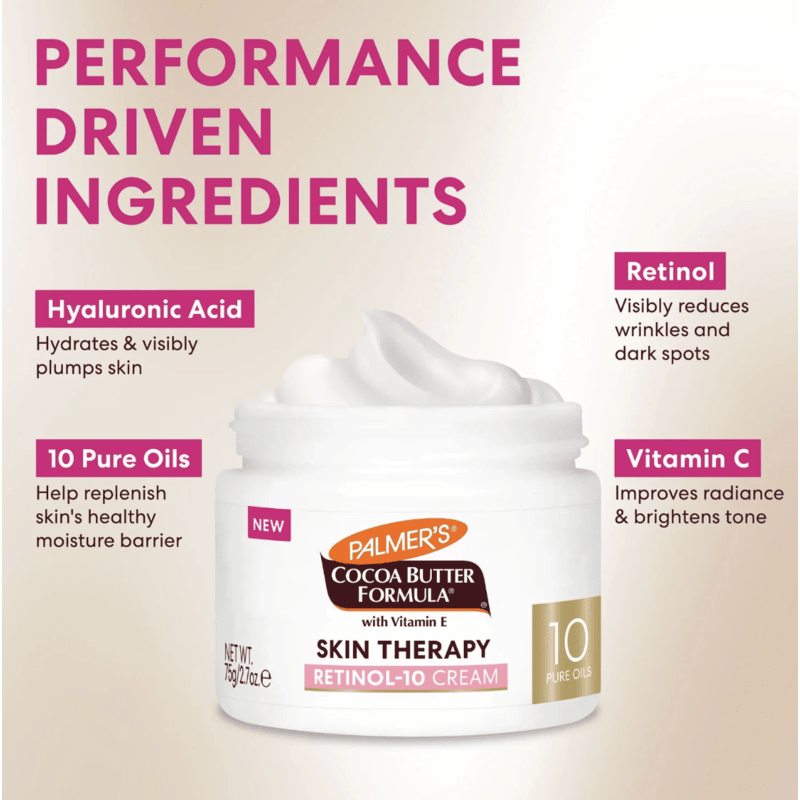
The Palmer’s Skin Therapy Retinol-10 Face Cream is the most ingredient-comprehensive product on this list, pairing retinol with Vitamin C, hyaluronic acid, squalene, and ten botanical oils in a single moisturising step. The Vitamin C and retinol combination is particularly strategic: Vitamin C protects existing collagen from oxidative damage while retinol stimulates the production of new collagen, creating a cycle of protection and regeneration that neither ingredient achieves alone.
For anyone who wants to include retinol in skincare routine steps without managing a complex multi-product sequence, this cream delivers active retinol treatment, antioxidant protection, barrier nourishment, and deep hydration in a single evening application.
Pros:
- Retinol and Vitamin C together protect existing collagen while stimulating new production
- Ten pure oils and squalene nourish the barrier throughout active retinol treatment
- Hyaluronic acid maintains hydration to offset retinol’s potential drying effect
- Single-step evening treatment for those wanting comprehensive care without a complex routine
Cons:
- Rich formula texture is better suited to evening use and to dry or normal skin types
- Combining retinol and Vitamin C in one cream limits the timing flexibility of using them separately
6. Estelin Retinol and Fullerene Age Defying Cream — Best for Antioxidant-Enhanced Retinol Treatment
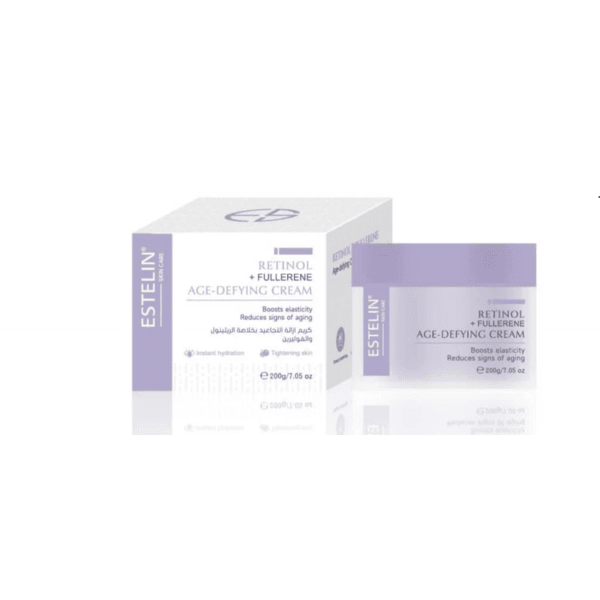
The Estelin Retinol and Fullerene Age Defying Cream pairs retinol with fullerene, a carbon-based antioxidant with free radical neutralising capacity reported to significantly exceed that of Vitamin C. This pairing addresses one of the less-discussed aspects of retinol treatment: the temporary increase in oxidative vulnerability that accelerated cell turnover can produce.
By neutralising free radicals within the formula itself, fullerene provides a protective layer that works alongside the retinol’s regenerative activity rather than relying entirely on the morning SPF to manage oxidative exposure. For skin dealing with significant environmental stress from urban pollution, this antioxidant-enhanced approach to retinol in skincare routine treatment provides more comprehensive protection than standard retinol creams.
Pros:
- Fullerene antioxidant provides exceptional free radical protection during retinol treatment
- Deeply hydrating formula supports skin comfort throughout active retinol renewal
- Combined retinol and antioxidant approach addresses ageing and environmental damage together
- Restores radiance and firms skin through the dual mechanism of retinol and fullerene
Cons:
- Fullerene is less researched than established antioxidants like Vitamin C and Vitamin E
- Rich cream format is more appropriate for dry and normal skin types than oily skin
Building Your Retinol Routine: Evening and Morning Structure
Evening: Cleanse. Apply chosen retinol serum on dry skin. Apply eye cream. Seal with retinol moisturiser.
Morning: SPF without exception. Always. Every morning after any retinol in skincare routine application.
Frequency schedule: Weeks one to four, two to three evenings per week. Weeks five to eight, four to five evenings. Week nine onwards, nightly if tolerated.
All six retinol products in this guide are available at Perona Beauty. Find us at Praise Plaza, 26 Osuntokun Avenue, Opposite House 25, Bodija, Ibadan, and our team will guide you to the right starting point for retinol in skincare routine steps based on your skin type, concern level, and current routine.
Frequently Asked Questions About Retinol In Skincare Routine
How long before retinol in skincare routine produces visible results? Surface texture and skin brightness improvements typically develop within four to six weeks. Fine line reduction and structural firmness improvements develop over eight to twelve weeks. Hyperpigmentation fading from consistent retinol in skincare routine use takes three to six months for established dark spots.
Can I use retinol every night from the beginning? Not recommended. Starting two to three evenings per week and building gradually over eight to twelve weeks gives the skin time to develop tolerance. Nightly use from day one is the most common cause of the irritation that leads to abandonment before results are achieved.
Should I use retinol in the morning or evening? Evening only. Retinol is degraded by UV exposure, loses efficacy when exposed to light, and increases photosensitivity. All six products on this list are designed for retinol in skincare routine use at night specifically.
Is retinol safe during pregnancy or breastfeeding? No. All forms of retinol are contraindicated during pregnancy and breastfeeding. If you are pregnant or breastfeeding, discontinue retinol use and consult your healthcare provider before reintroducing it.