

Most people dealing with tight, rough, flaky, or reactive skin assume they have dry skin and reach for a richer moisturiser. Sometimes that works. Often it does not, and the reason it does not is that the skin is not actually dry. It has a damaged barrier, and those two conditions, while visually similar, require fundamentally different treatment approaches.
The dry skin vs damaged skin barrier distinction matters more than almost any other skincare concept because getting it wrong keeps people stuck in a loop of products that provide temporary relief without resolving the actual problem. This guide tells you exactly how to tell the difference and exactly what to do based on which one you are dealing with.
Why Dry Skin and a Damaged Barrier Are Confused So Often
The dry skin vs damaged skin barrier confusion is understandable because both conditions produce tightness, flaking, and discomfort. But they develop differently, behave differently under skincare treatment, and respond to different solutions.
Dry skin is a skin type. It is a baseline biological characteristic of skin that produces insufficient sebum from the sebaceous glands. It has always been this way. It does not suddenly worsen in response to the same products it has always used. It responds predictably to rich, emollient moisturisers.
A damaged skin barrier is an acquired condition. It develops when something damages the structural integrity of the stratum corneum, the outermost skin layer composed of ceramides and lipids that keeps moisture in and irritants out. It can affect any skin type including oily skin. It often develops as a direct result of skincare routines that are too aggressive, and it produces a different and more complex set of symptoms than dry skin alone.
Understanding dry skin vs damaged skin barrier at this foundational level is what makes the symptom checklist in the next section interpretable.
The Defining Difference: How Each Condition Actually Behaves
In the dry skin vs damaged skin barrier comparison, behaviour under identical conditions is the most reliable diagnostic tool.
Dry skin behaves predictably. It is tight and rough before moisturiser and comfortable after. It does not suddenly react to products it has used for months. It does not become inflamed without obvious cause. It responds well to emollient-rich creams.
Damaged barrier skin behaves unpredictably. Products that previously felt fine now sting or burn. The skin reacts to triggers it never reacted to before. Moisturiser provides less relief than expected. New sensitivities appear. The skin looks shiny in a flat, abnormal way. Redness appears without a clear cause.
This behavioural difference is the heart of the dry skin vs damaged skin barrier distinction. Predictable discomfort that responds to moisturiser is dry skin. Unpredictable reactivity that persists despite moisturiser is a damaged barrier.
What Damages the Skin Barrier
Identifying the cause of the damage is part of resolving the dry skin vs damaged skin barrier situation, because continuing the behaviour that caused the damage prevents the repair from working.
Over-exfoliation is the leading cause. Combining AHAs, BHAs, and retinol in the same routine, or using any single acid product too frequently, depletes the barrier’s ceramide matrix faster than it can regenerate. The initial improvement in skin texture that aggressive exfoliation produces is followed by a plateau and then a worsening as barrier damage accumulates.
Stripping cleansers are the second leading cause. Sulphate-heavy formulas remove the skin’s natural lipids alongside surface impurities, gradually depleting the barrier matrix across weeks of daily use. For someone already dealing with dry skin vs damaged skin barrier concerns, the cleanser choice is the most immediately modifiable risk factor.
UV damage degrades ceramide content directly with each unprotected exposure, making insufficient SPF use a sustained, cumulative barrier-damaging habit that most people do not identify as a cause.
Environmental stress including Nigeria’s harmattan season and year-round urban pollution creates oxidative stress and accelerated TEWL that compounds the barrier depletion of other causes.
10 Signs Your Problem Is a Damaged Barrier, Not Dry Skin
- Products that previously felt fine now sting or burn. This is the single clearest signal in the dry skin vs damaged skin barrier differential.
- Your skin reacts to water during cleansing. Healthy dry skin does not sting when water touches it. A damaged barrier does.
- Moisturiser provides only brief relief before tightness returns. Dry skin responds durably to moisturiser. Damaged barrier skin cannot retain the moisture it receives.
- You have oily skin but suddenly your skin is reactive. Oily skin does not become reactive without barrier damage or a new reactive trigger.
- Redness appears without an obvious cause. Inflammation from barrier permeability can present without any identifiable trigger.
- You recently escalated your exfoliation routine. If symptoms appeared after adding acids or retinoids, over-exfoliation is the most likely cause of what is now a dry skin vs damaged skin barrier case on the damaged side.
- Minor scratches or spots take unusually long to heal. A compromised barrier reduces the skin’s natural repair capacity.
- Your skin looks shiny in a flat, plastic way. The specific shiny appearance of barrier-damaged skin differs visually from the dewy glow of healthy skin.
- You break out in areas that are not usually prone to breakouts. Increased barrier permeability allows bacteria to enter and causes breakouts in atypical locations.
- Harmattan or air conditioning has dramatically worsened your skin. Damaged barrier skin is far more reactive to environmental changes than dry skin because it lacks the resilience to buffer against them.
5 Products That Address Dry Skin and Damaged Skin Barrier
1. Urban Skin RX Even Tone Gentle Gel Cleanser — Best Cleanser for Both Conditions
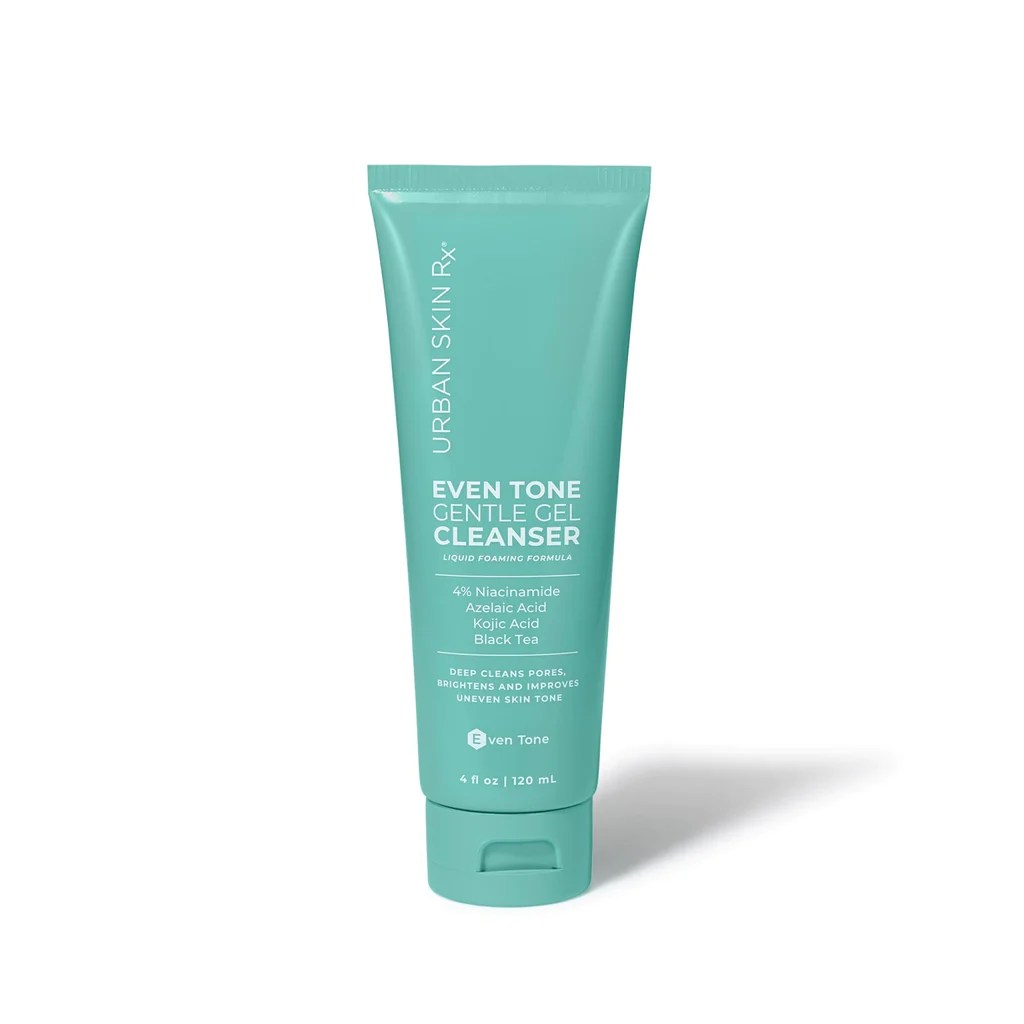
The cleanser is where the dry skin vs damaged skin barrier problem is most commonly made worse rather than better. Stripping cleansers deplete barrier lipids with every wash, turning dry skin into damaged barrier skin and preventing compromised barrier skin from ever recovering fully.
The Urban Skin RX Even Tone Gentle Gel Cleanser provides the gentle, barrier-respecting cleanse that both conditions require. Its formulation removes surface impurities and excess oil without the sulphate aggression that strips the skin’s natural ceramide content. The even-tone function addresses the dullness and pigmentation that accumulate alongside both dry skin and barrier damage over time.
For someone determining their position on the dry skin vs damaged skin barrier spectrum, switching to this cleanser immediately removes the most modifiable daily source of barrier lipid depletion from their routine.
Pros:
- Gentle gel formula cleanses without stripping the ceramide and lipid content of either dry or barrier-damaged skin
- Even-tone benefits address the dullness and uneven pigmentation that accompany both conditions
- Appropriate for all skin types as a twice-daily cleanse without cumulative barrier disruption
- Fragrance-free formulation removes the contact irritant most likely to worsen reactive barrier-compromised skin
Cons:
- Gel texture feels lighter than some very dry skin types prefer from a daily cleanser
- Even-tone results develop progressively with consistent daily use rather than immediately
2. Tonymoly Wonder Ceramide Mochi Ampoule — Best Ceramide Ampoule for Barrier Repair
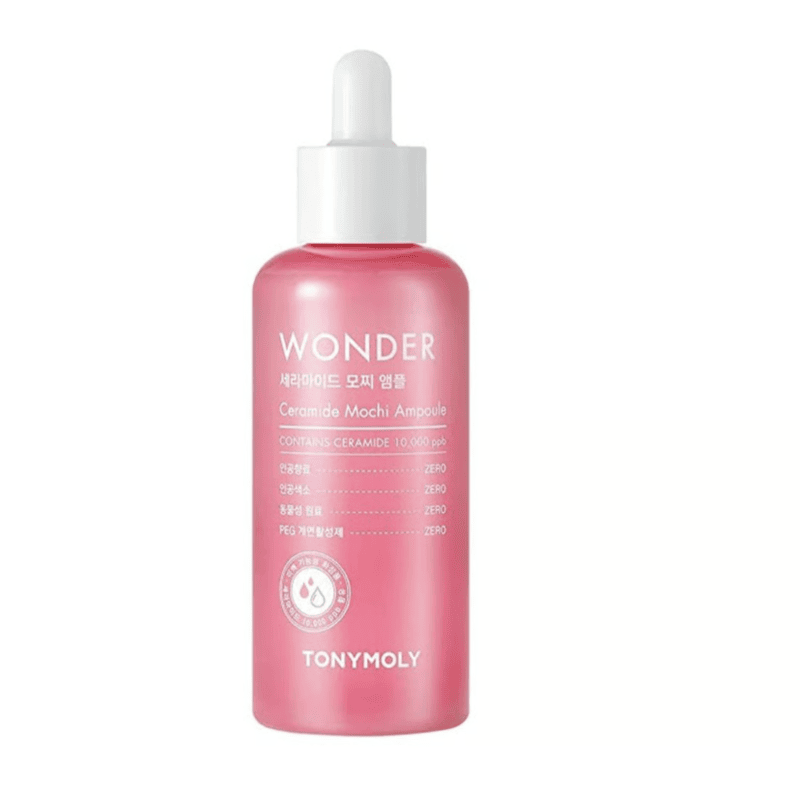
Ceramide delivery is the most structurally direct treatment available for the damaged side of the dry skin vs damaged skin barrier spectrum. The stratum corneum’s lipid matrix is approximately 50 percent ceramides, and when this content is depleted by exfoliation, harsh cleansing, or environmental stress, no amount of surface moisturisation will restore the barrier’s function without ceramide replenishment.
The Tonymoly Wonder Ceramide Mochi Ampoule (100ml) delivers concentrated ceramides in a lightweight format that penetrates efficiently before the barrier cream seals it in. Applied after cleansing as the first active step, it delivers barrier-building lipids directly to the stratum corneum at the point of highest absorption before heavier products create a film on the skin surface.
For the dry skin vs damaged skin barrier distinction, this is the product that most clearly serves the damaged barrier scenario specifically, delivering the structural repair ingredient that neither emollient creams nor hydrating serums alone can provide.
Pros:
- Concentrated ceramide delivery directly addresses the lipid depletion that defines damaged skin barrier
- Lightweight ampoule format absorbs efficiently and suits any skin type including oily barrier-damaged skin
- 100ml size supports consistent daily use through a full four to eight week barrier recovery period
- Replenishes moisture and improves roughness and dehydration for dry skin and damaged barrier alike
Cons:
- Works most effectively when layered under a ceramide-containing barrier cream rather than as a standalone product
- Does not contain additional actives for redness or pigmentation beyond ceramide barrier support
3. Anua Azelaic Acid 10% Plus Hyaluronic Acid Redness Soothing Serum — Best Active Serum for Compromised Skin
The redness and blemishes that appear with a damaged barrier require an active ingredient that addresses inflammation without adding exfoliation stress to already compromised skin. In the dry skin vs damaged skin barrier treatment hierarchy, this is where product selection becomes the most nuanced.
Azelaic acid at 10% is one of the few actives that is anti-inflammatory rather than exfoliating, making it specifically appropriate for barrier-damaged skin. It reduces the redness from barrier permeability, addresses blemishes produced by increased bacterial penetration, and fades the post-inflammatory marks left by both. Hyaluronic acid delivers lightweight humectant hydration that both conditions need without adding any exfoliation, comedogenic risk, or inflammatory ingredients.
For someone in the recovery phase of the dry skin vs damaged skin barrier damaged side, this serum provides active treatment without continuing the exfoliation burden that caused the damage.
Pros:
- Azelaic acid’s anti-inflammatory mechanism addresses damaged barrier redness without additional exfoliation stress
- Hyaluronic acid delivers lightweight hydration appropriate for both dry skin and barrier recovery
- Reduces post-inflammatory marks and blemishes from barrier permeability alongside redness reduction
- Soothing formula specifically designed for sensitive and compromised skin
Cons:
- Initial mild tingling during the first week of use is common in sensitised or reactive skin
- Should be introduced after initial barrier stabilisation rather than during the acute reactive phase
4. Anua 3 Ceramide Panthenol Moisture Barrier Cream — Best Daily Moisturiser for Both Conditions
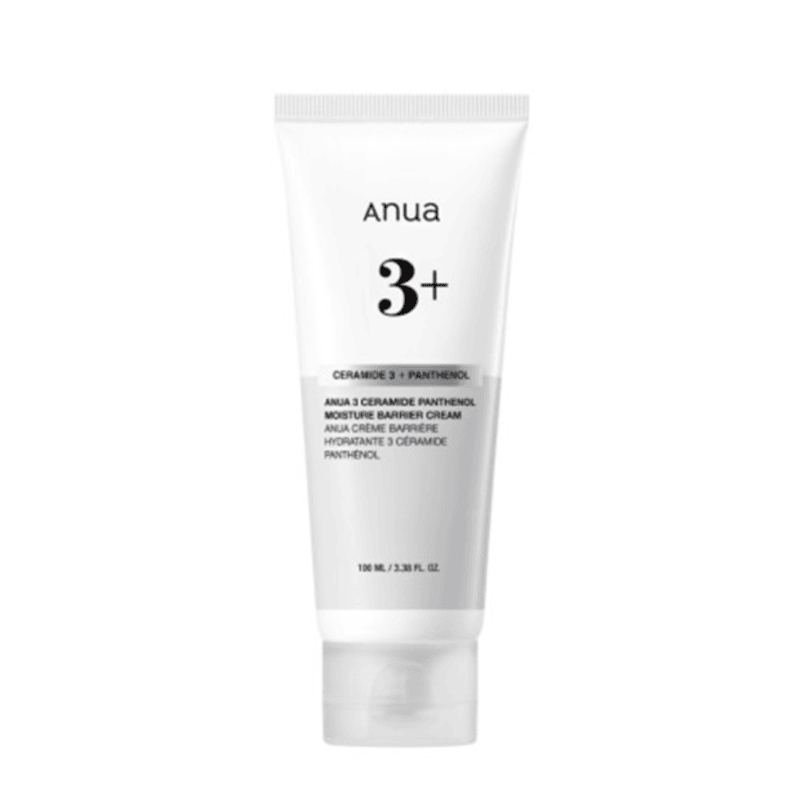
The Anua 3 Ceramide Panthenol Moisture Barrier Cream is the most versatile product on this list for the dry skin vs damaged skin barrier spectrum because it simultaneously addresses the emollient needs of dry skin and the ceramide reconstruction needs of damaged barrier skin.
Three ceramide types rebuild the lipid matrix for damaged barrier skin, addressing the structural cause of moisture loss rather than simply hydrating the surface above the damage. Panthenol accelerates the barrier cell repair process and provides lasting hydration that dry skin needs as a substitute for the natural sebum it does not produce adequately. Both mechanisms are active in the same product, making this cream appropriate regardless of where on the dry skin vs damaged skin barrier spectrum the skin currently sits.
The non-greasy finish is the practical detail that makes this cream realistic for consistent use in Nigeria’s climate, where heavier barrier creams feel uncomfortable and get skipped, preventing the consistent application that barrier repair requires.
Pros:
- Three ceramides rebuild barrier structure for damaged skin barrier while panthenol provides dry skin hydration
- Addresses both conditions in a single moisturiser without requiring different products for each scenario
- Non-greasy finish supports consistent twice-daily use in Nigeria’s warm and humid climate
- Soothes irritation and protects against the dryness and sensitivity of both conditions
Cons:
- May feel lighter than severely dry skin types prefer as a sole nighttime treatment during extreme harmattan dryness
- Works most effectively when layered over the Tonymoly Ceramide Ampoule for damaged barrier skin
5. Dr. Althea 147 Barrier Cream — Best Comprehensive Barrier Treatment Cream
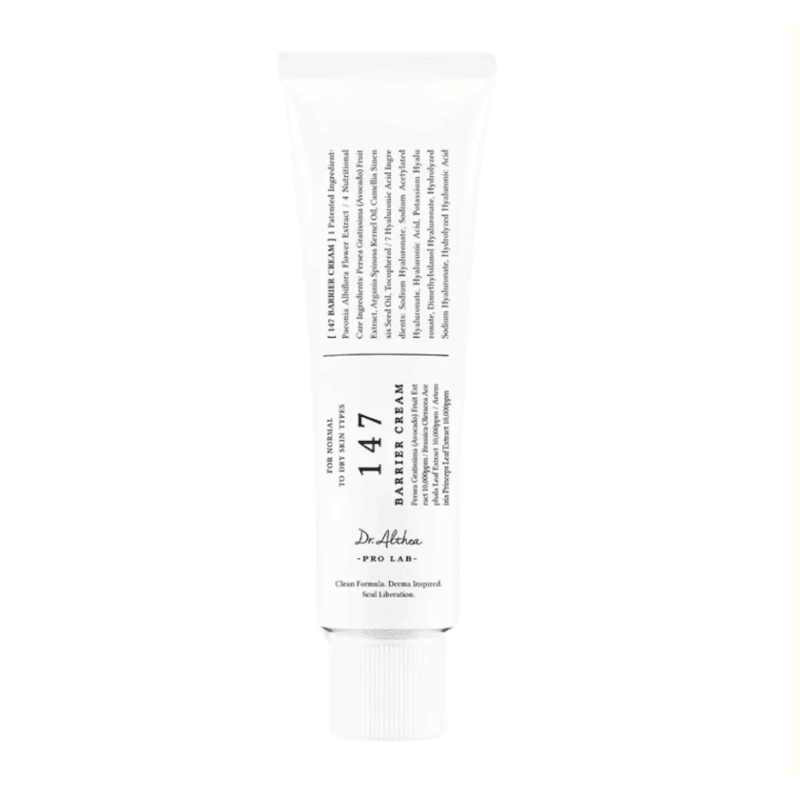
The Dr. Althea 147 Barrier Cream is the most complete single barrier treatment product available for the dry skin vs damaged skin barrier context because its ingredient list addresses every dimension of the problem: ceramides for structural lipid replenishment, seven types of hyaluronic acid for hydration at multiple skin depths, azulene and botanical extracts for inflammation reduction, ectoin for environmental stress protection, and niacinamide for ceramide synthesis support and tone correction.
Seven HA molecular weights is the most relevant formulation distinction for the dry skin vs damaged skin barrier problem specifically, because the multi-depth hydration it provides addresses both the surface dryness of dry skin and the deep structural dehydration of damaged barrier skin that results from TEWL. High molecular weight HA forms a hydrating surface film. Lower molecular weights reach the deeper epidermal layers where structural hydration matters most.
Ectoin is particularly relevant for Nigerian skin and climate because it forms a water shell around skin cells that provides stability against the environmental stressors, heat, low harmattan humidity, and urban pollution, that accelerate both dry skin discomfort and barrier depletion.
Pros:
- Seven HA types address hydration at every skin depth for both dry skin and damaged barrier simultaneously
- Ceramides and niacinamide provide structural barrier repair and sustained ceramide production support
- Azulene and botanical extracts reduce the redness and inflammation of damaged skin barrier
- Ectoin provides climate-specific environmental stress protection for Nigerian skin conditions
Cons:
- Premium comprehensive formulation reflects its advanced ingredient profile and positions it at a higher price point
- 50ml size requires regular repurchasing for twice-daily use through a full barrier recovery period
Building the Right Routine Based on Your Diagnosis
For dry skin without barrier damage: Use Urban Skin RX Cleanser, apply Anua Azelaic Acid serum if pigmentation is a concern, moisturise with Anua 3 Ceramide Barrier Cream or Dr. Althea 147 Barrier Cream, apply SPF every morning.
For damaged skin barrier: Pause all exfoliating actives immediately. Simplify to Urban Skin RX Cleanser, Tonymoly Ceramide Ampoule, and Anua 3 Ceramide Barrier Cream or Dr. Althea 147 Barrier Cream only. After two to four weeks of stabilisation, add Anua Azelaic Acid serum for redness and pigmentation. Do not reintroduce AHAs, BHAs, or retinoids until reactivity has fully resolved.
All five products in this guide are available at Perona Beauty. Find us at Praise Plaza, 26 Osuntokun Avenue, Opposite House 25, Bodija, Ibadan, and our team will help you identify your position on the dry skin vs damaged skin barrier spectrum and build the right routine for it.
Knowing the Difference Changes What You Do Next
The entire value of the dry skin vs damaged skin barrier distinction is practical. If you have dry skin, you need emollient and occlusive support to compensate for insufficient sebum production. If you have a damaged barrier, you need ceramide reconstruction, a simplified routine, and a pause on exfoliating actives until structural repair is complete.
Applying the dry skin solution to a damaged barrier produces temporary comfort without healing. Applying the barrier repair solution to dry skin produces both barrier strengthening and the emollient support dry skin needs.
Frequently Asked Questions About Dry Skin vs Damaged Skin Barrier
Can a damaged skin barrier heal on its own without products?
Mildly in a healthy environment, yes. The skin has natural repair mechanisms that can partially restore a mildly damaged barrier over time. But in Nigeria’s climate, with continued environmental stress, insufficient internal hydration, and typical daily skincare, a damaged barrier rarely fully heals without targeted ceramide replenishment and the elimination of the behaviour that caused the damage.
How long does barrier repair take with the right products?
Mild dry skin vs damaged skin barrier cases involving surface reactivity and mild dryness typically see significant improvement within two to four weeks of a simplified ceramide-focused routine. Moderate damage takes four to eight weeks. Severe or chronic barrier compromise from prolonged over-exfoliation or long-term harsh product use can take three to six months of consistent simplified routines before actives can be safely reintroduced.
Should I stop using niacinamide if my barrier is damaged?
No. Niacinamide is one of the few actives appropriate during barrier repair because it strengthens ceramide production and reduces inflammation rather than exfoliating. In the dry skin vs damaged skin barrier damaged scenario, niacinamide within a barrier cream like the Dr. Althea 147 or CeraVe formulations is actively supportive rather than disruptive.
Can I tell the difference between dry skin and damaged barrier from a photo of my skin?
Not reliably. The dry skin vs damaged skin barrier distinction is primarily behavioural rather than visual. Both conditions can look similar in photographs. The key indicators are how the skin responds to products and environments rather than how it looks in a single image. If you are unsure which condition applies, err toward the barrier-repair protocol, as it is appropriate for both and causes no harm to dry skin without barrier damage.