
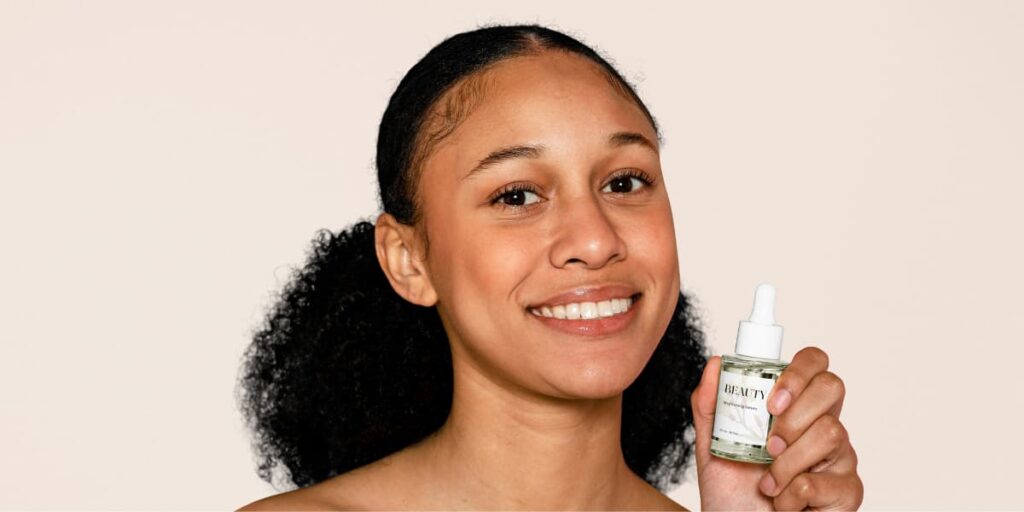
There is a reason lactic acid skincare products have become the exfoliant of choice for people who have experienced the harsh side of glycolic acid. Lactic acid delivers the surface renewal, brightening, and texture improvement that AHA exfoliants are known for, but does so with a larger molecular size that keeps it at the skin surface rather than penetrating as deeply as smaller acids. The result is effective exfoliation that sensitive, dry, and melanin-rich skin types can actually sustain consistently, which is ultimately the only thing that determines whether an exfoliant produces results.
This guide explains what lactic acid skincare products do, who they suit, and the five best formulations available in 2026 across every format and skin type.
What Makes Lactic Acid Different From Other Exfoliating Acids
Lactic acid skincare products occupy a specific and valuable position in the exfoliant category that is worth understanding before selecting a formula.
Lactic acid is an AHA derived naturally from milk fermentation. Like glycolic acid, it works by dissolving the intercellular bonds between dead skin cells, accelerating their shedding and revealing fresher skin beneath. Unlike glycolic acid, its larger molecular size means it cannot penetrate as deeply into the skin, which produces two practical advantages. First, the exfoliation is more surface-focused, which reduces the risk of over-stimulating the skin’s deeper layers. Second, lactic acid has inherent humectant properties that glycolic acid does not, meaning it draws water to the skin as it exfoliates rather than leaving the surface drier after treatment.
This combination of effective surface exfoliation and simultaneous hydration is what makes lactic acid skincare products the most broadly suitable AHA category for Nigerian skin in particular, where the risk of post-inflammatory hyperpigmentation from irritating exfoliants is a genuine concern and where finding an acid that produces results without aggravating melanin-rich skin is a consistent challenge.
Who Benefits Most From Lactic Acid Skincare Products
Lactic acid skincare products serve a wider range of skin types than most AHA exfoliants because of their gentler mechanism and hydrating properties. Dry skin benefits from the hydration alongside exfoliation. Sensitive skin benefits from the surface-level, less penetrating action that reduces irritation risk. Melanin-rich skin benefits from effective dead cell shedding that addresses pigmentation without the inflammatory triggers that more aggressive acids produce. Oily and congested skin benefits from the pore-clearing and texture-refining effects of consistent exfoliation.
The only skin types that may find lactic acid skincare products insufficient are those with very resilient, non-sensitive skin dealing with deep structural concerns that require more penetrating acids. For those skin types, glycolic acid or a combined AHA formula like the Advanced Clinicals body cream may provide more comprehensive results.
7 Skin Concerns That Lactic Acid Skincare Products Address
- Surface dullness from dead cell accumulation that scatters light unevenly and prevents the skin from reflecting it luminously.
- Rough skin texture on both the face and body from dry, uneven cell buildup that makes the surface feel bumpy or unrefined.
- Post-inflammatory hyperpigmentation from breakouts or other inflammation that leaves dark marks visible on the surface.
- Keratosis pilaris on the body, where dead cells block follicle openings on the arms and thighs, causing the rough bumpy texture that lotion alone cannot adequately address.
- Uneven skin tone from accumulated sun damage and dead cell buildup that makes the complexion appear blotchy or inconsistently pigmented.
- Dehydrated surface skin where the dead cell layer is preventing moisture from reaching the living cells beneath, which lactic acid skincare products address through simultaneous exfoliation and humectant hydration.
- Poor product absorption where a buildup of dead cells is preventing serums and treatments from reaching their target layers in the skin.
5 Best Lactic Acid Skincare Products of 2026
1. The Ordinary Lactic Acid 10% Plus HA 2% — Best Established Formula for Visible Results
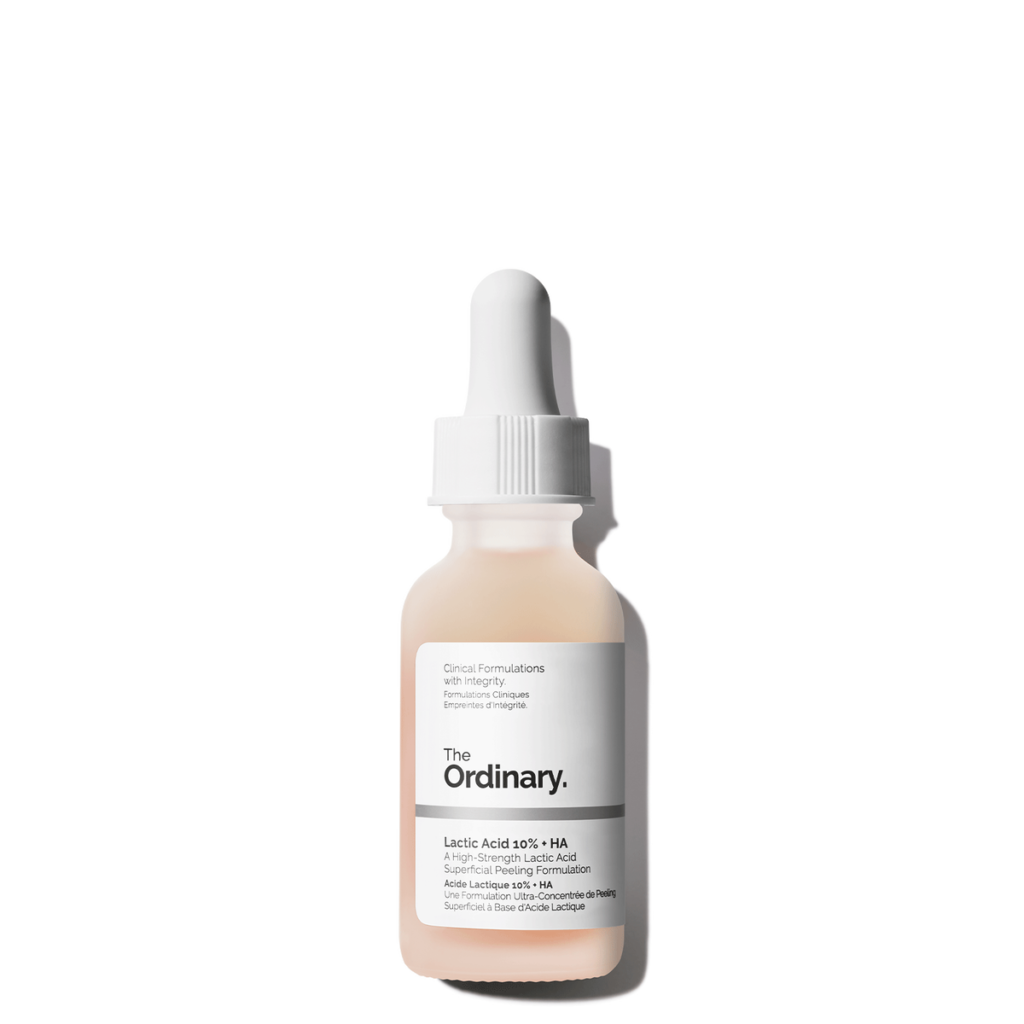
Few lactic acid skincare products have the track record of The Ordinary Lactic Acid 10% Plus HA 2%. It is one of the most consistently recommended exfoliating serums across multiple years precisely because its formula delivers what it promises: visible improvement in skin texture, brightness, and the appearance of dark marks through a well-calibrated 10% lactic acid formulation supported by 2% hyaluronic acid.
The pH calibration is what distinguishes effective lactic acid skincare products from ineffective ones. A lactic acid product at the wrong pH is not exfoliating, regardless of the concentration on the label. The Ordinary’s formula is calibrated at the pH range where lactic acid functions as an active exfoliant, ensuring the 10% concentration is genuinely working on the skin rather than sitting inertly in a formula that looks impressive but delivers nothing.
The hyaluronic acid is a substantive inclusion. At 2%, it provides enough humectant activity to meaningfully counteract the dryness that AHA exfoliation produces, making this one of the more comfortable lactic acid skincare products to use consistently on skin that is dry between exfoliation sessions.
Pros:
- 10% lactic acid at correct pH delivers proven, visible exfoliation and skin tone improvement
- 2% hyaluronic acid actively counteracts exfoliation dryness with humectant hydration
- Consistent global track record for visible results with two to three times weekly use
- Accessible pricing makes consistent long-term use of quality lactic acid skincare products realistic
Cons:
- Requires gradual introduction for those new to AHA exfoliation due to 10% concentration
- Daily SPF the morning after every application is non-negotiable due to increased photosensitivity
2. Revox B77 Just Lactic Acid Plus HA — Best for Gentle Daily Renewal
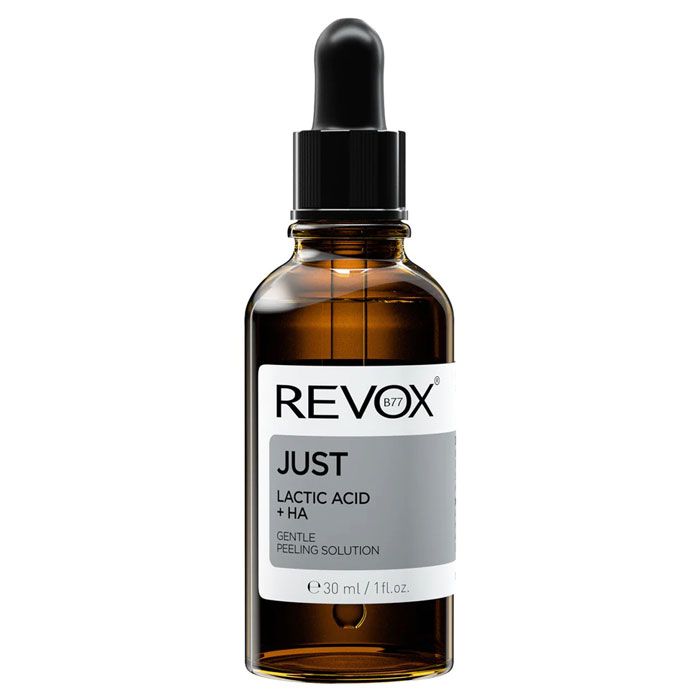
The Revox B77 Just Lactic Acid Plus HA makes its case as a lactic acid skincare product for the skin types most often left behind by stronger exfoliants: sensitive, dry, and easily reactive skin that genuinely needs exfoliation but consistently experiences discomfort, redness, or dryness when using most AHA products.
By pairing its lactic acid formula with hyaluronic acid and keeping the formulation within the gentle end of the exfoliation spectrum, it creates a product that sensitive and dry skin types can use consistently without the reactivity cycles that typically disrupt exfoliation routines. Consistency is what produces results from lactic acid skincare products, and a formula that can be used regularly without triggering a recovery period will always outperform a stronger formula used sporadically because of discomfort.
For skin dealing with persistent dullness and rough texture that has been unable to sustain a regular exfoliation routine due to sensitivity, this is the most appropriate entry point into lactic acid skincare products available.
Pros:
- Gentle lactic acid and hyaluronic acid formula supports consistent use on sensitive and dry skin
- Renews dull skin and refines texture without the barrier disruption of stronger AHAs
- Hyaluronic acid maintains hydration throughout the exfoliation process for greater daily tolerability
- Most appropriate first lactic acid skincare product for those with a history of acid sensitivity
Cons:
- Gentler formulation produces more gradual visible results than 10% concentration alternatives
- Less effective for stubborn hyperpigmentation that requires more intensive exfoliation to shift
3. Face Facts Glow and Resurface Lactic Acid Serum — Best Accessible Brightening Lactic Acid Serum
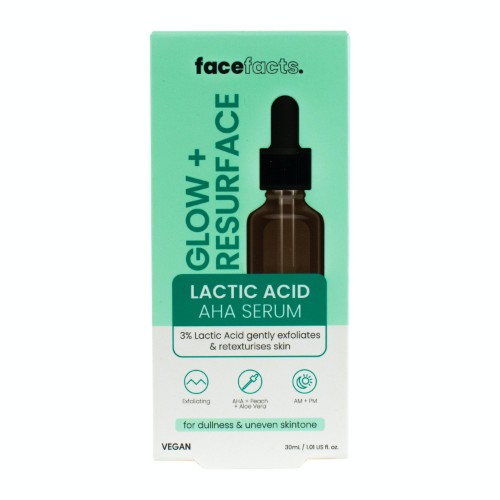
The Face Facts Glow and Resurface Lactic Acid Serum (30ml) takes a brightening-first approach to lactic acid skincare products, formulating around the goal of clearer, more luminous skin alongside the surface renewal that lactic acid delivers. Botanical extracts provide nourishing support that reduces the bare-acid feeling some exfoliating serums produce, making this one of the more pleasant-to-use lactic acid skincare products in its price range.
Its 30ml size is deliberately practical for someone building their first relationship with lactic acid exfoliation. A smaller format means lower financial commitment, manageable trial periods, and the ability to assess how the skin responds before committing to a full-size product. For anyone new to lactic acid skincare products who wants to experience what consistent acid exfoliation does for their skin without overinvesting upfront, this is one of the most sensible starting points.
Pros:
- Brightening-focused lactic acid formula addresses dullness and uneven tone progressively
- Botanical extract inclusion provides skin-supportive nourishment alongside the exfoliation activity
- 30ml size offers a practical, lower-commitment introduction to lactic acid skincare products
- Accessible price point makes consistent use of a genuine exfoliating product sustainable
Cons:
- 30ml size requires frequent repurchasing once incorporated into a consistent routine
- Results develop gradually and are most visible after four to six weeks of consistent twice-weekly use
4. Advanced Clinicals 10% Glycolic Plus Lactic Acid Exfoliating Cream — Best Body Lactic Acid Skincare Product
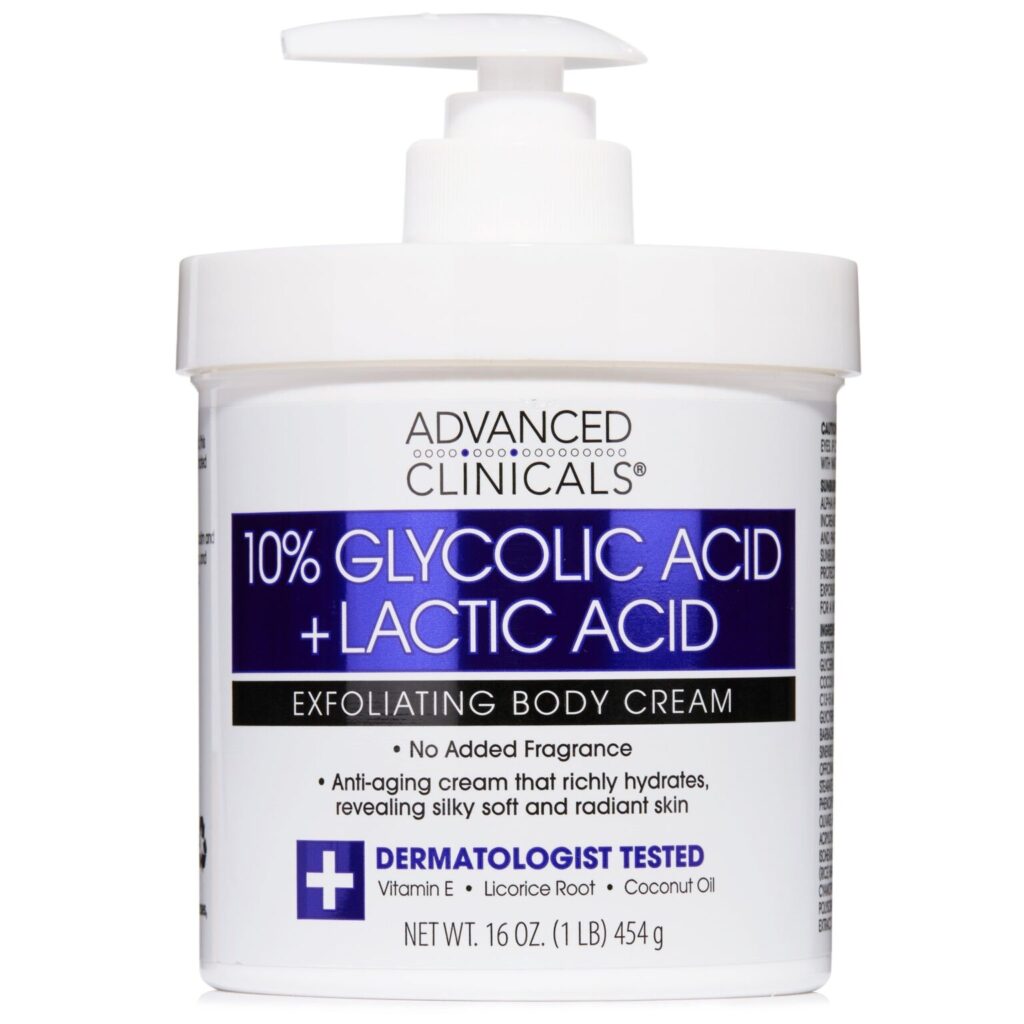
The conversation around lactic acid skincare products almost always stops at the jawline. The Advanced Clinicals 10% Glycolic Plus Lactic Acid Exfoliating Cream (454g) refuses that limitation and delivers one of the most comprehensively formulated body exfoliant products available in 2026.
The dual AHA approach, combining glycolic acid’s deeper penetration with lactic acid’s gentler surface action, produces exfoliation at two skin depths simultaneously rather than working at only one level. This is particularly effective for body concerns like keratosis pilaris, where the follicle blockage that causes rough bumpy texture on the arms and thighs requires more comprehensive acid contact than surface-only exfoliation provides. Licorice root extract adds targeted brightening for dark knees, dark elbows, and body hyperpigmentation. The supporting cast of hyaluronic acid, squalane, aloe vera, and vitamin E ensures that the exfoliation does not create the dry, uncomfortable body skin that many people experience after applying acid products to the body without adequate hydration support.
The 454g size reflects the practical reality of exfoliating large body surface areas consistently.
Pros:
- Dual glycolic and lactic acid formula exfoliates at two depths for comprehensive body skin improvement
- 454g size supports full-body consistent use without running out after a few applications
- Licorice root, hyaluronic acid, squalane, and aloe provide brightening and sustained hydration
- Fragrance-free, suitable for sensitive body skin and effective for keratosis pilaris and body hyperpigmentation
Cons:
- AHA combination increases UV sensitivity on exposed body areas, making SPF application important
- Combined acid strength requires gradual introduction for those new to lactic acid skincare products on the body
5. 25PSKYN Mandelactone — Best Alternative Lactic Acid Skincare Product for Acne-Prone Skin
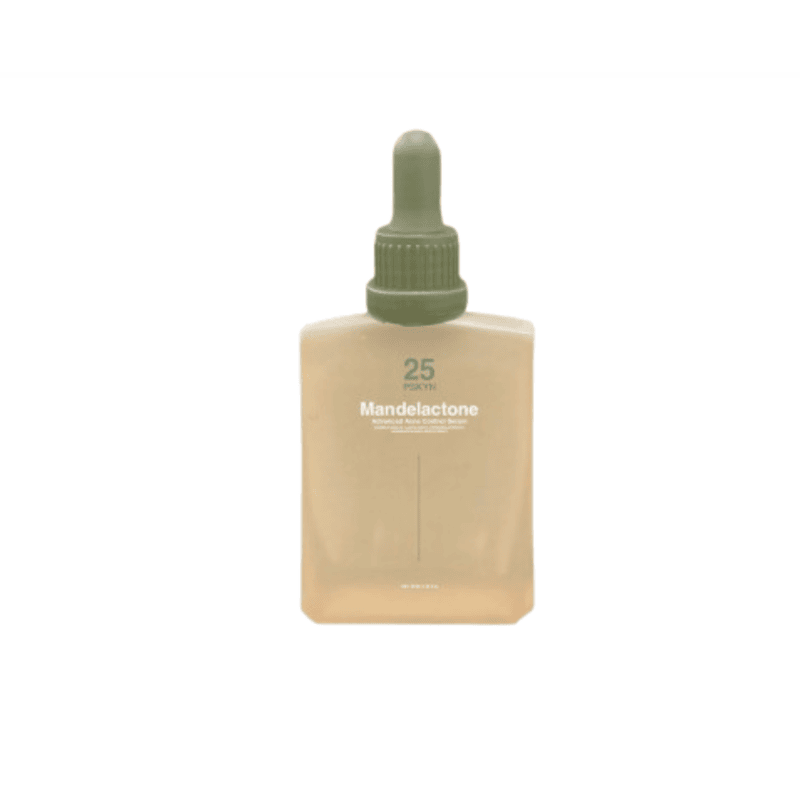
The 25PSKYN Mandelactone occupies the most specialist position among the lactic acid skincare products on this list. Where the other four products are built around lactic acid as the primary exfoliating active, the Mandelactone pairs mandelic acid, which has an even larger molecular size than lactic acid, with lactone to create a resurfacing formula that is gentler than any standard lactic acid product while still producing meaningful surface renewal, congestion clearing, and tone improvement.
This makes it the most appropriate recommendation for skin that has found even gentler lactic acid skincare products too sensitising, or for acne-prone skin where the risk of an AHA-triggered inflammatory response is a genuine barrier to consistent exfoliation. Mandelic acid’s larger molecular size sits above the skin surface longer, providing thorough exfoliation without the penetration depth that triggers reactivity in the most sensitive skin types. For melanin-rich, acne-prone skin that needs exfoliation without the hyperpigmentation risk that inflammation from stronger acids carries, this formula delivers the most appropriate balance available.
Pros:
- Mandelic acid and lactone deliver resurfacing benefits with the lowest irritation profile of any product on this list
- Specifically suitable for acne-prone and sensitive skin that reacts to standard lactic acid skincare products
- Large molecular size reduces hyperpigmentation risk from inflammatory responses in darker skin tones
- Targets congestion, dullness, and uneven tone while remaining appropriate for reactive skin types
Cons:
- Most gradual results timeline of the lactic acid skincare products on this list due to gentler mechanism
- Premium price point compared to more accessible lactic acid skincare product alternatives
Getting the Most From Lactic Acid Skincare Products in Your Routine
Apply lactic acid skincare products in the evening on clean, dry skin before moisturiser. Start with twice-weekly applications and build to three or four times per week as the skin demonstrates tolerance. Do not apply on the same evening as retinol, which combined with lactic acid’s exfoliation creates a compounded stimulation that most barriers cannot comfortably sustain.
The morning after every lactic acid skincare product application requires SPF without exception. AHA exfoliation removes the protective surface cell layer, significantly increasing photosensitivity and the risk of UV-triggered pigmentation that can reverse the brightening work the acid is doing.
All five lactic acid skincare products in this guide are available at Perona Beauty. Find us at Praise Plaza, 26 Osuntokun Avenue, Opposite House 25, Bodija, Ibadan, and our team will help you identify the right formula for your skin type and build the correct introduction schedule around it.
The Right Lactic Acid Product Changes What Your Skin Is Capable Of
Lactic acid skincare products are not a trend ingredient. They are one of the most well-understood, broadly applicable, and consistently effective exfoliating tools available in 2026, and the five products on this list represent the best of what the category offers across every skin type and concern level.
The Ordinary for proven, accessible surface exfoliation. Revox B77 for sensitive and dry skin that needs a sustainable approach. Face Facts for brightening-focused beginners. Advanced Clinicals for the body concerns that facial lactic acid skincare products leave unaddressed. 25PSKYN Mandelactone for skin too reactive for standard acid exfoliation. Choose the formula that fits your skin, introduce it at the right frequency, protect it with SPF, and give it the weeks it needs to show you what consistent exfoliation with the right lactic acid skincare product can do.
Frequently Asked Questions About Lactic Acid Skincare Products
How do lactic acid skincare products compare to retinol for skin improvement?
They address different mechanisms. Lactic acid skincare products exfoliate the skin surface, accelerating cell shedding and improving brightness. Retinol stimulates collagen production and cell turnover at a deeper level. The two are most effective when used together in a well-structured routine, lactic acid in the evening two to three times per week and retinol on alternate evenings, rather than as substitutes for each other.
Can I use lactic acid skincare products if I have active breakouts?
Avoid applying lactic acid skincare products directly over active, inflamed spots to prevent spreading bacteria and increasing inflammation. Apply around active spots and allow the exfoliant to treat the surrounding skin. Once active breakouts have cleared, consistent use of lactic acid skincare products reduces the dead cell accumulation that contributes to future congestion.
What is the correct amount of lactic acid skincare product to apply?
A few drops for the full face is sufficient. Over-application does not increase exfoliation efficacy but does increase the risk of irritation, barrier disruption, and the photosensitivity that makes skin vulnerable to UV-triggered pigmentation. Less product used consistently produces better results than more product used sporadically with lactic acid skincare products.
Do I need to wait between applying a lactic acid skincare product and my moisturiser?
Allow 60 to 90 seconds of absorption before applying moisturiser after lactic acid skincare products. This gives the acid adequate contact time with the skin surface to begin its exfoliating activity before the moisturiser above it changes the local pH environment.