
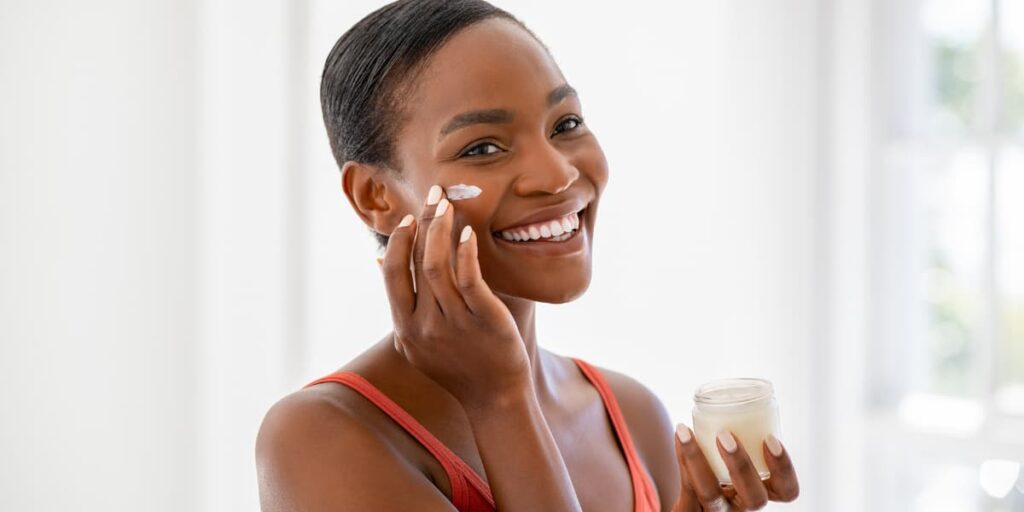
Ask most people what they use to plump their skin and the answer will be hyaluronic acid. Which is a reasonable answer, but also an incomplete one. The category of skin-plumping ingredients extends well beyond the few names that dominate skincare marketing, and some of the most effective hydrating and volumising compounds in formulation science are also the least discussed in consumer skincare spaces.
This guide introduces seven skin-plumping ingredients that are either overlooked, underestimated, or simply not talked about as often as they deserve to be. Each one has genuine scientific support for its hydrating and plumping mechanisms, and each is paired with a product that formulates around it intelligently.
The Problem With Relying on One Skin-Plumping Ingredient
Hyaluronic acid is effective. There is no argument with that. But plump, genuinely healthy-looking skin does not result from one ingredient working alone. Skin plumpness depends on three biological realities happening simultaneously: water being drawn into the skin cells through humectant activity, that water being retained rather than evaporating through a functional moisture barrier, and the structural compounds that give skin its physical density being adequately supported.
Most people are addressing one of these three requirements with their skin-plumping ingredients while the other two go unaddressed. Adding a wider range of skin-plumping ingredients that cover all three dimensions produces the kind of visible, lasting skin quality that a single hero ingredient cannot deliver on its own.
7 Overlooked Skin-Plumping Ingredients Worth Adding to Your Routine
1. COSRX Advanced Snail 96 Mucin Power Essence — Best Snail Mucin Essence for Multi-Mechanism Skin Plumping
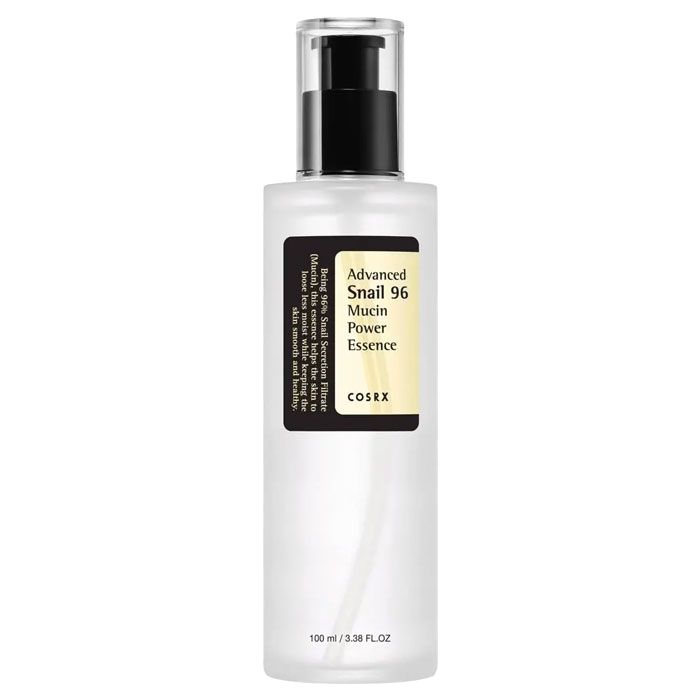
At 96% snail secretion filtrate, the COSRX Advanced Snail 96 Mucin Power Essence is one of the most concentrated single-ingredient plumping formulas available and one of the few products that addresses skin plumping at three biological levels simultaneously. It hydrates through naturally occurring hyaluronic acid and glycoproteins. It stimulates collagen precursors and peptides that support the structural proteins responsible for skin firmness. And it repairs the moisture barrier through allantoin’s cell proliferation activity, improving the skin’s capacity to hold the moisture that the hydrating compounds deliver.
This three-level approach is what distinguishes snail mucin plumping from the one-dimensional plumping that basic hyaluronic acid serums produce. Hyaluronic acid fills the skin with water. Snail mucin fills it with water, rebuilds the structure that keeps it plump, and repairs the barrier that prevents it from evaporating. The result is a more complete, more lasting visible plumpness that develops progressively with consistent use and reflects genuine improvement in skin hydration capacity rather than just a temporary surface effect.
The lightweight texture and fast absorption rate make it the most practically comfortable of the plumping ingredients on this list for daily use in Nigeria’s warm climate.
Pros:
- 96% snail mucin addresses plumping through hydration, collagen support, and barrier repair simultaneously
- Three-mechanism approach produces more comprehensive and lasting plumping than single-mechanism alternatives
- Lightweight, fast-absorbing texture is comfortable and practical for daily use in warm and humid conditions
- Boosts skin elasticity and glow alongside visible plumping for a more comprehensively improved complexion
Cons:
- Progressive collagen-related plumping benefits develop over weeks rather than appearing after a single use
- Popularity in Nigeria makes product authenticity an important consideration when sourcing
2. Glycerin — The Most Underestimated Skin-Plumping Ingredient
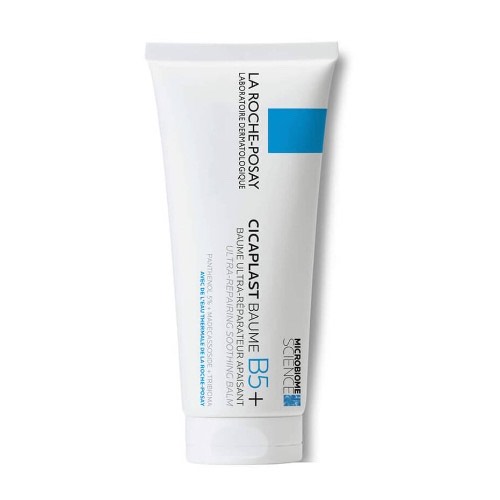
Glycerin’s familiarity works against it. Because it appears in so many products at varying concentrations and is so rarely highlighted as a featured active, most people treat it as a background ingredient rather than recognising it as one of the most effective skin-plumping ingredients available. Glycerin’s water-holding capacity is exceptional, drawing moisture from both the ambient environment and the deeper layers of the skin to maintain surface hydration under a wide range of conditions.
The La Roche-Posay Cicaplast Baume B5+ uses glycerin within a formula that adds Vitamin B5, madecassoside, shea butter, and zinc to create a repairing balm that addresses dry, irritated, and barrier-compromised skin comprehensively. The glycerin draws water in. The shea butter and panthenol seal it there. The madecassoside calms the inflammation that compromises the barrier. This is skin-plumping ingredients working in a properly constructed team, where each compound covers a function the others do not.
Pros:
- Glycerin provides exceptional humectant water-drawing capacity as a core skin-plumping ingredient
- Vitamin B5, shea butter, and madecassoside seal hydration and repair the barrier alongside glycerin
- Non-oily, lanolin-free formula is comfortable on reactive and sensitised skin types
- Suitable for babies, children, and adults across every skin type and concern level
Cons:
- Balm texture is richer than lightweight serums and may feel too heavy in very warm weather
- Best used as a targeted repairing treatment rather than a standard daily lightweight moisturiser
3. Beta-Glucan — The Anti-Inflammatory Skin-Plumping Ingredient
Beta-glucan is one of the skin-plumping ingredients with the widest gap between how good its research profile is and how rarely it is discussed in skincare content. A polysaccharide from oats, grains, and yeast, it functions as a humectant with water-holding capacity comparable to hyaluronic acid while adding wound-healing, anti-inflammatory, and immune-supportive properties that hyaluronic acid does not provide.
This makes beta-glucan one of the most valuable skin-plumping ingredients for skin where inflammation and dehydration coexist, a combination extremely common in sensitive and reactive skin types that struggle to maintain moisture alongside managing their reactivity.
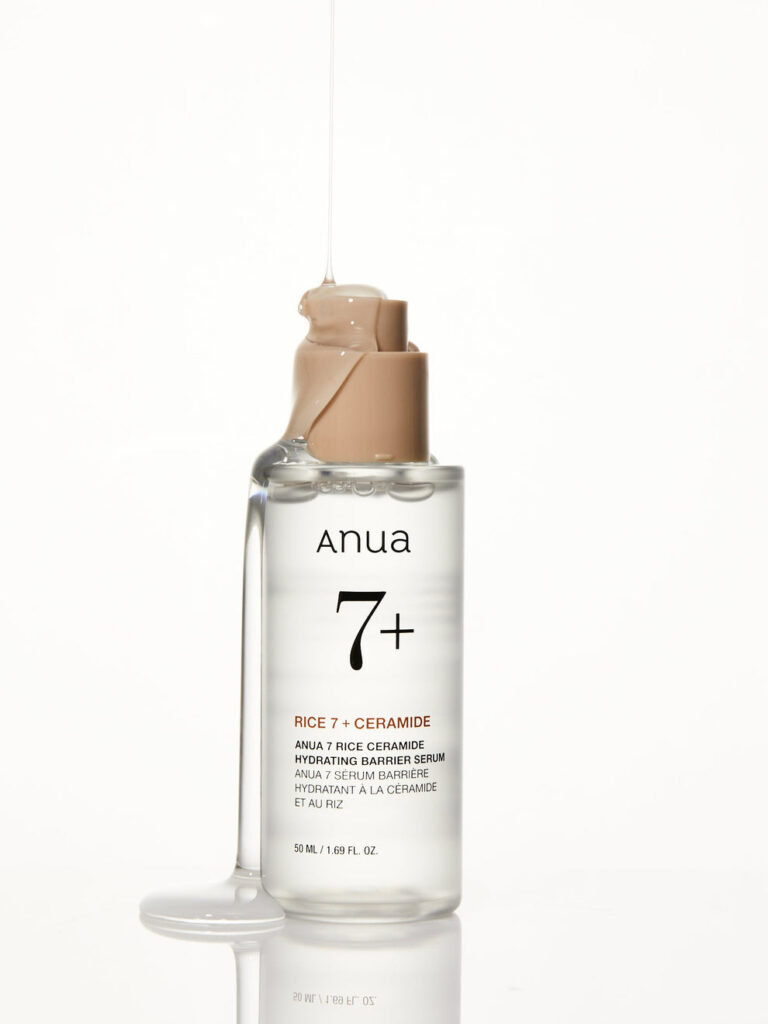
The Anua Rice 7 Ceramide Hydrating Barrier Serum combines beta-glucan with 73% rice extract and seven ceramide types for a serum that repairs the barrier, delivers deep plumping hydration, and improves overall skin resilience. The ceramide complex is the architectural foundation of barrier repair, while rice extract contributes amino acids, antioxidants, and supporting ceramide content. Beta-glucan throughout the formula provides both hydration and the anti-inflammatory calm that allows the barrier to repair without interference from ongoing inflammatory stress.
Pros:
- Beta-glucan delivers humectant hydration alongside anti-inflammatory and healing properties
- 73% rice extract and seven ceramide types address barrier repair and long-term hydration retention
- Lightweight serum absorbs efficiently for consistent daily use without heaviness
- Addresses barrier compromise and dehydration simultaneously in a single product step
Cons:
- Beta-glucan’s low consumer profile means its contribution is often invisible to people reading the label
- Most effective as part of a layered routine rather than a single-product skin plumping solution
4. Bolden Brightening Toner — Best Toner for Sodium PCA-Powered Skin Plumping
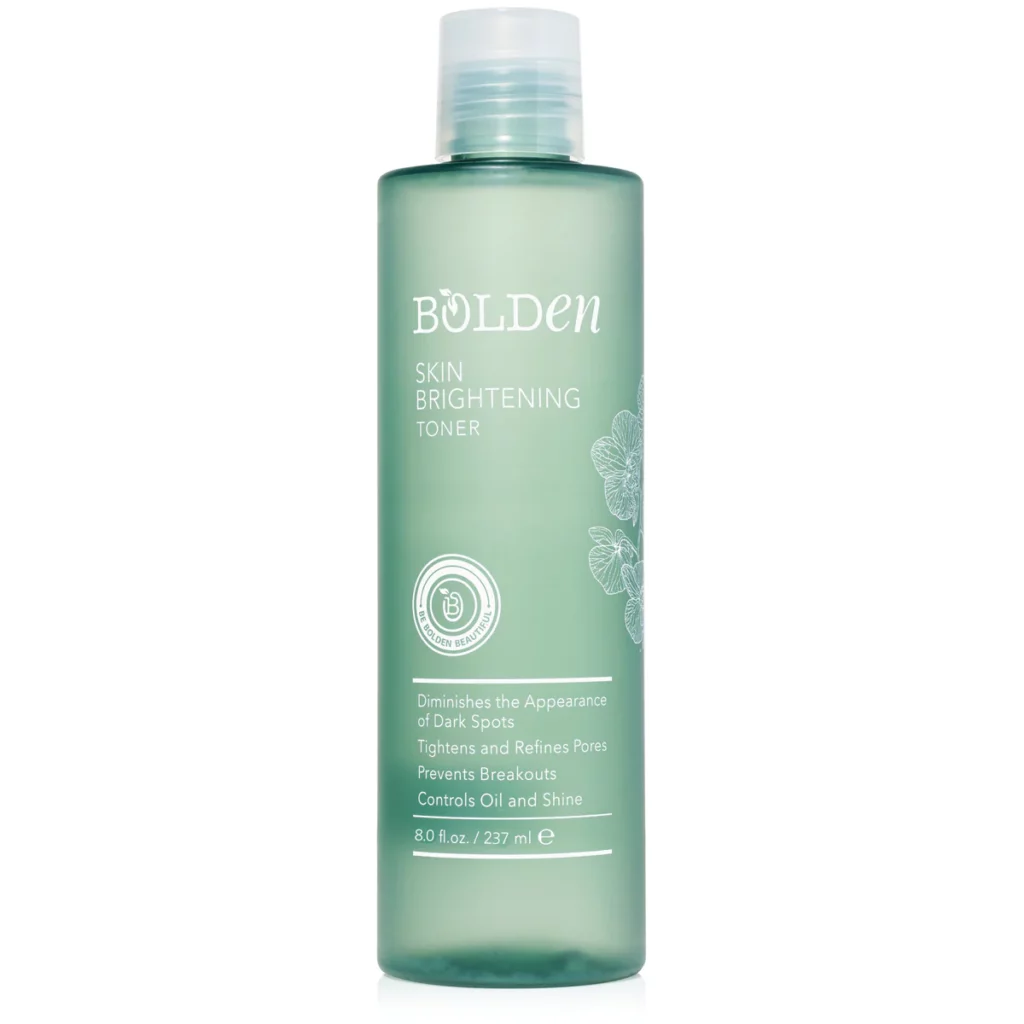
Most toners contribute surface hydration. The Bolden Brightening Toner contributes something more structurally meaningful: Sodium PCA, a humectant that is naturally part of the skin’s own moisture-retaining system. Unlike ingredients that sit on the skin surface, Sodium PCA integrates with the skin’s natural moisturising factor, drawing water into the skin cells themselves and producing the kind of plumping that reflects genuine cellular hydration rather than a cosmetic surface effect.
The visible result is skin that looks fuller, more supple, and more bouncy from the inside out rather than simply more moist on the surface. Alongside this core plumping function, the toner actively fades dark spots, evens overall skin tone, refines pore appearance, and improves skin texture, making it one of the more multi-tasking first steps available in a plumping-focused routine. For anyone whose skin looks flat and uneven despite consistent moisturising, the Sodium PCA-driven cellular hydration of this toner addresses the water content deficit that surface moisturisers do not adequately reach.
Pros:
- Sodium PCA integrates with the skin’s natural moisturising factor for deep, genuine cellular plumping
- Evens skin tone and fades dark spots alongside its primary hydration and plumping function
- Refines pore appearance and improves skin texture for a smoother surface alongside visible plumpness
- Consistent daily use produces firmer, more supple skin as cellular hydration levels improve
Cons:
- Brightening and tone correction benefits develop gradually and require patient consistent use over weeks
- Best results come when used as the first active step in a layered routine rather than alone
5. Panthenol — The Repairing Skin-Plumping Ingredient
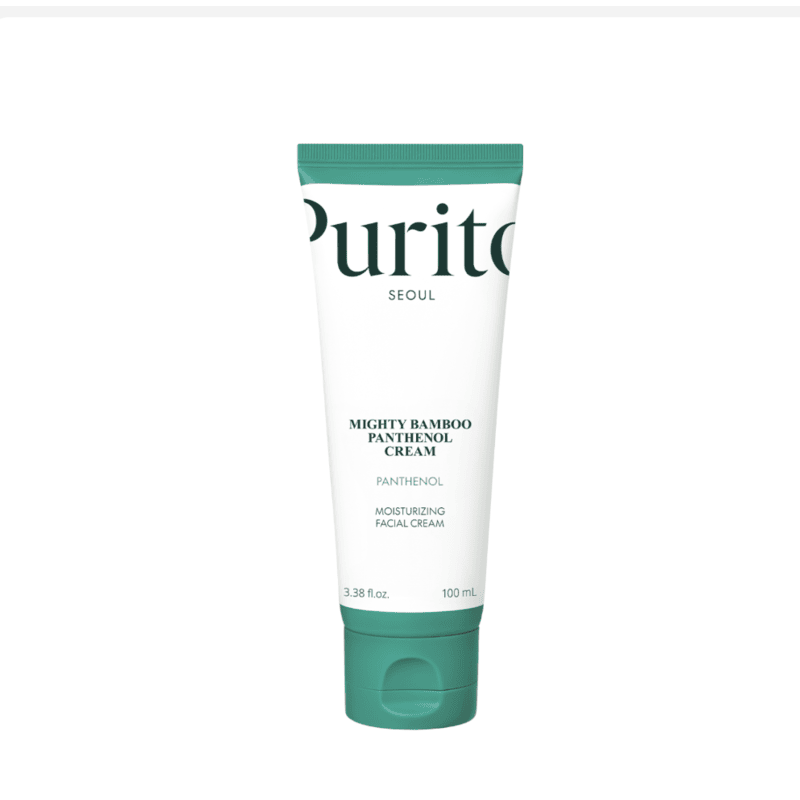
Panthenol appears in many formulas as a supporting ingredient but rarely gets the recognition it deserves as a primary skin-plumping ingredient in its own right. Its humectant function draws water to the skin. Its barrier-repairing function accelerates the recovery of the stratum corneum’s structural integrity. Its anti-inflammatory function reduces the irritation that compromised skin consistently experiences.
This simultaneous triple activity is what makes panthenol one of the most strategic skin-plumping ingredients for skin dealing with sensitivity alongside dehydration. Most hydrating actives require a relatively calm, intact barrier to perform well. Panthenol is one of the few skin-plumping ingredients that can improve the barrier at the same time as it delivers hydration, making it self-enabling in a way that most other humectants are not.
The Purito Mighty Bamboo Panthenol Cream formulates around panthenol and bamboo extract to produce a barrier-repair moisturiser that hydrates, soothes, and strengthens skin simultaneously. For sensitive, irritated, or barrier-compromised skin that needs plumping hydration without the risk of further irritation, this is one of the most intelligently designed products on the list.
Pros:
- Panthenol functions as humectant, barrier repairer, and anti-inflammatory skin-plumping ingredient simultaneously
- Bamboo extract provides additional soothing and resilience-building support alongside the panthenol
- Exceptional tolerability makes it appropriate for the most sensitive skin types
- Restores comfort, barrier strength, and surface smoothness with consistent daily use
Cons:
- Gentle mechanism produces gradual plumping improvement rather than dramatic immediate visible change
- More suited to sensitive and barrier-compromised skin than to resilient skin seeking intensive anti-ageing
6. Ectoin — The Climate-Resilient Skin-Plumping Ingredient
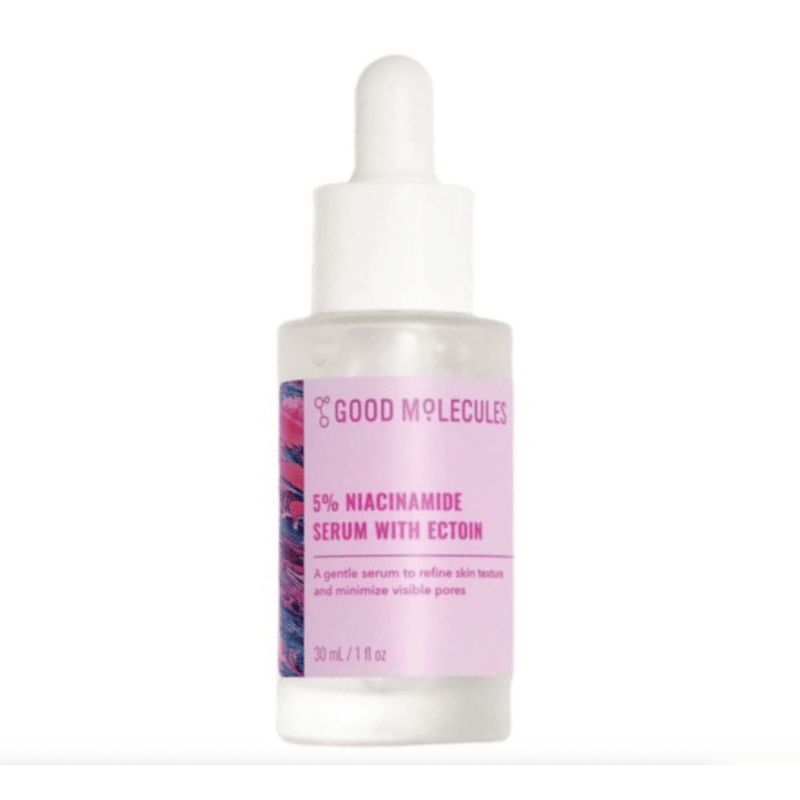
Not every skincare ingredient needs to be loud to be effective. Ectoin is one of those quieter ingredients that deserves more attention, particularly when the goal is keeping the skin hydrated, comfortable, and resilient.
Found in the Good Molecules 5% Niacinamide Serum with Ectoin, Ectoin works alongside niacinamide to support healthier-looking skin from multiple angles. Ectoin is known for its ability to help protect skin structures from environmental stress while supporting moisture retention. Niacinamide, meanwhile, helps tackle some of the concerns many people deal with daily — including uneven-looking skin tone, enlarged pores, redness, and blemishes.
Together, they make this serum a particularly useful option for anyone who wants more than just a single-target treatment. The lightweight formula supports the skin barrier while helping the complexion look smoother, calmer, and more balanced. It also provides hydration without leaving behind a heavy or greasy finish.
Pros:
- Ectoin helps support hydration and the skin’s natural moisture barrier
- 5% niacinamide addresses multiple visible concerns, including pores, redness, blemishes, and uneven tone
- Lightweight texture makes it easy to incorporate into a daily routine
- Supports smoother, calmer, healthier-looking skin
- A good option for those looking for barrier support alongside targeted skincare benefits
Cons:
- The formula is designed for gradual, consistent improvement rather than overnight results
- Those specifically looking for a high-strength niacinamide serum may want a higher concentration
7. Polyglutamic Acid — The Skin-Plumping Ingredient That Makes Hyaluronic Acid Work Better
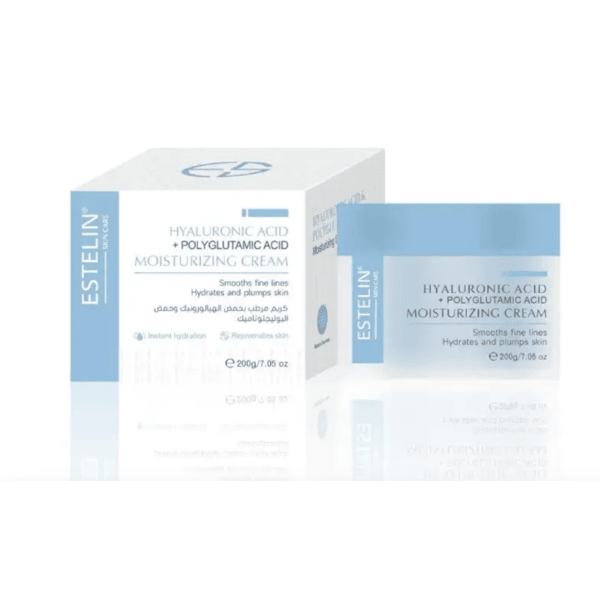
Polyglutamic acid occupies a unique position among skin-plumping ingredients because it does not simply add to hyaluronic acid’s function. It actively extends it. PGA inhibits hyaluronidase, the enzyme that breaks down the skin’s naturally occurring hyaluronic acid, which means applying PGA topically preserves the skin’s own HA content alongside introducing its superior water-binding capacity. This enzyme-inhibiting property gives PGA a compounding effect on overall skin hydration that few other skin-plumping ingredients match.
At comparable concentrations, PGA’s water-holding capacity is reported to be approximately four times that of hyaluronic acid, making it one of the most efficient humectant skin-plumping ingredients available. The Estelin Hyaluronic Acid and Polyglutamic Acid Moisturizing Cream combines PGA with hyaluronic acid and glycerin in a lightweight, non-greasy formula that creates the most comprehensive humectant stack of any product on this list. Three complementary skin-plumping ingredients addressing water-binding through different mechanisms ensure that the formula performs effectively across a wide range of ambient humidity conditions, including the low humidity of harmattan season.
Pros:
- Polyglutamic acid delivers four times the water-binding capacity of hyaluronic acid at comparable concentrations
- Inhibits hyaluronidase to preserve the skin’s own natural hyaluronic acid content
- Combined with hyaluronic acid and glycerin for three-mechanism comprehensive humectant coverage
- Lightweight, non-greasy formula delivers intensive plumping hydration suitable for all skin types
Cons:
- PGA has a shorter published research timeline than established skin-plumping ingredients like hyaluronic acid
- Fast-absorbing lightweight formula may feel insufficient as a final occlusive step for very dry skin
Building a Routine Around Skin-Plumping Ingredients
Apply humectant serums containing sodium PCA, ectoin, or polyglutamic acid first on slightly damp skin for maximum water-drawing activity. Follow with barrier-supporting creams containing urea, panthenol, or ceramide-rich formulas that seal in the hydration the humectants have drawn. Always apply SPF in the morning to protect the barrier from the UV damage that progressively depletes every skin-plumping ingredient you have invested in maintaining.
All seven products in this guide are available at Perona Beauty. Visit us at Praise Plaza, 26 Osuntokun Avenue, Opposite House 25, Bodija, Ibadan, and our team will guide you to the right skin-plumping ingredients combination for your skin type and concerns.
More Than One Ingredient Is How You Get More Than One Result
The most visible difference between skin that genuinely glows with health and skin that is simply moisturised is almost always the gap between a routine built around one skin-plumping ingredient and one built around several working together. Urea for keratolytic moisture. Glycerin for reliable surface hydration. Beta-glucan for inflammation-calming plumping. Sodium PCA for biological NMF replacement. Panthenol for barrier-repairing hydration. Ectoin for stress-protective cellular stability. Polyglutamic acid for superior water-binding capacity.
These seven skin-plumping ingredients each address a different aspect of what plump, healthy, genuinely hydrated skin requires. The products on this list are the best available vehicles for each one. Choose the ingredients your skin needs most, build a layered routine around them, and discover what consistent use of the right skin-plumping ingredients can do when given the time and consistency they deserve.
Frequently Asked Questions About Skin-Plumping Ingredients
Do skin-plumping ingredients actually work or is it just marketing?
The skin-plumping ingredients on this list all have documented mechanisms supported by published research. Humectants like sodium PCA and polyglutamic acid demonstrably bind water. Urea demonstrably softens keratin. Panthenol demonstrably repairs the barrier. These are not theoretical benefits. They are biochemical processes that occur predictably when these compounds contact the skin. Whether a specific product delivers them effectively depends on concentration and formulation quality.
Which skin-plumping ingredient is best for ageing skin?
Ectoin for stress-protective cellular hydration. Sodium PCA for NMF replenishment. Polyglutamic acid for maximum water-binding capacity. These three skin-plumping ingredients address the specific hydration challenges of ageing skin, which has a declining NMF, reduced cellular water content, and increased vulnerability to environmental moisture loss.
Can I use multiple skin-plumping ingredients in the same routine?
Yes, and it is recommended. The most effective skin-plumping ingredients routines combine humectants that draw water in with barrier ingredients that seal it there. Using a sodium PCA or PGA serum followed by a panthenol or urea cream covers both the humectant and barrier dimensions that single-ingredient approaches miss. Layering complementary skin-plumping ingredients produces better results than doubling up on one.
Are skin-plumping ingredients safe for acne-prone skin?
Most of the skin-plumping ingredients on this list are non-comedogenic and appropriate for acne-prone skin. Urea, sodium PCA, ectoin, panthenol, and polyglutamic acid are all suitable for oily and congested skin types. The balm format of the La Roche-Posay Cicaplast product is richer and better suited to dry or non-acne-prone skin, but the ingredient itself, glycerin, is safe for all skin types.